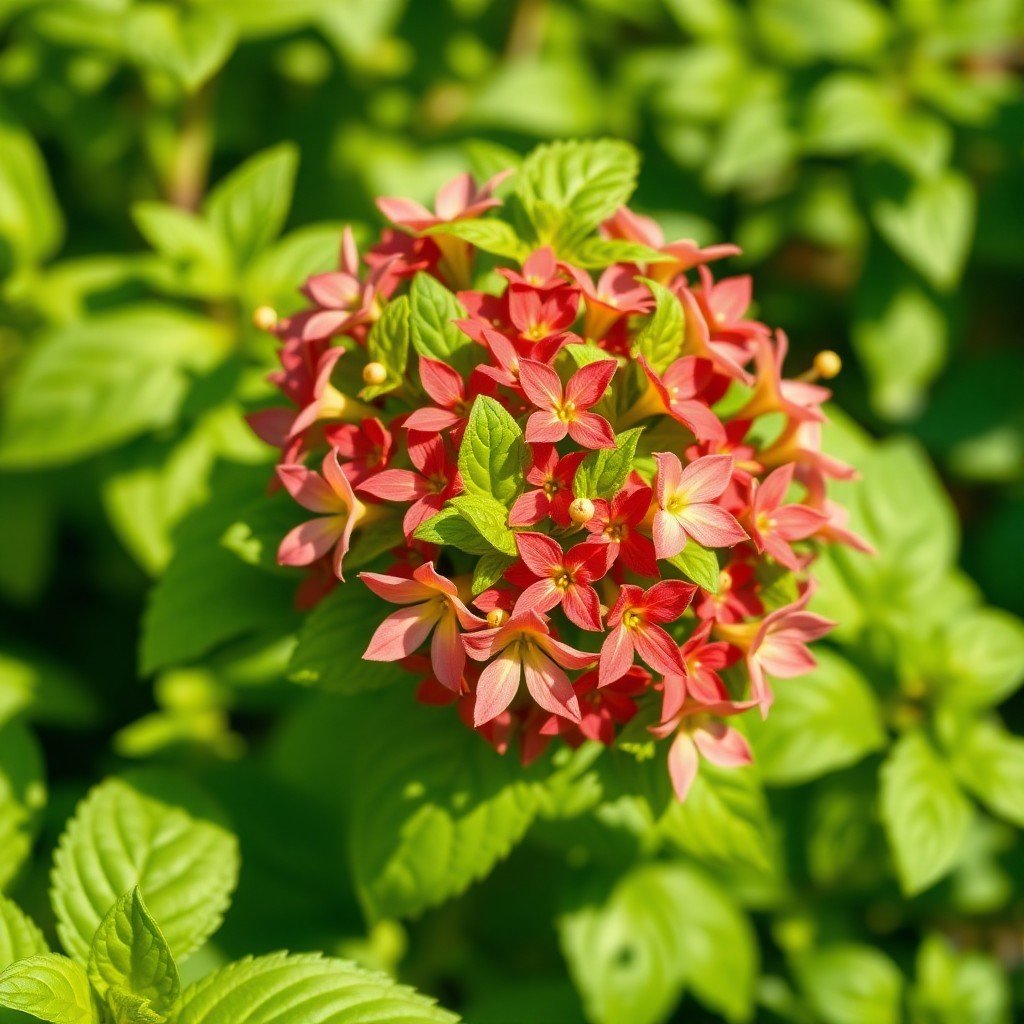
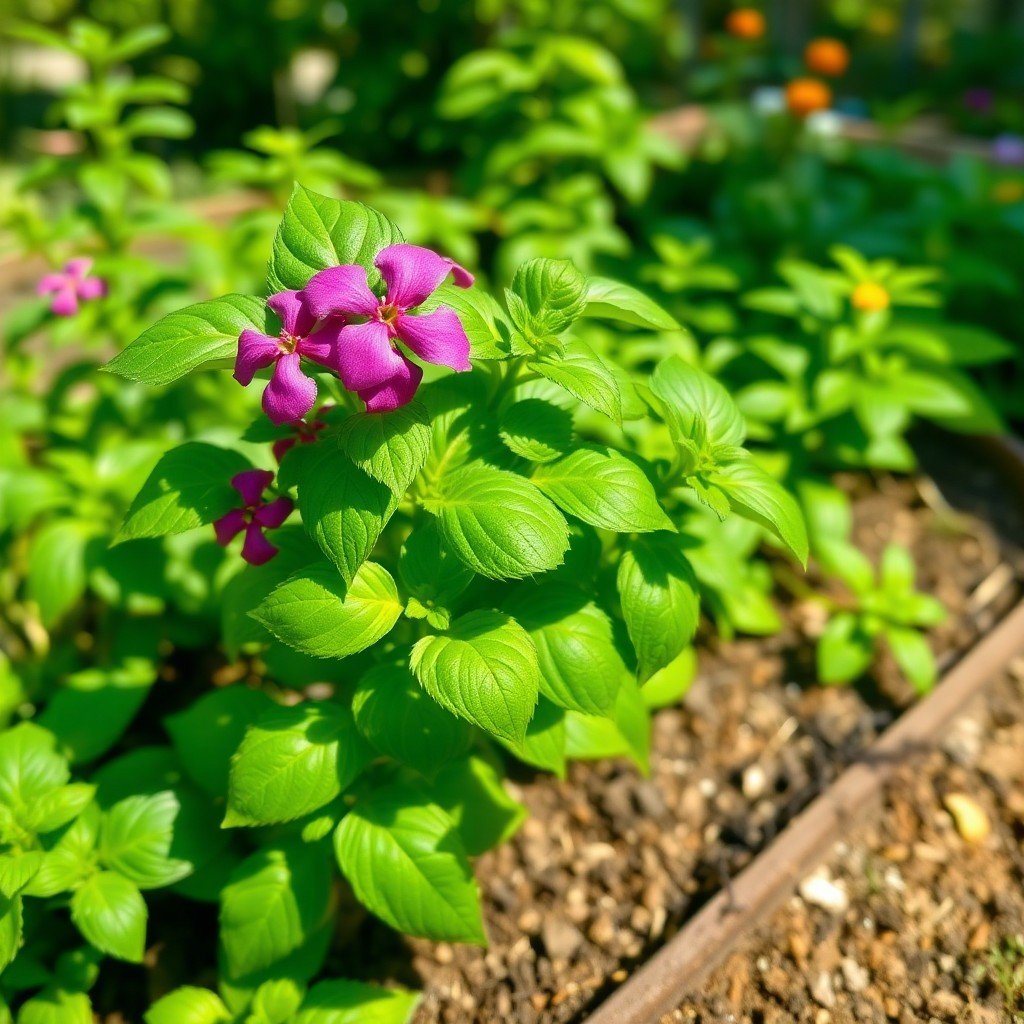
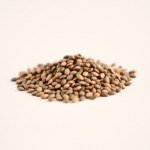
Basil Basilic is the classic sweet basil prized in Mediterranean kitchens. Its broad, glossy green leaves are gently cupped and release a warm, sweetly spiced aroma with notes of clove and anise the moment they are bruised. This rich, rounded fragrance and tender texture make it the basil of choice for fresh pesto, tomato and mozzarella plates, salads and finishing hot dishes, while its lush green mounds also look handsome on a sunny windowsill or balcony.
Planting
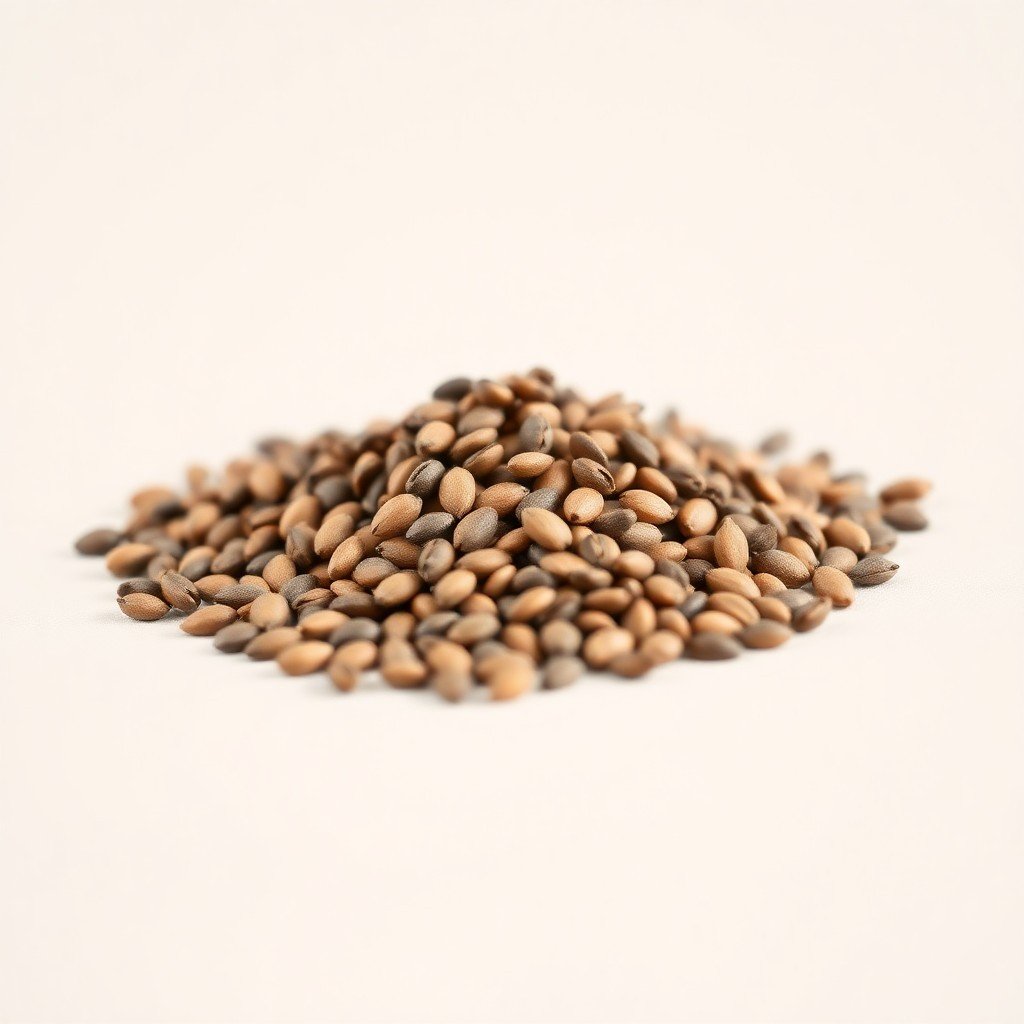
Basil is a warm-season annual that is sensitive to frost, so timing matters. Start seed indoors about 6 to 8 weeks before the last spring frost, or sow and transplant outdoors only once all frost danger has passed and the soil has warmed; wait until nighttime temperatures stay reliably above 10 C before planting out. Sow the seed lightly, about 0.6 cm deep. Seedlings usually emerge within 5 to 7 days and germinate over roughly 5 to 10 days, with the best results at a soil temperature of about 18 to 21 C. Give plants a full-sun spot with at least 6 to 8 hours of bright light a day in a warm, sheltered position. Thin or move seedlings to their final spacing once they have 2 to 3 pairs of true leaves, allowing about 15 to 30 cm between full-size plants, or a closer 10 to 20 cm if you are growing for cut leaves; direct-sown rows sit about 45 cm apart. Indoor-started plants are ready to go out about 6 weeks after sowing, once frost has passed.
Fertilizing
Basil growing in good garden soil often needs no extra feeding at all. Where you do feed, work in a low-nitrogen starter fertilizer before planting. If growth slows around two months after planting, give a light nitrogen side-dressing to keep the plant productive. Plants in containers benefit most from feeding: use a diluted balanced liquid feed every 3 to 6 weeks, and avoid high-potassium feeds, which do not suit this leafy herb.
Care
Basil is not drought tolerant and likes a fairly constant supply of soil moisture, so keep the soil evenly moist. Water deeply about every 7 to 10 days, and more often for plants in containers. Water at the base of the plant in the morning and avoid wetting the foliage, which helps keep diseases such as downy mildew at bay. Watch for common problems including downy mildew, Fusarium wilt, gray mold, bacterial leaf spot, damping-off and root rots, along with pests such as aphids, slugs and snails, spider mites, whiteflies, Japanese beetles and leafhoppers. Pinch out the growing tips at least once a week to encourage bushy, leafy growth, and remove flower buds as they appear, since flowering turns the plant woody and makes the leaves more bitter. Harvest in the cool of the early morning for the best flavour, picking just before flowering; for a full cut, take the plant back to about 10 to 15 cm above the ground to encourage fresh regrowth. In Egypt, start seed in a seedbed in late January to February and transplant out in March to April once nights are reliably above 10 C, for a long cutting season running from June into October; in the warmer south of the country you can begin a few weeks earlier, and mid-winter open-field sowing is best avoided.