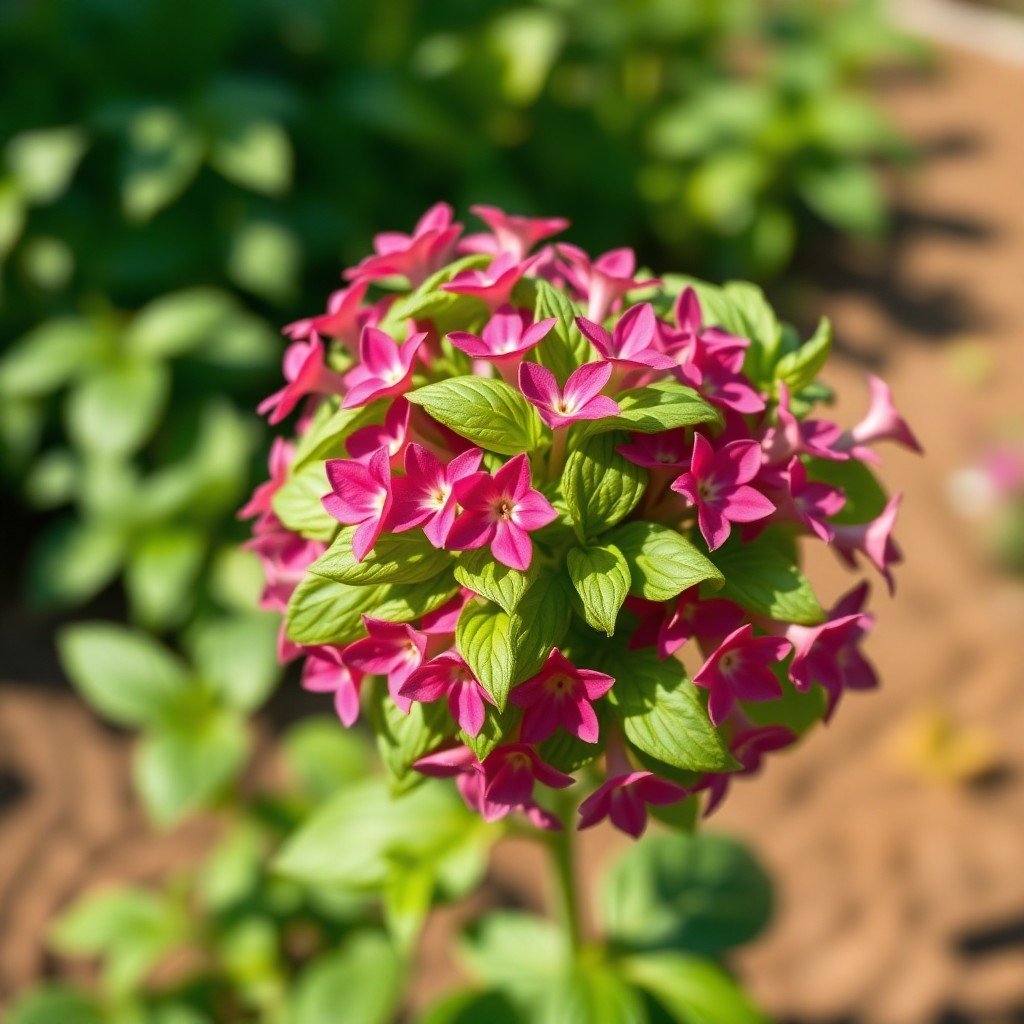
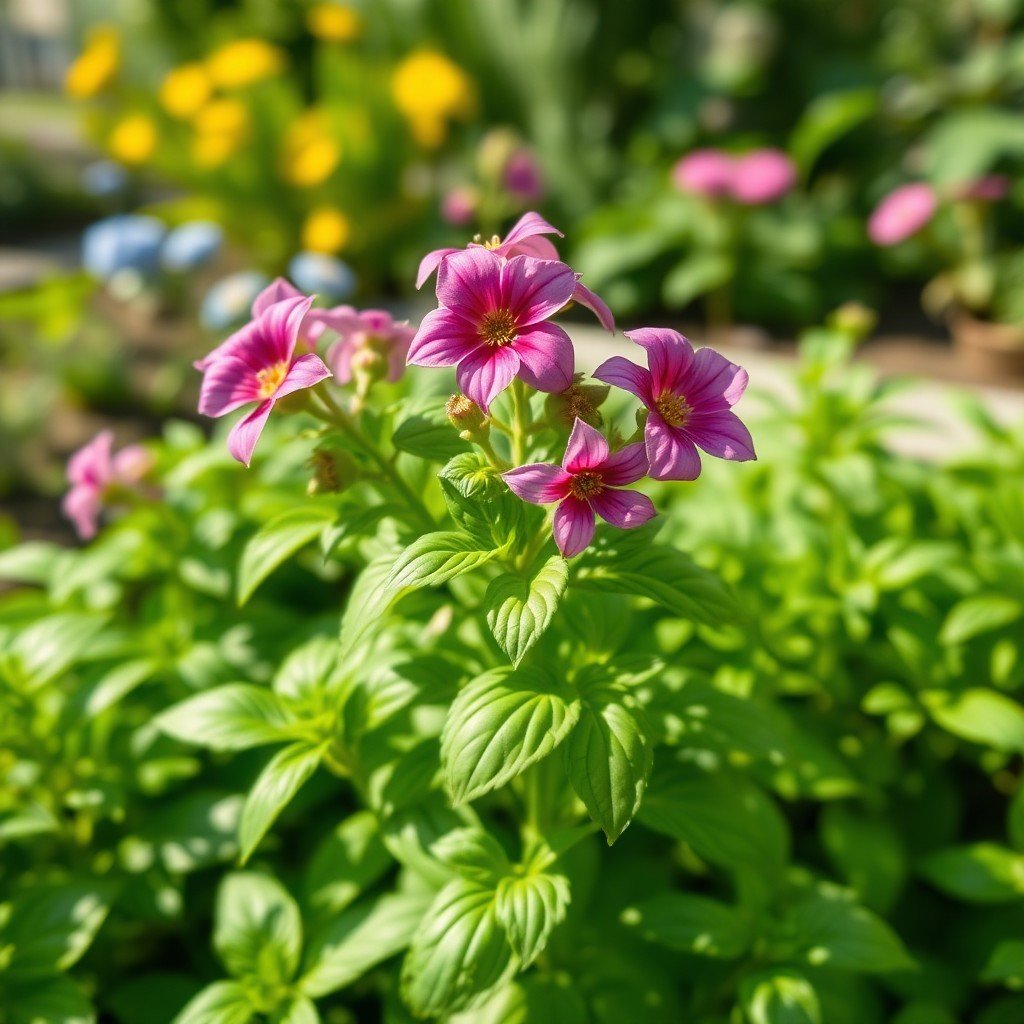
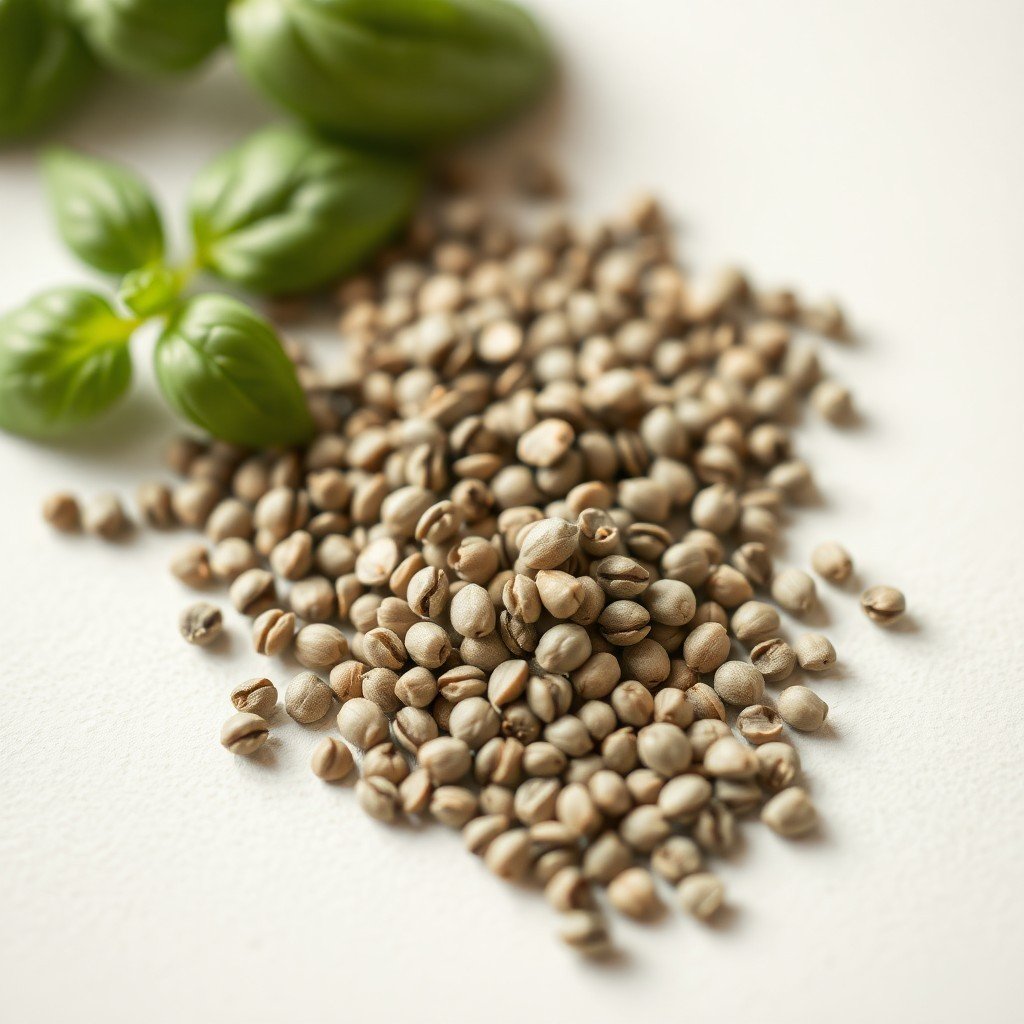
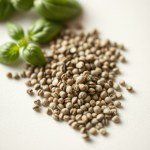
Basil Mix Seeds bring together an assorted selection of basil varieties in a single pack, so one sowing rewards you with a lively range of leaf colours, shapes and aromas instead of a single look. From classic bright-green sweet leaves to deeper and more ruffled types, this mix is as decorative on the windowsill as it is useful in the kitchen, lending its warm, fragrant scent to salads, sauces, pasta and fresh garnishes. It is a wonderful choice when you want variety from one pot and a constant supply of aromatic leaves for everyday cooking.
Planting
Basil is a warm-season annual that is frost-sensitive, so timing matters. You can start seed indoors about 6 to 8 weeks before the last spring frost, or sow and transplant outdoors only after all danger of frost has passed and the soil has warmed; wait for outdoor planting until nighttime temperatures stay reliably above 10 C. Sow the seed roughly 0.6 cm deep. Germination usually takes about 5 to 10 days, and is best at a soil temperature of around 18 to 21 C. Thin or transplant seedlings once they have formed 2 to 3 pairs of true leaves, spacing full-size plants about 15 to 30 cm apart, or 10 to 20 cm apart for cut-leaf production. Indoor-started seedlings move outdoors about 6 weeks after sowing, once frost danger has passed. Give plants full sun, at least 6 to 8 hours of bright light each day, in a warm, sheltered spot.
Fertilizing
A low-nitrogen starter fertilizer worked in before planting suits basil well, for example a 5-10-5 blend at about 3 ounces per 10 feet of row. If growth slows roughly 2 months after planting, side-dress with about 0.1 to 0.2 kg of calcium nitrate per row section as a nitrogen feed. Plants grown in good garden soil often need no extra fertilizer at all. For container basil, feed every 3 to 6 weeks with a diluted balanced liquid feed, ideally an organic-based one, and avoid high-potassium feeds.
Care
Basil is not drought tolerant and needs a fairly constant supply of soil moisture, so keep the soil evenly moist. Water deeply about every 7 to 10 days, and more often for containers. Water at the base in the morning and avoid wetting the foliage, which helps reduce disease. Pinch the terminal shoot tips regularly, at least weekly, to keep plants bushy, and pinch out flower buds as they appear, since flowering makes plants woody and turns the leaves more bitter. Watch for diseases such as downy mildew, Fusarium wilt, gray mold and bacterial leaf spot, and for pests including aphids, slugs and snails, spider mites and whiteflies. Begin harvesting young leaves as needed; for best flavour, harvest just before flowering, ideally in the cool early morning, and for a full cut take the plant back to about 10 to 15 cm above the ground to encourage regrowth.
Growing in Egypt
In Egypt the main constraint is avoiding cold nights below about 10 C rather than the summer heat. In the Nile Delta and Lower Egypt, start seed in a protected seedbed in late January to February and transplant outdoors in March to April once nights are reliably above 10 C, for a long spring-through-autumn cutting season from June into October; avoid sowing into the cold of mid-winter. In Upper Egypt the frost-free window is wider, so transplanting can begin a few weeks earlier, from late February into March, and a second autumn crop is feasible. During the most intense summer weeks, provide consistent moisture and some afternoon relief, since basil is not drought tolerant and can suffer heat stress. Peak summer, June through August, is the main harvest period before flowering.