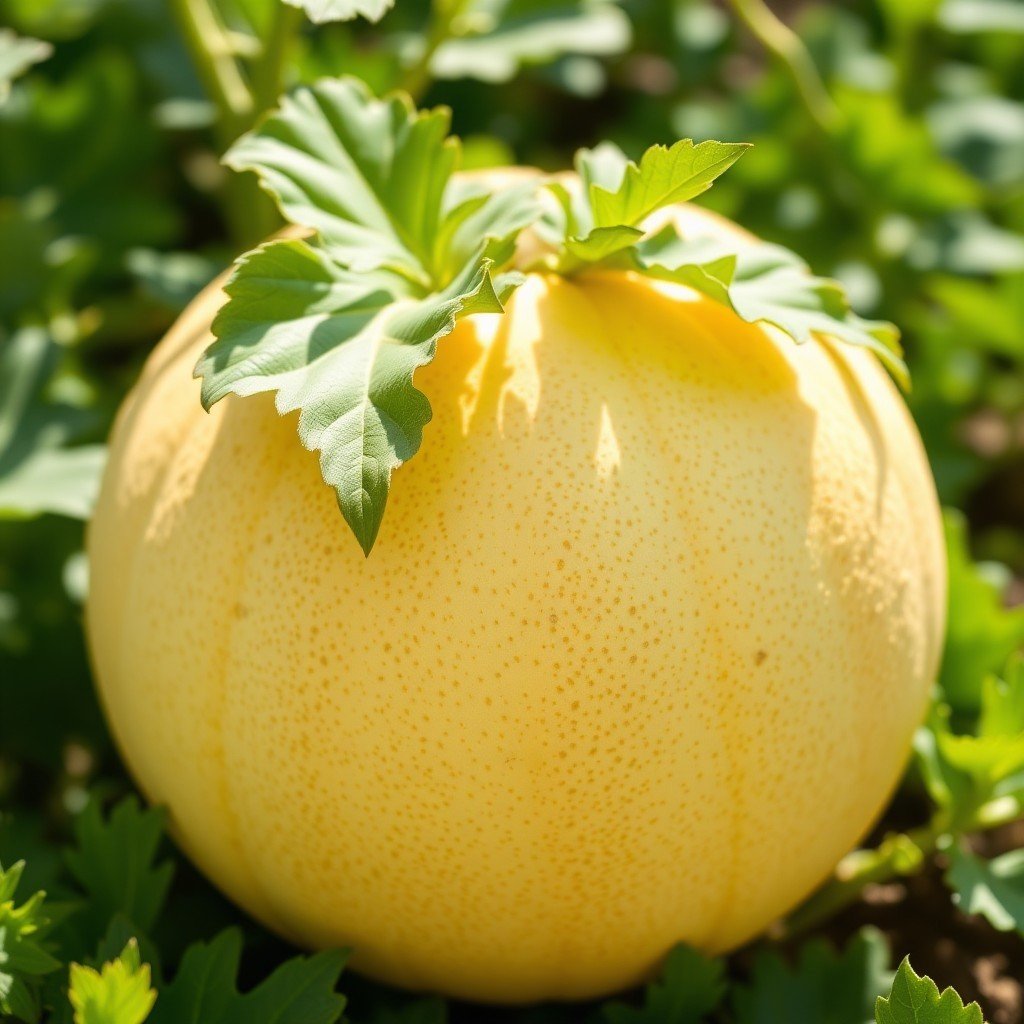
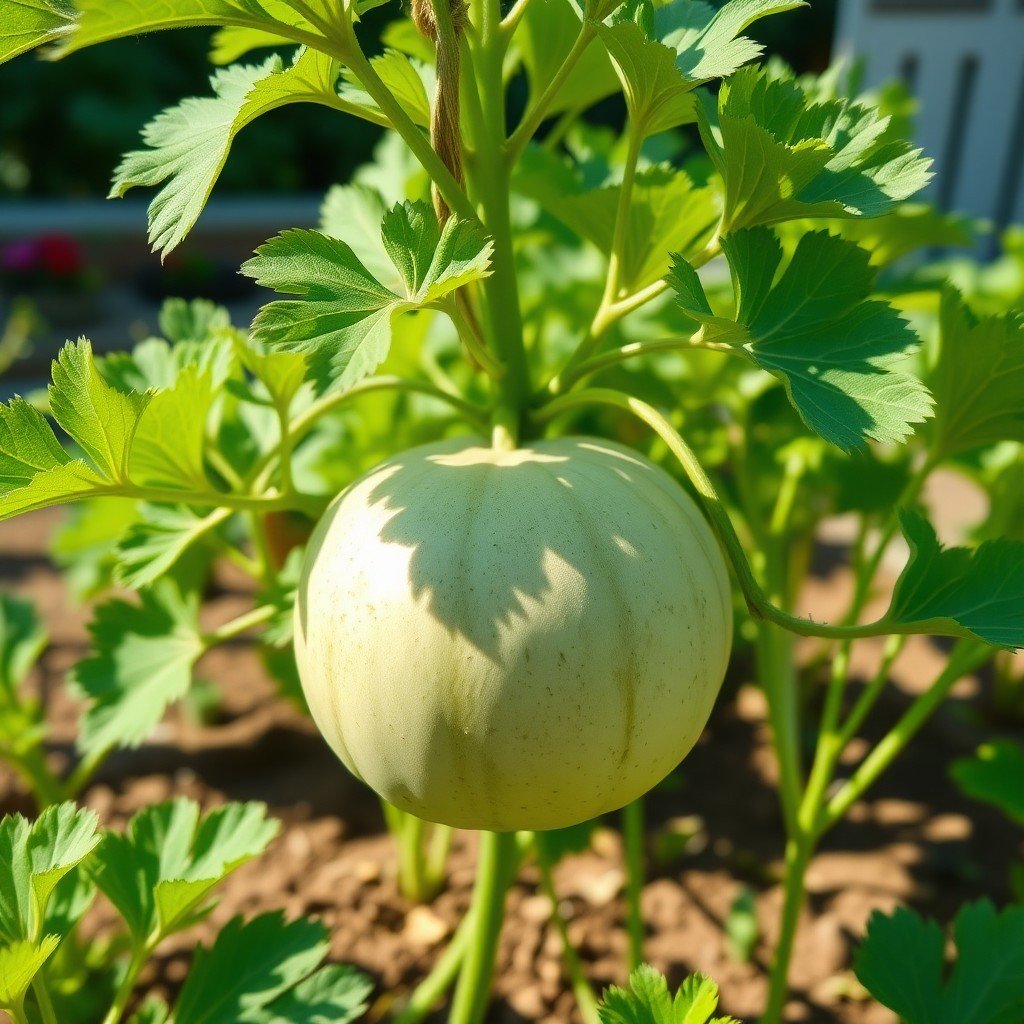
The cantaloupe, or muskmelon, is the classic warm-season dessert melon: deep orange, sweet flesh wrapped in a netted, coarse-skinned rind that fills the kitchen with an unmistakable musky-sweet fragrance the moment it ripens. It is at its best eaten fresh and chilled, sliced for breakfast, blended into juices and shakes, or paired with savoury bites. Because this melon does not continue to ripen once picked, every fruit you grow at home and harvest at the right moment carries the full, honeyed flavour you simply cannot get from an early-picked store melon.
Planting
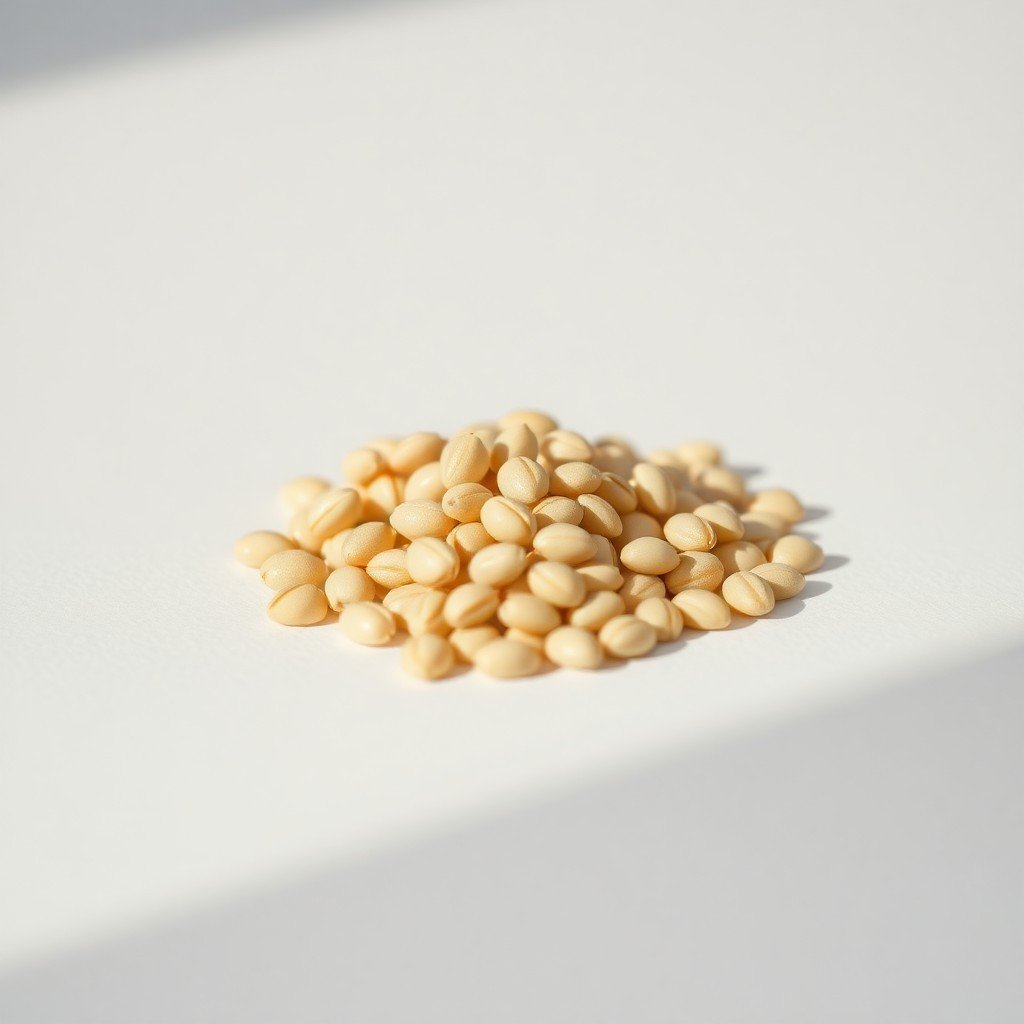
Cantaloupe is a warm-season crop, so sow only after the last spring frost. Direct-sow outdoors once the soil has warmed to at least 18 C and the nights are warm; in cooler conditions start seeds indoors 4 to 6 weeks before the last frost and move the young plants out 1 to 2 weeks after it. Plant seeds about 1.5 cm deep (anywhere from 1.3 to 2.5 cm is fine), or 0.5 to 1.5 cm for indoor modules. Sow in groups of 2 to 3 seeds in hills spaced 45 to 60 cm apart, with rows 1.5 to 2.4 m apart; allow at least 90 cm between trailing plants, or 45 cm if you train them up a support. Warmth is the key to a good start: germination is best at a soil temperature of 21 to 32 C (keep indoor starts at 27 to 32 C until they sprout), and under these warm conditions the seeds come up in about a week, roughly 5 to 10 days. Choose a hot, sunny spot with at least 6 hours of direct sun a day, though 8 to 10 hours is better. In Egypt: cantaloupe needs warm soil and frost-free weather, so build the planting window around avoiding both the cool winter and the peak summer heat at flowering. In the Nile Delta and Lower Egypt (Cairo, Alexandria) direct-sow or transplant from late February through April, once the soil has warmed past the cool winter and the risk of cold nights below 12 C has passed; this gives a harvest from late May through July, ahead of the most extreme heat and humid-weather disease pressure. A second, shorter planting is possible in late summer (August to early September) for an autumn crop in milder Delta areas. In Upper Egypt (Aswan, Luxor, Minya) the warmer winters allow earlier sowing from late January through March; aim to set fruit before the harshest May to August heat, as temperatures above about 35 C can reduce fruit set and quality and very high heat at flowering causes poor pollination. Across the country, avoid sowing so late that flowering lands in the peak July and August heat.
Fertilizing
Feed cantaloupe with restraint, because too much nitrogen pushes leafy vine growth at the expense of fruit. Before planting, work a low-nitrogen fertilizer such as 5-10-10 into the soil at about 1.5 kg per 100 square metres. Once the vines begin to run, sidedress with nitrogen (for example 34-0-0 at roughly 0.5 kg per 30 m of row), then sidedress a second time after bloom, as the fruit is setting (such as 15.5-0-0). If you are growing in a container or greenhouse, give a general liquid feed every 10 to 14 days and switch to a high-potassium feed once the fruits reach walnut size.
Care
Give plants about 2.5 to 5 cm of water a week, keeping the soil evenly moist down to roughly 15 cm. Water in the morning using drip or soaker lines so the leaves stay dry, then ease off the watering as the fruit matures to concentrate the flavour and prevent splitting. After the seedlings emerge, keep the strongest 1 to 3 plants in each group and remove the rest; transplant young plants out once they have 3 to 4 true leaves and handle them gently, as melons resent root disturbance. Pinching out the growing tip after about 5 leaves encourages productive side-shoots. Watch for striped and spotted cucumber beetles (which spread bacterial wilt), squash vine borers, squash bugs, spider mites and aphids; floating row covers help keep pests off early on, but remove them at flowering so bees can pollinate. Keeping foliage dry by watering at the base also helps fend off the common diseases, which include powdery and downy mildew, bacterial wilt, anthracnose, angular leaf spot, gummy stem blight, Alternaria leaf blight and cucurbit viruses. The fruit is ready about 35 to 45 days after the flower is pollinated: a ripe cantaloupe reaches full slip (the stem separates cleanly with a light twist), the netting on the rind turns coarse, the background colour shifts from green to yellow or tan, and the melon gives off its sweet fragrance. Remember it will not ripen further once picked, so harvest at this point for the best flavour.