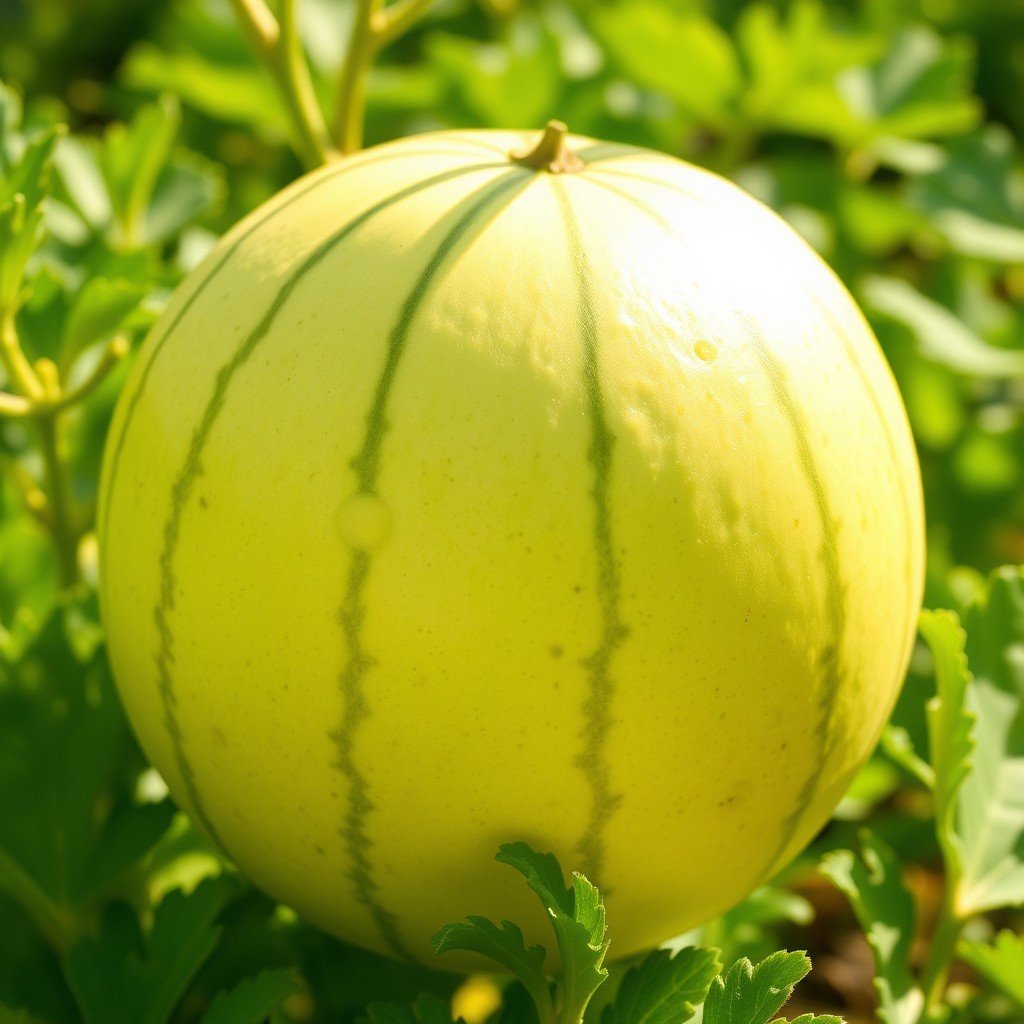
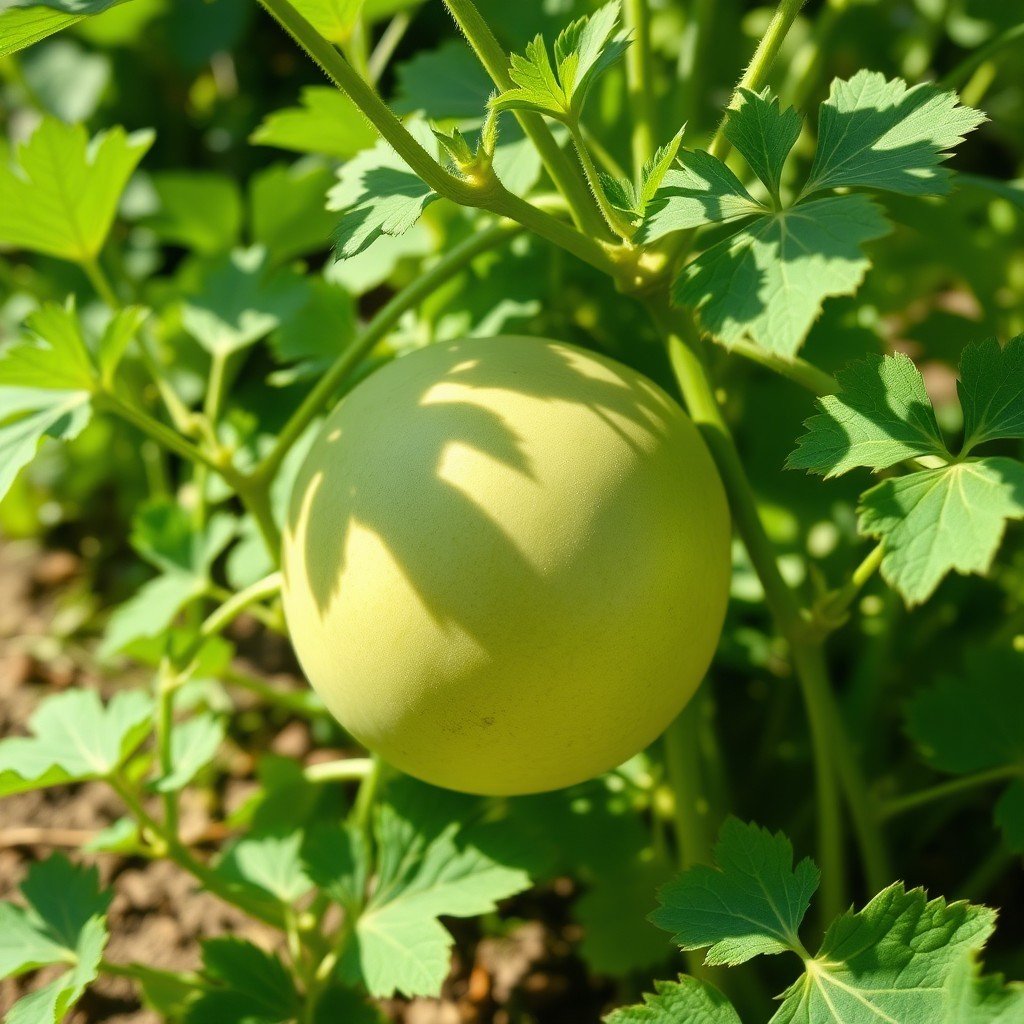
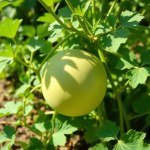
Honeydew melon (Cucumis melo) stands apart for its smooth, almost waxy rind that ripens from green to a creamy pale-yellow, with no coarse netting like its cantaloupe cousins. Inside, the flesh is a cool pale green, exceptionally juicy and clean on the palate, with a delicate honey sweetness and a soft, refreshing aroma rather than a heavy musk. It is the classic dessert melon: chilled and sliced on its own, cubed into fruit salads, wrapped with savoury cured meats, or blended into cooling summer drinks. Its mild, sugary taste makes it a favourite for hot Egyptian days.
Planting
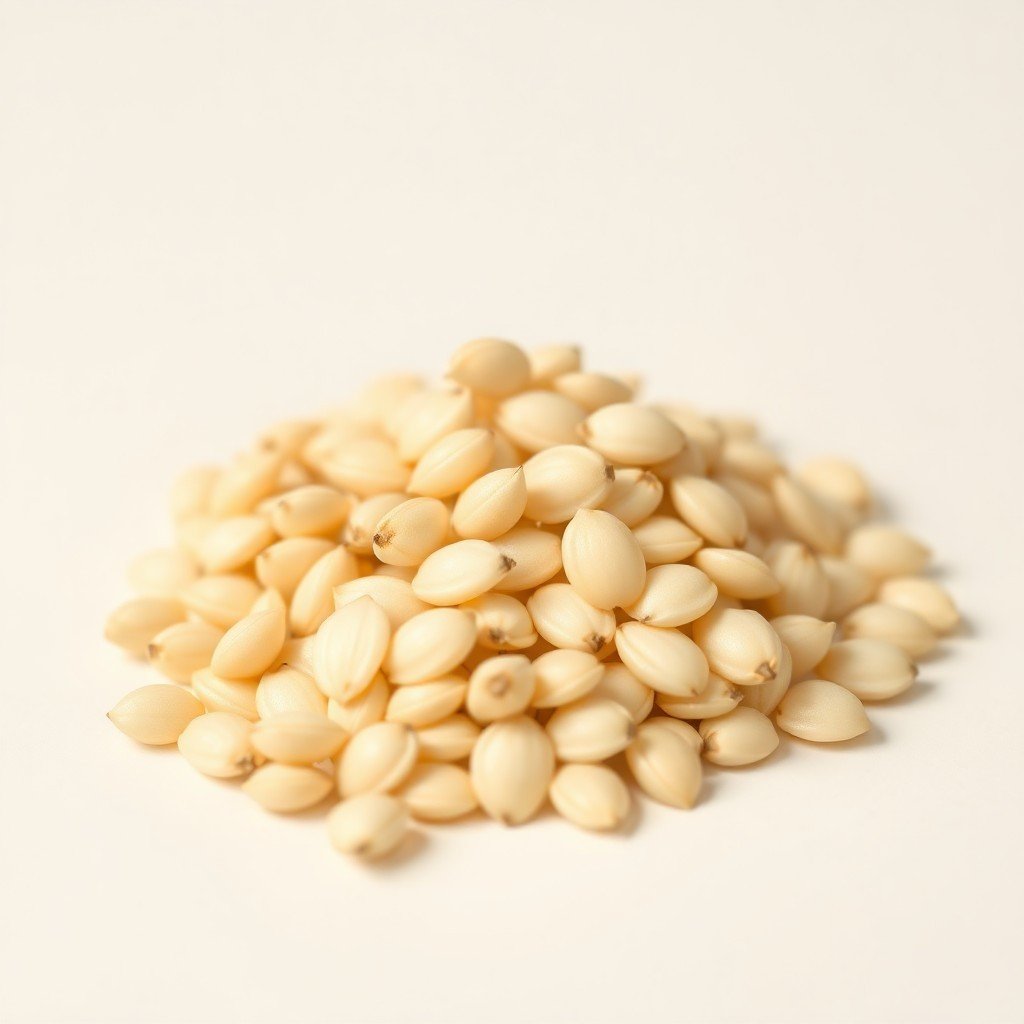
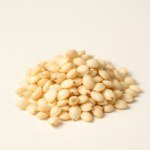
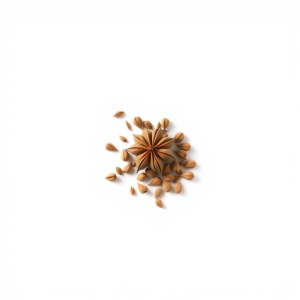
This is a warm-season crop, so sow only after the last spring frost has passed. Direct-sow outdoors once the soil has warmed to at least 18 C and the nights are mild; in cooler conditions, start seeds indoors 4 to 6 weeks ahead and transplant out 1 to 2 weeks after the last frost. In Egypt the main window is late February through April in the Nile Delta and Lower Egypt (Cairo, Alexandria), once cold nights below 12 C have passed, giving harvest from late May into July; Upper Egypt (Aswan, Luxor, Minya) can sow earlier, from late January through March. A shorter late-summer sowing in August to early September is possible for an autumn crop in milder Delta areas. Set seeds about 1.5 cm deep (anywhere from roughly 1.3 to 2.5 cm is fine), and around 0.5 to 1.5 cm deep for indoor module starts. Sow 2 to 3 seeds together in hills spaced 45 to 60 cm apart, with rows 1.5 to 2.4 m apart; allow at least 90 cm between trailing plants, or 45 cm if you train them up supports. Keep the soil warm at 21 to 32 C for the best germination (indoor starts do well at 27 to 32 C), and seedlings should emerge in about a week, roughly 5 to 10 days. Give them a hot, sunny spot with a minimum of 6 hours of direct sun daily, though 8 to 10 hours is better.
Fertilizing
Before planting, work a low-nitrogen fertilizer such as 5-10-10 into the bed at about 1.5 kg per 100 square metres. When the vines begin to run, sidedress with nitrogen, roughly 0.5 kg of 34-0-0 per 30 m of row. Sidedress a second time after bloom, as the fruit is setting, for example 2 lb of 15.5-0-0 per 100 ft of row. Be careful not to overfeed with nitrogen, as too much pushes leafy vine growth at the expense of fruit. For container or greenhouse growing, give a general liquid feed every 10 to 14 days, then switch to a high-potassium feed once the fruits reach walnut size.
Care
Provide about 2.5 to 5 cm of water per week, keeping the soil evenly moist down to around 15 cm. Drip lines or soaker hoses are ideal, and watering in the morning keeps the foliage dry; this matters even more in humid Delta conditions where overhead watering spreads disease and water is scarce. As the fruit matures, ease off the watering to concentrate flavour and prevent splitting. Once seedlings emerge, keep the strongest 1 to 3 plants per hill and remove the rest; transplant out gently when they have 3 to 4 true leaves, as melons resent root disturbance. Pinching the growing tip after 5 leaves encourages productive side-shoots. Watch for striped and spotted cucumber beetles (which carry bacterial wilt), squash vine borers, squash bugs, spider mites and aphids; floating row covers exclude pests early but must come off at flowering so bees can pollinate. Common diseases include powdery and downy mildew, bacterial wilt, anthracnose, angular leaf spot, gummy stem blight, Alternaria leaf blight and cucurbit viruses, so water at the base and keep the leaves dry. Fruit is ready about 35 to 45 days after the flower is pollinated; ripe melons slip cleanly from the stem with a gentle twist, the background colour shifts from green to yellow or tan, and a sweet melon fragrance develops. Remember that this melon does not continue to ripen after picking, so harvest at full ripeness.