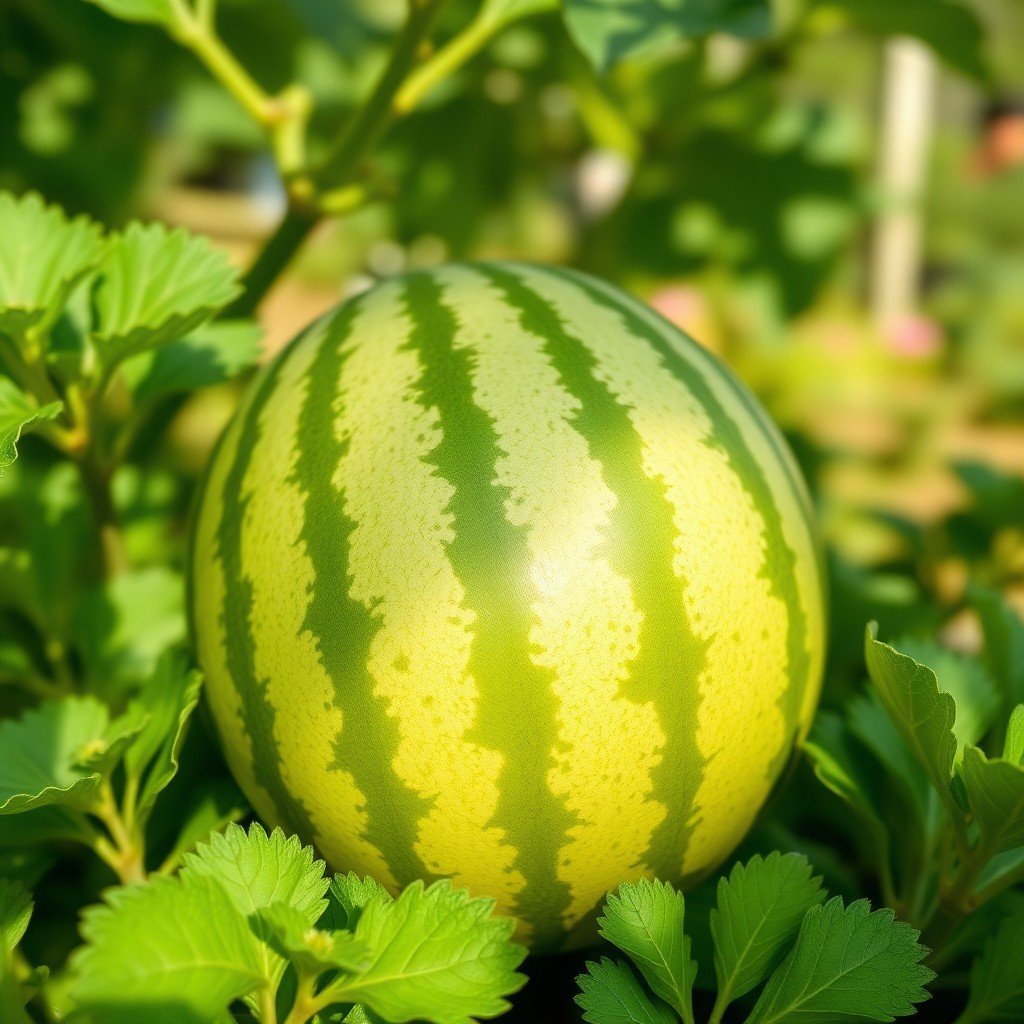
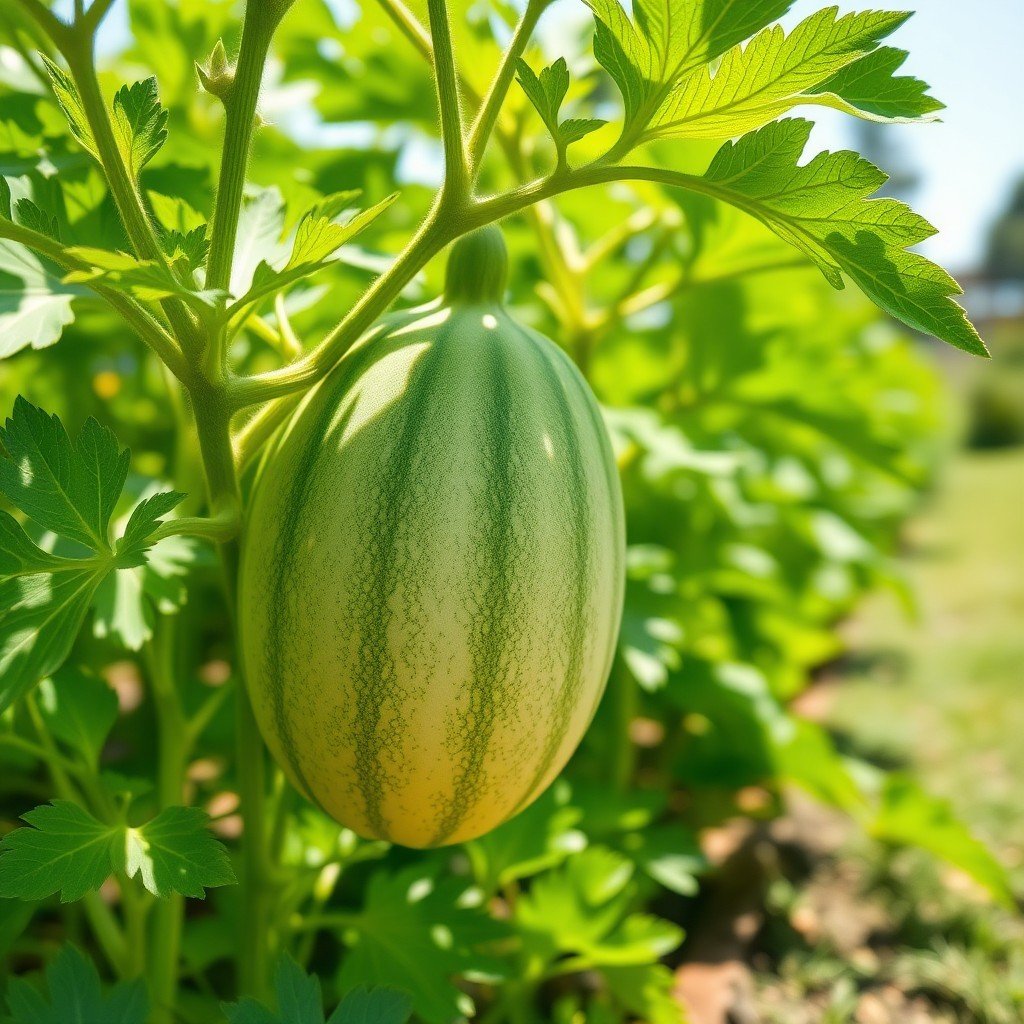
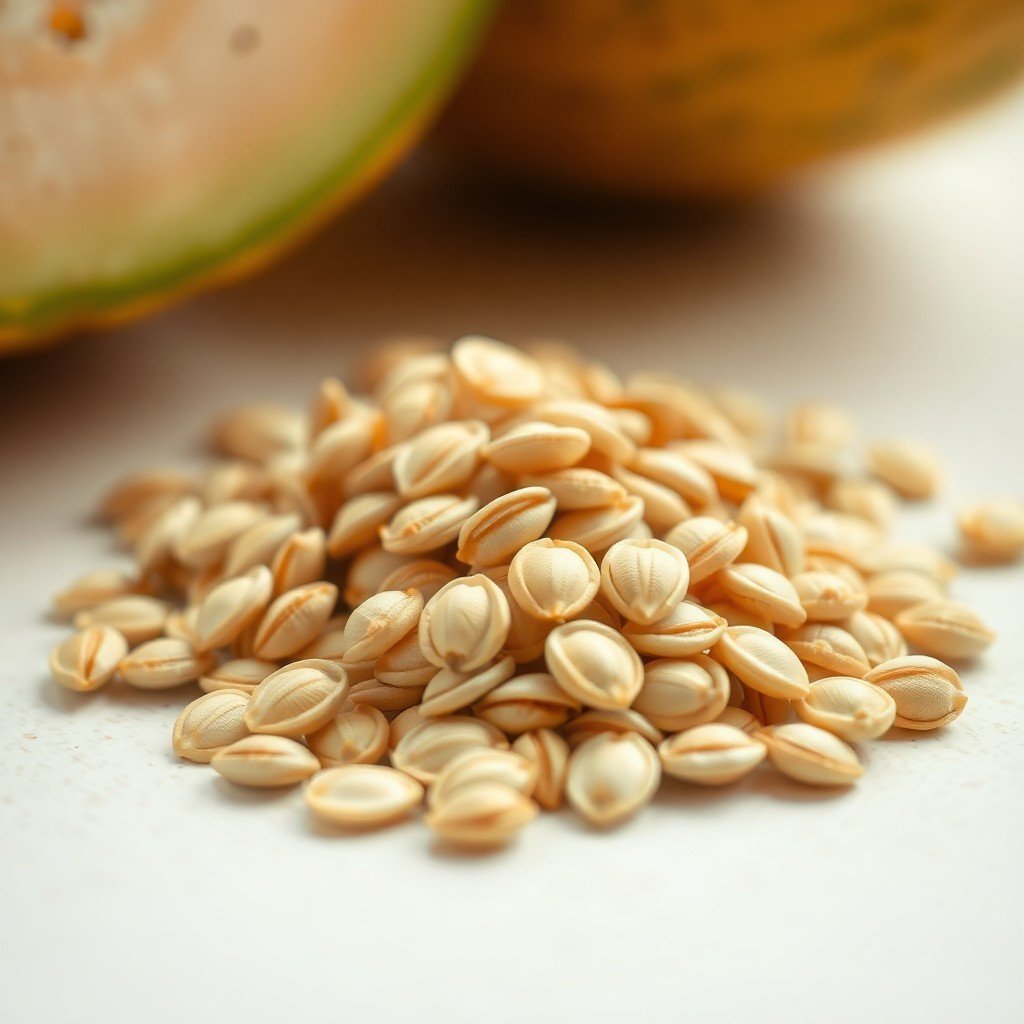
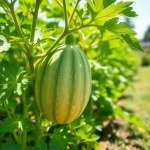
Egyptian Melon (Cucumis melo) is a sun-loving cantaloupe prized for its deeply sweet, juicy flesh and that unmistakable melon fragrance that fills the kitchen the moment you cut it open. The fruit develops a coarse, netted rind whose background colour shifts from green to a warm yellow-tan as it ripens, signalling a tender, aromatic interior. Grown under Egypt's long warm season, it reaches the table sweet and richly perfumed, perfect for eating fresh and chilled, blending into refreshing summer juices, or serving as a fragrant dessert melon. Because this cantaloupe does not continue to ripen after picking, every fruit is harvested at its sweetest peak.
Planting
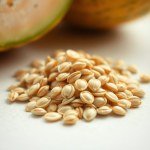
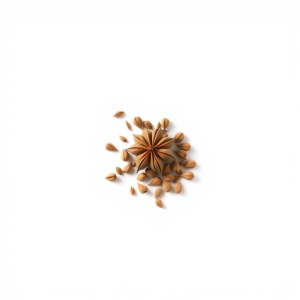
This is a warm-season crop, so sow only after the last spring frost and once the soil has warmed. Direct-sow outdoors when the soil reaches at least 18 C and nights are warm; in cooler conditions, start seeds indoors 4 to 6 weeks before the last frost and transplant out 1 to 2 weeks afterwards. Set seeds about 1.5 cm deep (anywhere from roughly 1.3 to 2.5 cm is fine; 0.5 to 1.5 cm for indoor modules). Germination is best at a soil temperature of 21 to 32 C, with 18 C the minimum for planting, and seeds typically sprout within about a week (5 to 10 days) when kept warm. Sow 2 to 3 seeds in hills spaced 45 to 60 cm apart, with rows 1.5 to 2.4 m apart; allow at least 90 cm between trailing plants, or 45 cm if you train them up supports. In Egypt, the Nile Delta and Lower Egypt (Cairo, Alexandria) suit sowing from late February through April for a late-May to July harvest, with a shorter late-summer planting (August to early September) possible in milder Delta areas; warmer Upper Egypt (Aswan, Luxor, Minya) can sow from late January through March. Aim to set fruit before the harshest May to August heat, and give the plants full sun in a hot, sunny spot.
Fertilizing
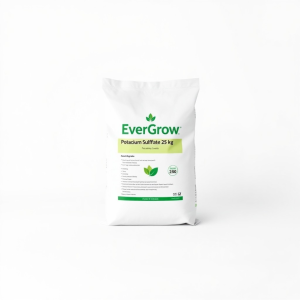
Before planting, work in a low-nitrogen fertilizer such as 5-10-10 at about 1.5 kg per 100 square metres. Sidedress with nitrogen when the vines begin to run (for example, around 0.5 kg of 34-0-0 per 30 m of row), then sidedress a second time after bloom as the fruit begins to set. Avoid excess nitrogen, which pushes leafy vine growth at the expense of fruit. For container or greenhouse growing, apply a general liquid feed every 10 to 14 days, switching to a high-potassium feed once the fruits reach about walnut size.
Care
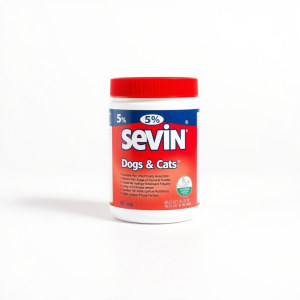
Choose a hot, sunny location with full sun, ideally 8 to 10 hours of direct light a day and never fewer than 6. Provide about 2.5 to 5 cm of water per week, keeping the soil evenly moist to roughly 15 cm deep; drip lines or soaker hoses used in the morning keep the foliage dry and help limit disease, which matters especially in the humid Delta where water is scarce. Reduce watering as the fruit matures to concentrate flavour and prevent splitting. Once seedlings emerge, keep the strongest 1 to 3 plants per hill and remove the rest; transplant when they have 3 to 4 true leaves, handling them gently as melons resent root disturbance, and pinch the growing tip after about 5 leaves to encourage side-shoots. Watch for striped and spotted cucumber beetles (which spread bacterial wilt), squash vine borers, squash bugs, spider mites and aphids; floating row covers exclude pests early but must be removed at flowering for pollination. Guard against powdery and downy mildew, bacterial wilt, anthracnose, angular leaf spot, gummy stem blight, Alternaria leaf blight and cucurbit viruses by watering at the base and keeping the leaves dry. The fruit is ready about 35 to 45 days after the flower is pollinated: look for full slip, when the stem separates cleanly with a light twist, coarse netting on the rind, a background colour turning from green to yellow-tan, and a sweet melon fragrance.