
SKU: TNW-SZPL-017
Categories: Seeds & Plants
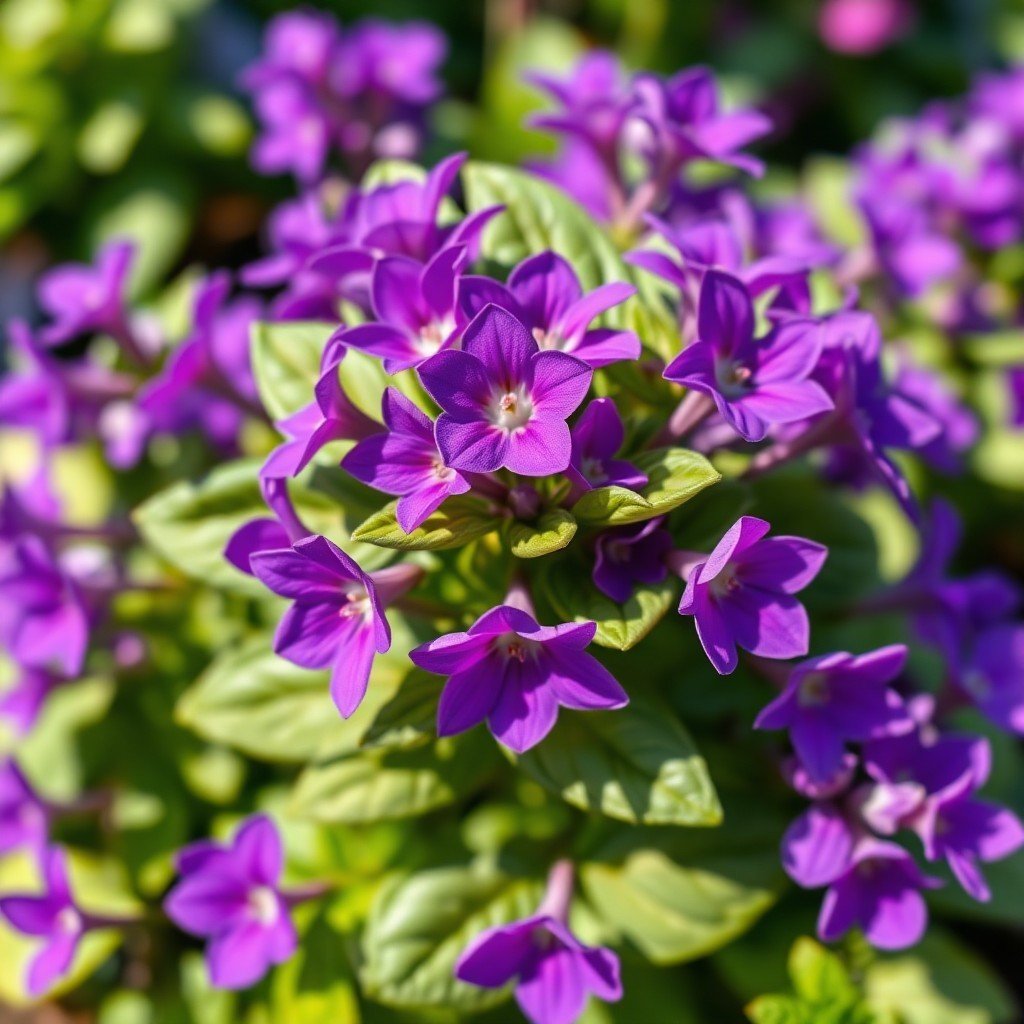
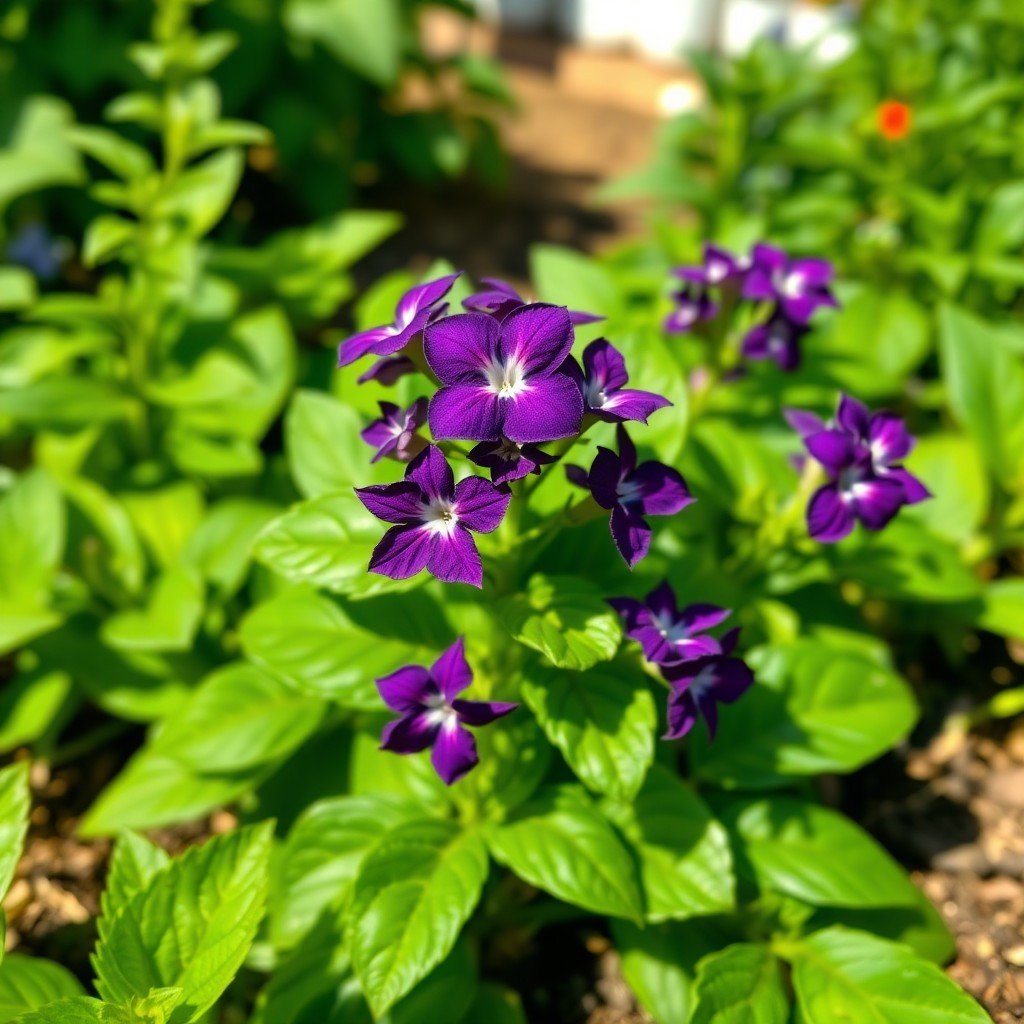
Dark Opal Basil is the variety you grow as much for the eye as for the plate. Its leaves are a deep, glossy burgundy-purple that turn an ordinary herb bed into a focal point, while the aroma leans warm and spicy with a clove-like edge that sets it apart from the soft sweetness of green sweet basil. Pick young leaves to scatter over salads and tomato dishes, steep them to tint vinegars and oils a beautiful rose-pink, or simply let the plant stand as a striking ornamental among greener herbs. It is a true dual-purpose basil: handsome enough for a border, flavourful enough for the kitchen.
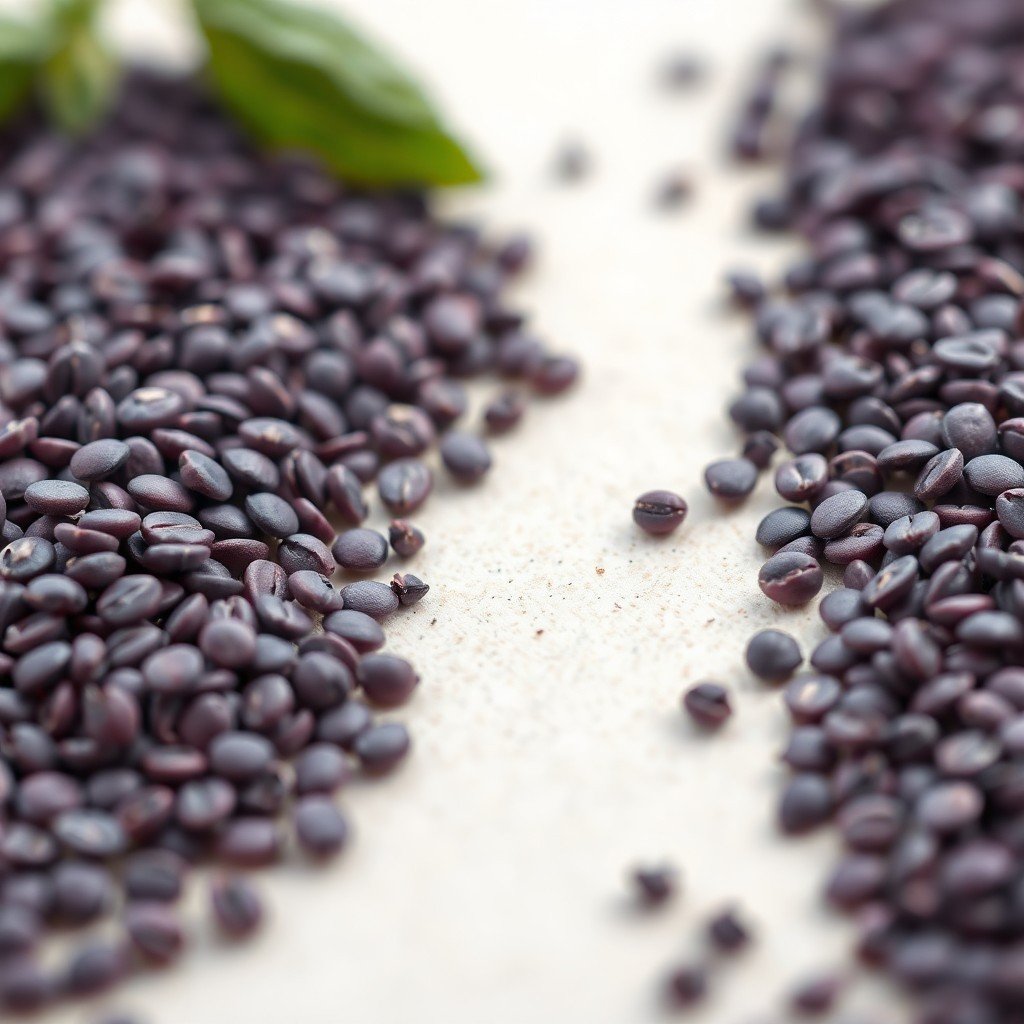
This is a warm-season, frost-sensitive annual, so timing matters. Start seed indoors about 6 to 8 weeks before the last spring frost, or sow and transplant outdoors only once all danger of frost has passed and the soil has warmed; outdoor transplanting should wait until nighttime temperatures stay reliably above 10 C. Cover the seed lightly, sowing about 0.6 cm deep. Germination usually takes 5 to 10 days and is best when the soil or media sits around 18 to 21 C, with seedlings often emerging within 5 to 7 days. Give plants full sun, at least 6 to 8 hours of bright light a day, in a warm, sheltered spot. Thin or move seedlings to their final spacing once they have 2 to 3 pairs of true leaves, allowing roughly 15 to 30 cm between full-size plants, or 10 to 20 cm if you are growing for cut leaves, with direct-sown rows about 45 cm apart. Indoor-started seedlings are ready to go out about 6 weeks after sowing, once frost is no longer a risk. In Egypt, start seed in a seedbed in late January to February and transplant out in March to April once nights are reliably above 10 C, which sets up a long cutting season from June into October; in warmer Upper Egypt you can begin a few weeks earlier.
Dark Opal does not need to be pushed hard. Work a low-nitrogen starter fertilizer into the bed before planting. Basil grown in the ground in good soil often needs nothing more. If growth slows around two months after planting, give a side-dressing of a nitrogen feed such as calcium nitrate to keep it going. Container-grown plants benefit from a diluted balanced liquid feed every 3 to 6 weeks; lean toward an organic-based balanced feed and avoid high-potassium products.
Basil is not drought tolerant and wants a fairly steady supply of soil moisture, so keep the bed evenly moist. Water deeply about every 7 to 10 days, and more often for containers. Water at the base of the plant in the morning and avoid wetting the leaves, which helps hold down disease, especially downy mildew. Pinch out the terminal shoot tips at least once a week to keep growth bushy and to delay flowering, since flowering turns the plant woody and the leaves more bitter while reducing yield, so remove flower buds and stems as they appear. For the best flavour, harvest just before flowering, and take leaves in the cool of the early morning; for a full cut, take the plant back to about 10 to 15 cm above the ground to encourage fresh regrowth. Watch for the usual basil troubles: downy mildew, Fusarium wilt, gray mold, bacterial leaf spot, damping-off and root rots among diseases, and aphids, slugs and snails, spider mites, whiteflies, Japanese beetles and leafhoppers among pests; base watering and good airflow are your first line of defence.
Your email address will not be published. Required fields are marked *
Please login to write review!
Looks like there are no reviews yet.
LE770.00
LE365.00
LE560.00
LE495.00