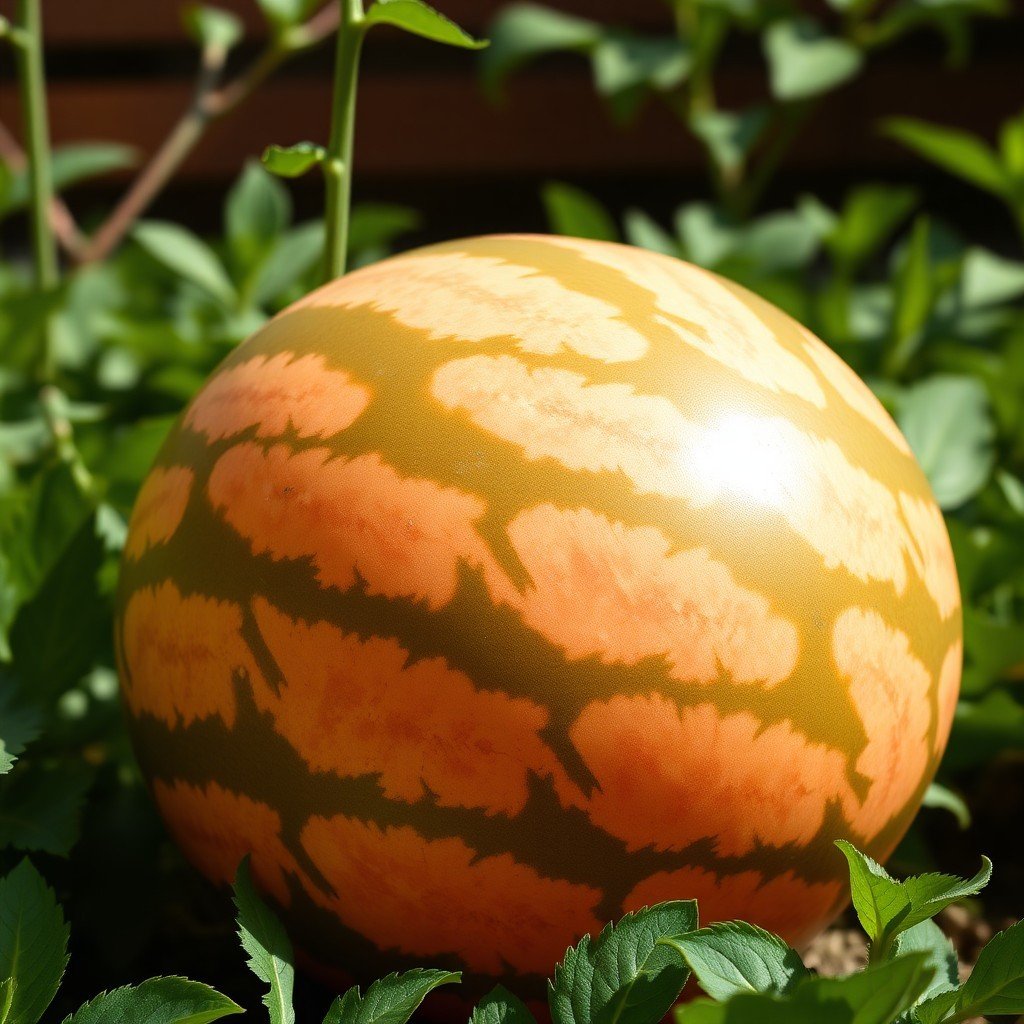
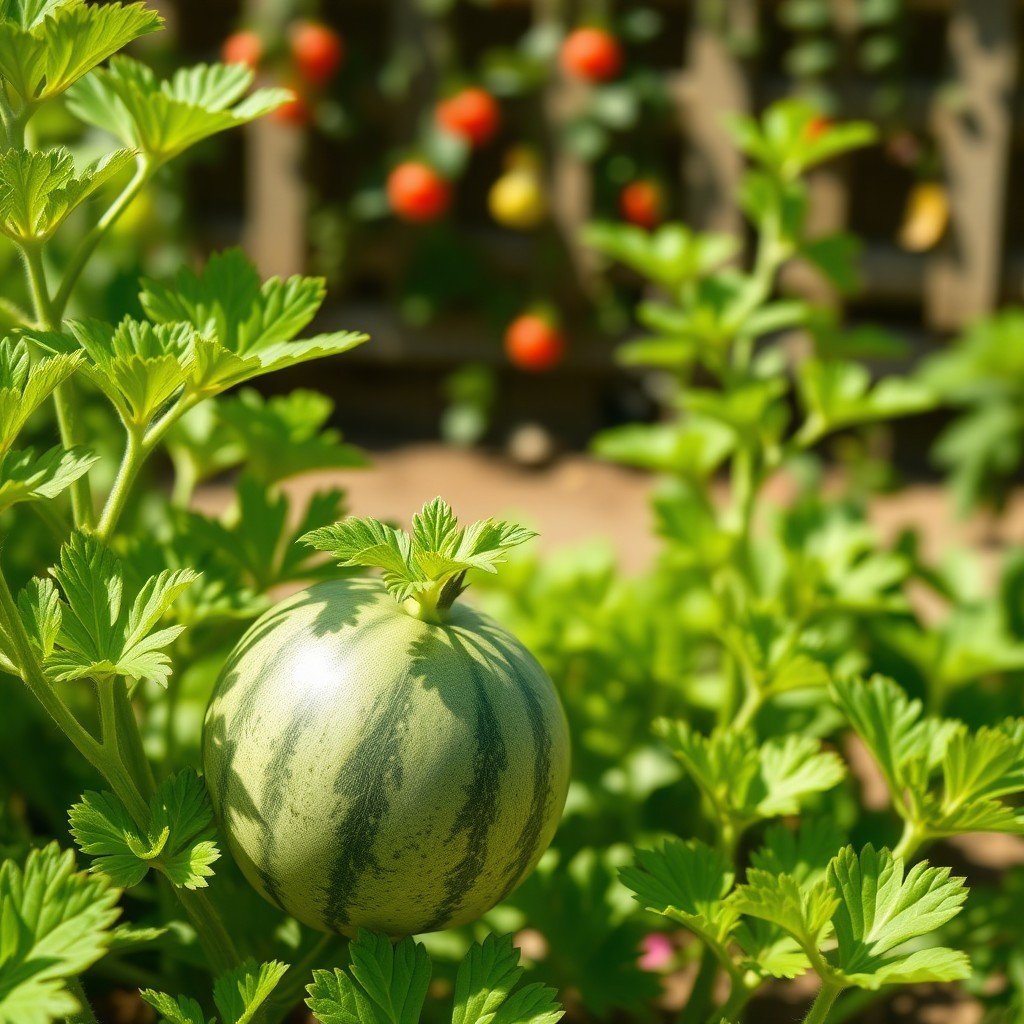
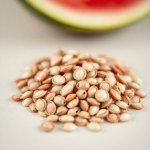
The Baladi Watermelon is Egypt's classic summer fruit, prized for its juicy, sugar-sweet, deep-red flesh and that satisfying crisp bite. Its large round-to-oblong body wears the familiar green striped rind, and a single chilled slice is the country's favourite way to cool down on a hot afternoon. As a true heat-lover, this is a melon that rewards full sun and warmth, making it perfectly at home in the Egyptian climate where summers run long and bright.
Planting
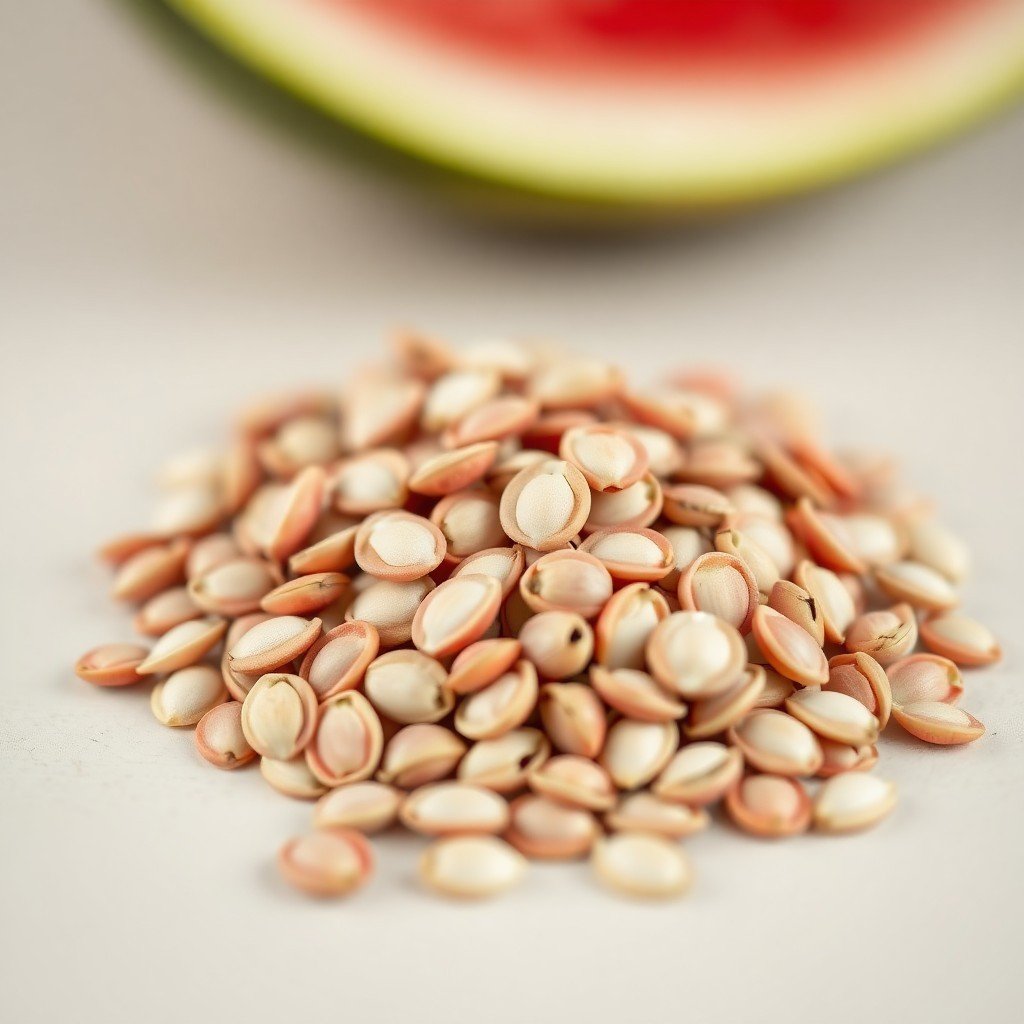
Watermelon is a warm-season, very frost-sensitive fruit, so timing is everything. Direct-seed one to two weeks after the last frost once the soil is warm — above about 21 C — or get a head start by raising transplants indoors roughly four to five weeks ahead and setting them out only after all frost danger has passed and the soil reaches 18-21 C. Sow seed about 1.3-2.5 cm deep, using closer to 2.5 cm when planting directly into hills. The soil needs to be at least 16-18 C at 10 cm depth, with 21-32 C being ideal; at around 25 C seedlings push through in about five days, while germination crawls below 21 C. Give the vines plenty of room: space rows about 1.8-2.4 m apart and plants roughly 0.9-1.8 m apart within the row, allowing around 2.2 m² per plant. If sowing in hills, drop four to five seeds per hill with hills set 1.8-2.4 m apart. Choose a hot, sunny location offering about 8-10 hours of direct sunlight a day. In Egypt, the Delta and Lower Egypt sow from mid-February to April for a May-July harvest, while warmer Upper Egypt can start as early as late January to March; a late-summer crop sown in August for an October-November harvest is also possible in warm areas.
Fertilizing
Work a complete fertilizer into the bed before planting, such as 5-10-10 or 10-10-10/13-13-13 at roughly 1.5 kg per 10 m². Before the vines start to run, side-dress with nitrogen — for example calcium nitrate (15.5-0-0) — and then feed a second time after bloom once the fruit is developing. Go easy on nitrogen overall, as an excess delays fruiting and can lead to hollow heart.
Care
Keep the soil uniformly moist but never saturated, watering deeply and infrequently to give about 2.5-5 cm per week, ideally through drip or a soaker hose. Steady moisture matters most early on and again during flowering and fruit set; ease off or stop watering in the last week before the fruit ripens, since overwatering dilutes that prized sweetness. Thin direct-seeded hills to about two strong plants roughly a week after germination. Watermelons resent root disturbance, so start any transplants in cells or pots and set them out small with the rootball intact, watering them in with a gentle starter solution that won't burn tender roots. Watch for cucumber beetles, squash bugs, aphids, spider mites, thrips and caterpillars — cucumber beetles do the most harm at the seedling stage and can spread disease, so floating row covers help (remove them at flowering for pollination). Guard against anthracnose, gummy stem blight, powdery and downy mildew, Fusarium wilt and other cucurbit troubles by rotating: don't plant watermelon or its relatives on the same ground for at least three years. Your melon is ready when the curly tendril nearest the stem turns brown and dries, the ground spot shifts from greenish-white to creamy yellow, the rind turns dull, and a thump gives a low, hollow sound — usually about 35 days from fruit set and 70-90 days from planting.