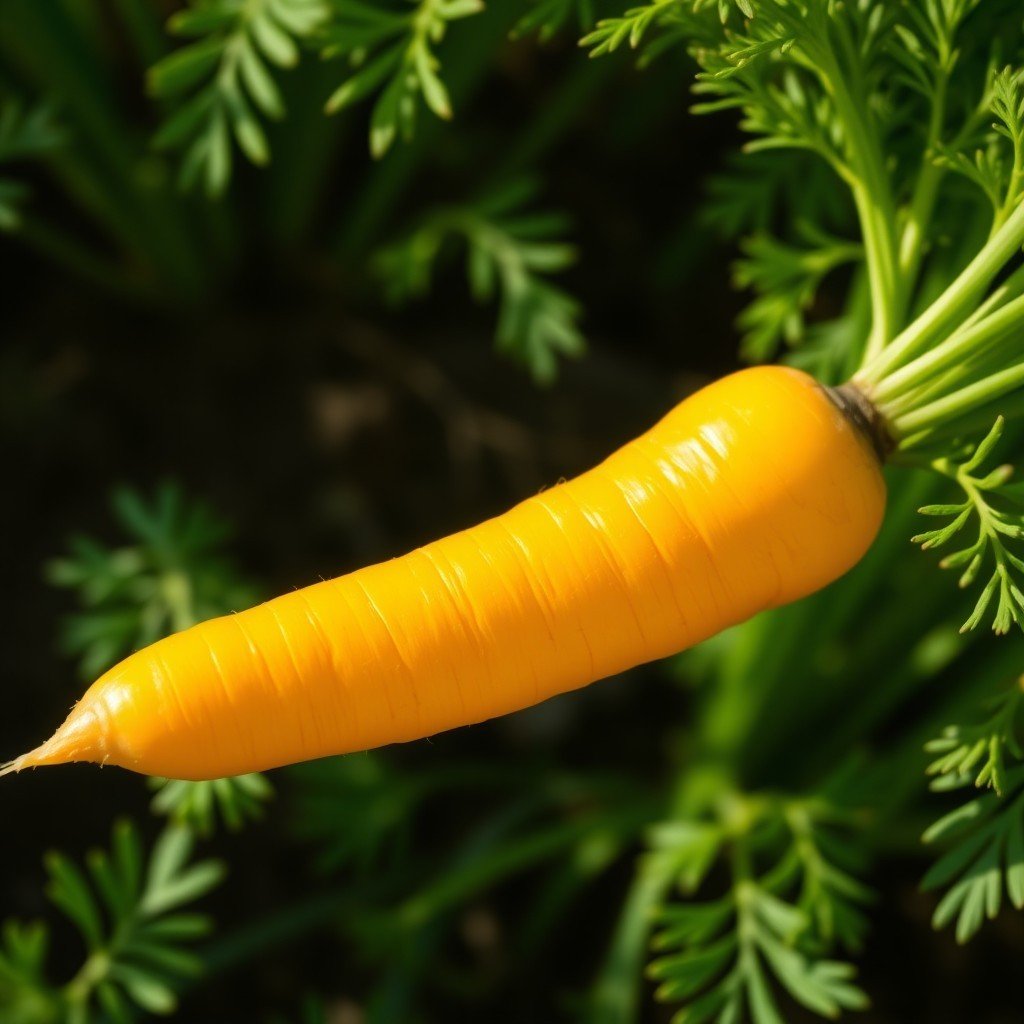
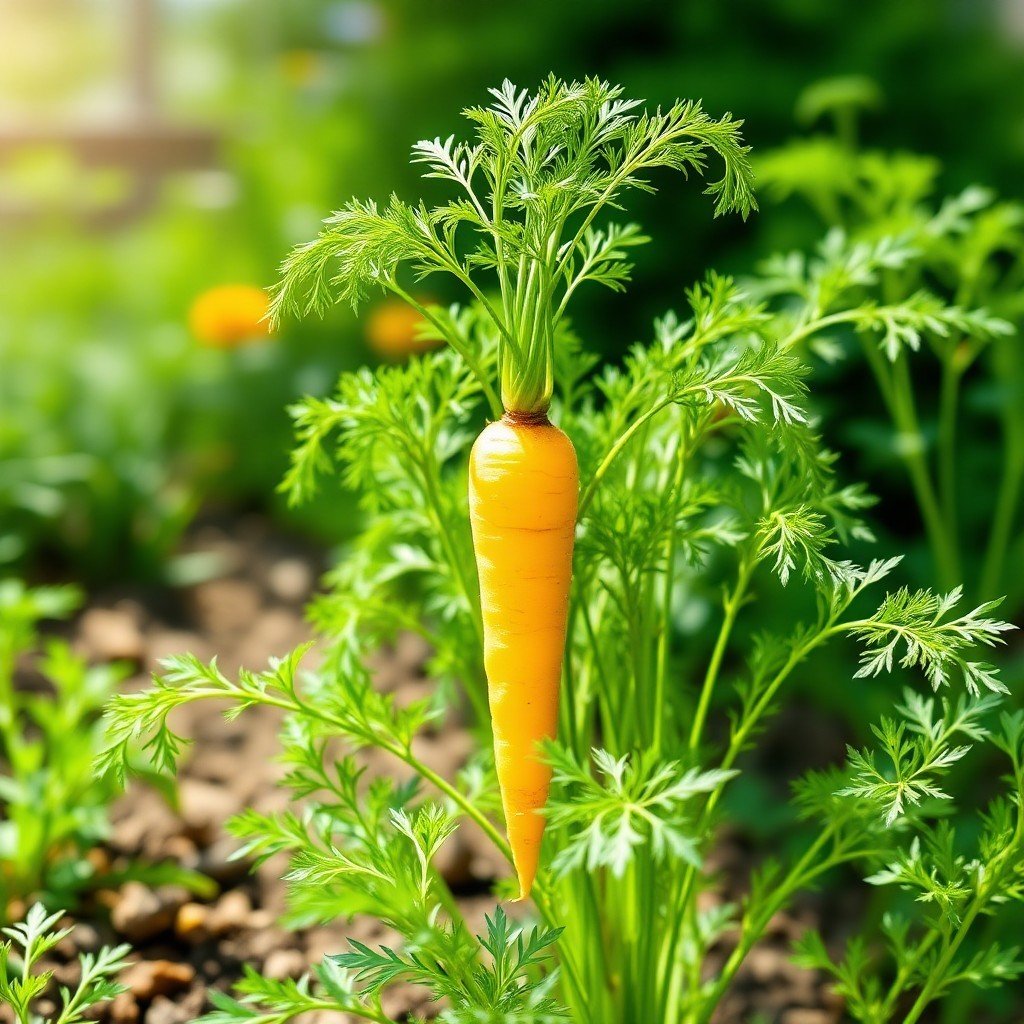
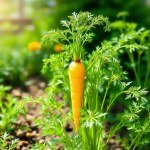
Yellow Carrots stand out for their bright golden-yellow roots and a gentle, naturally sweet flavour that is a little softer and less earthy than the familiar orange types. The smooth, tapering roots hold their warm colour beautifully when cooked, making them a favourite for colourful roasts, fresh salads, and crisp homemade pickles. Whether you mix them with other carrot colours on a serving plate or use them on their own, they add a cheerful golden glow and a mellow sweetness to the table.
Planting
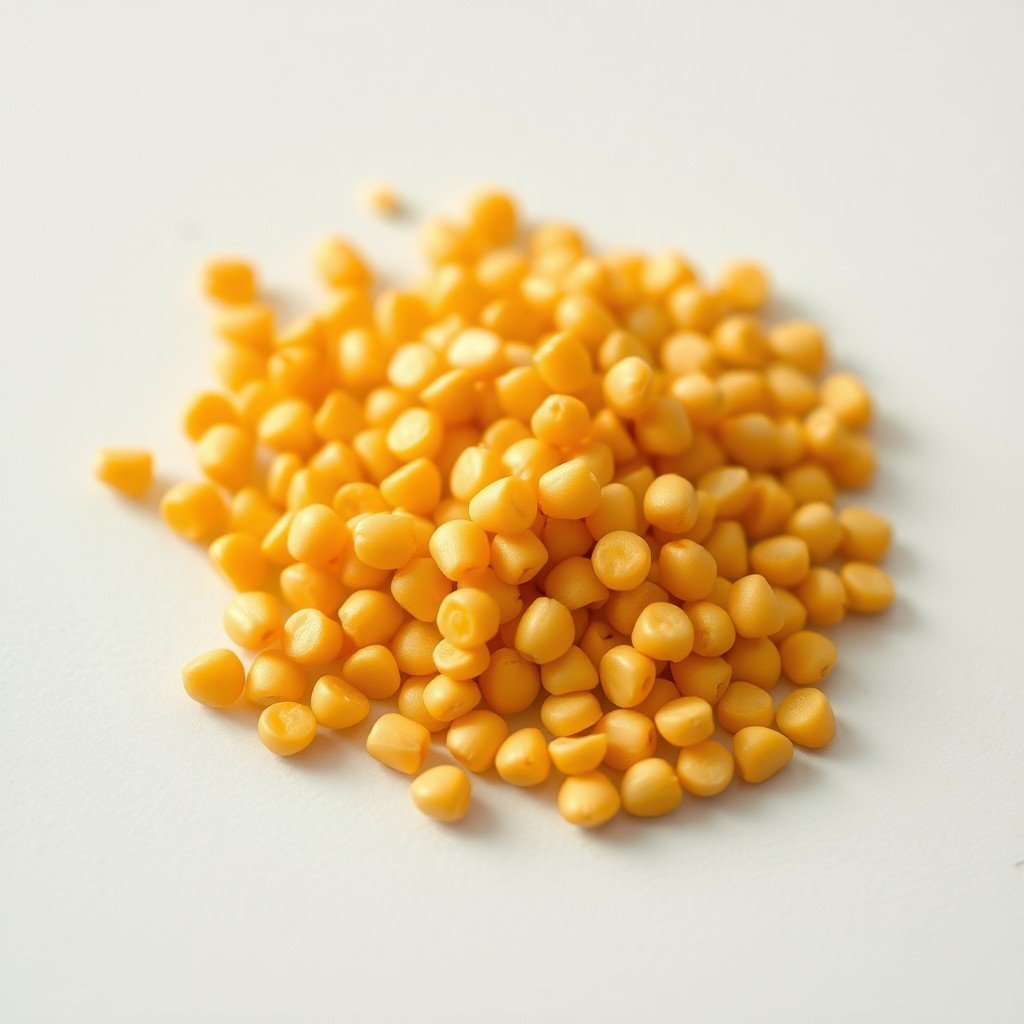
This is a cool-season root crop that grows best in the milder parts of the year and dislikes hot weather. Sow the seed directly where it will grow, because carrots form a taproot that is easily damaged by transplanting. Cover the seed shallowly with about 0.6-1.3 cm (roughly 1 cm) of soil in a shallow drill, and keep the surface from crusting over before the seedlings emerge; a fine layer of sand, vermiculite or compost over the row helps. Choose deep, loose, well-drained sandy loam free of stones, with a slightly acidic to neutral pH of about 6.0-6.8, since loose soil gives straight, smooth roots while stones and clods cause forking. Give the plants full sun, at least 6 hours of direct light a day and ideally 8-10 hours. Germination is slow and uneven, usually taking 14-21 days; seeds sprout best when the soil is around 13-18 C, while soil above about 27 C sharply reduces germination. For a steady supply, sow in succession every 3-4 weeks through the cool season.
Fertilizing
Yellow Carrots have a light-to-medium appetite for nutrients. Before sowing, work well-rotted manure or compost into the soil, and avoid heavy nitrogen, which encourages leafy tops and forked, hairy roots rather than good carrots. As the crop grows, a single side-dressing of nitrogen does the job: apply about 60 mL of a nitrogen fertilizer such as 21-0-0 per 3 m of row, roughly 6 weeks after the seedlings emerge, placed to the side of the plants and watered in.
Care
Keep moisture steady and even, supplying roughly 2.5 cm of water per week from rain or irrigation. Water deeply about once a week on heavier soils and twice a week on sandy soils, and keep the surface moist through the long germination period. As harvest nears, ease back on watering to help prevent the roots from cracking. Thin the seedlings once the tops are about 5-10 cm tall, spacing them to a final 4-8 cm apart in rows about 30-45 cm apart; wider spacing gives larger roots, and snipping rather than pulling avoids disturbing the neighbours. Watch for carrot rust fly, whose larvae tunnel into the roots, along with wireworms, cutworms and root maggots, and protect young seedlings from slugs and snails. Aster yellows, spread by leafhoppers, can cause hairy, bitter roots, while Alternaria and Cercospora leaf blights affect the foliage. Roots are generally ready about 65-100 days from sowing; lift them at a usable size, ideally before they push much past 2.5 cm across, and watering the day before makes lifting easier.
Growing in Egypt: Carrots are a cool-season crop best grown as a winter vegetable in Egypt, which suits the mild winters and avoids the germination failure that strikes once the soil rises above about 27 C. In the Nile Delta and Lower Egypt, the main sowing window runs from roughly late August or September through November, with harvest from about November into April; sowing in September-October lets seedlings establish as the worst summer heat breaks and mature through the cool winter for sweet, well-coloured roots. In the warmer, drier conditions of Upper Egypt, push the sowing later into the cooler part of autumn and early winter, roughly October through December, so the seed is not forced to germinate in still-hot soil. As a general rule across Egypt, sow autumn into early winter rather than spring or summer, use succession sowings every 3-4 weeks for a continuous harvest, provide reliable irrigation of about 2.5 cm per week (more often on sandy soils), keep the seedbed moist and crust-free during the slow germination, and go easy on nitrogen to avoid forked, leafy roots.