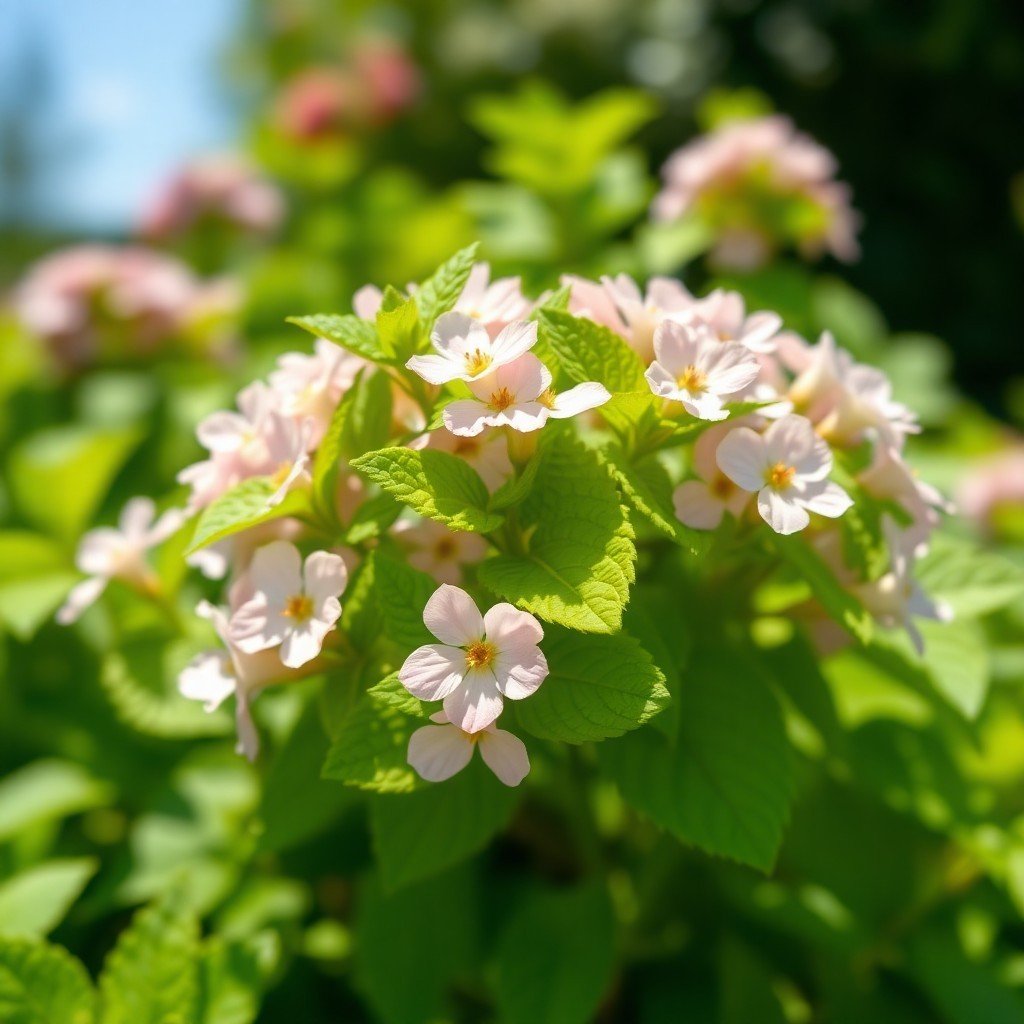
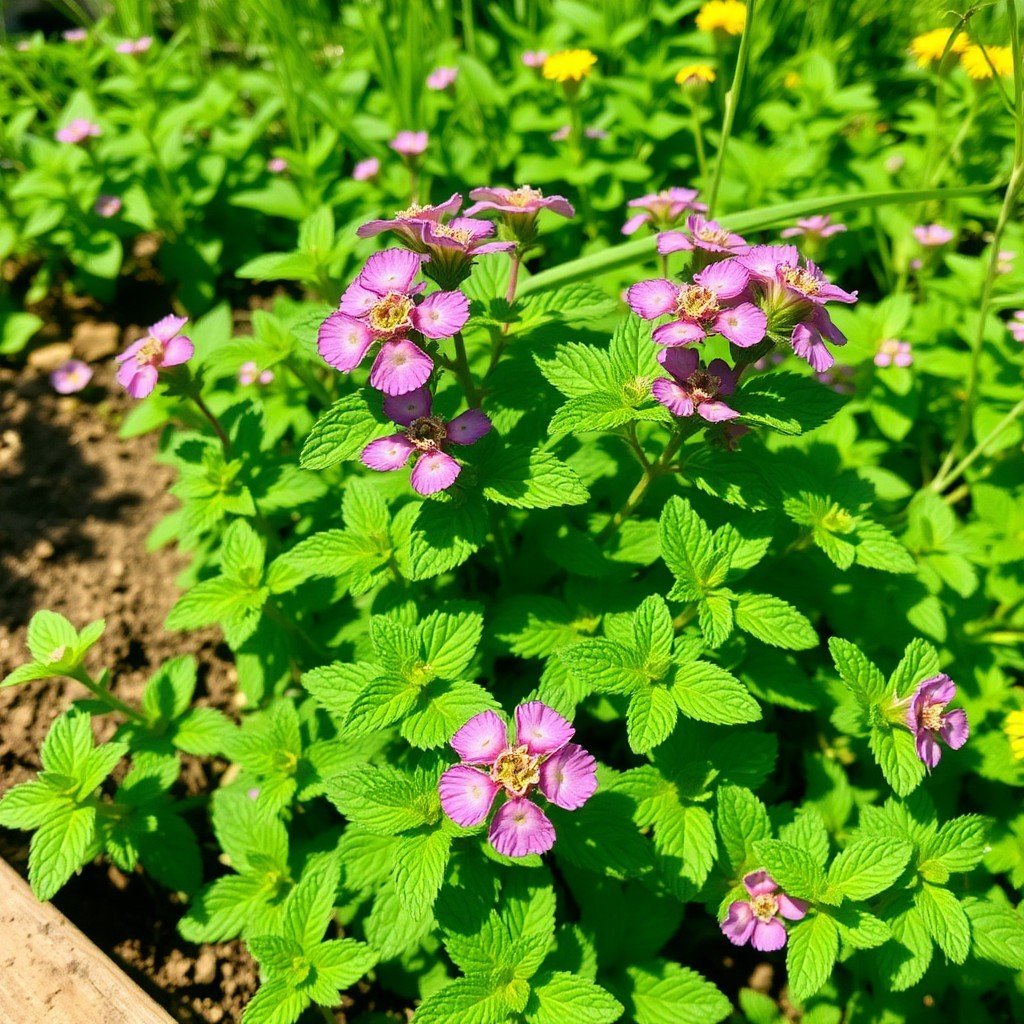
Mint (Mentha) is one of the most loved kitchen herbs, prized for its cool, refreshing menthol aroma and bright green, crisp leaves. A single plant fills a corner of the garden with fragrance and gives you the unmistakable flavour behind a glass of Egyptian tea, a fresh tabbouleh or a summer lemonade. As a hardy perennial it spreads steadily and bounces back after every cutting, so a few plants keep you in fresh leaves for months. Whether you grow it for the kitchen, for cooling drinks, or simply for its scent, mint is a generous, easy companion in any home garden.
Planting
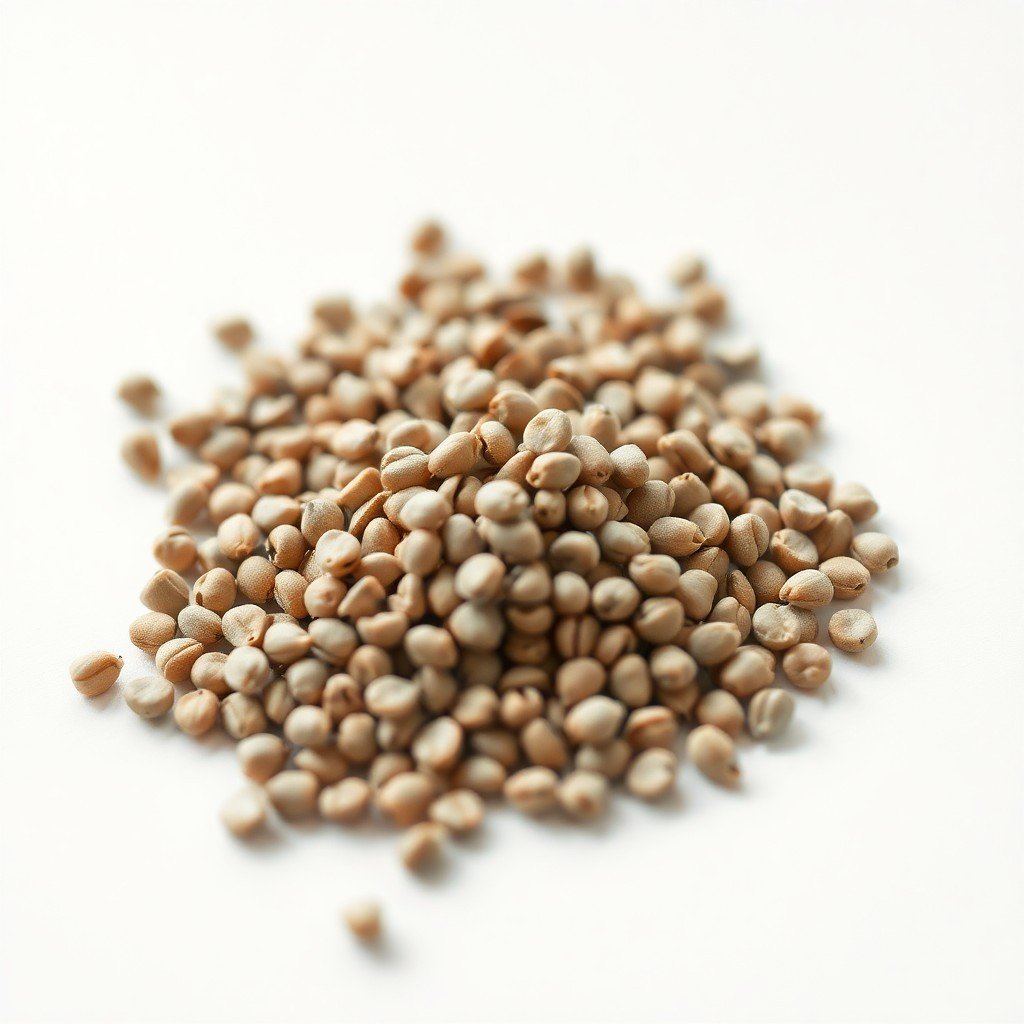
Mint is most reliably grown from divisions or cuttings rather than seed. You can split a mature clump or root a piece of stem or runner (stolon) to start a new plant; established clumps are best divided in spring or autumn. If you prefer to start from seed, sow indoors in spring about 6 to 8 weeks before your transplanting date and move plants out only after the danger of frost has passed. Mint seed needs light to germinate, so press the seed onto the surface of the growing medium and do not cover it, keeping the mix moist and lit. Seeds usually sprout in about 10 to 14 days at roughly 20 to 24 C. Pot seedlings into a 7.5 cm pot once they have several leaves. Give each plant about 30 to 45 cm of space, with rows around 45 cm apart, as mature mint reaches roughly 45 to 90 cm tall and spreads aggressively by underground runners. Choose a spot in full sun to partial shade with at least 4 to 6 hours of sun a day; mint grows in sun or shade but is most productive in full sun. In Egypt the best times to establish new plants are autumn (September to November) and late winter to early spring (February to March), avoiding planting into the peak summer heat.
Fertilizing
Mint prefers rich soil that is high in organic matter, so work plenty of compost or well-rotted manure into the bed before planting; this feeds the plant and improves drainage at the same time. Aim for a slightly acidic soil pH of around 6.0 to 6.5. In well-amended ground mint often needs no extra fertilizer at all. Where you do feed, apply nitrogen from spring into early summer to match the plant's active growth. Go easy with it, though: too much nitrogen pushes soft, weak growth that attracts spider mites and aphids and can make disease worse.
Care
Keep the root zone consistently moist but never waterlogged, and don't let the plant wilt between waterings. Water the soil directly rather than the leaves to cut down on leaf disease, water deeply instead of giving frequent light sprinklings, and use drip irrigation in preference to overhead sprinklers. Watch for mint rust, aphids, spider mites (which thrive in hot, dry conditions and where nitrogen is excessive), and the soil-borne verticillium wilt; a strong spray of water or insecticidal soap dislodges aphids and mites, and using clean, disease-free planting stock helps against verticillium. Harvest runs from late spring through autumn: pick individual leaves or shoot tips once the plant is established, as the young, soft tips carry the most intense flavour. Cut often to keep growth bushy, and pinch out flower spikes to preserve leaf flavour. For drying or the strongest aroma, cut the whole plant just as the flower buds begin to appear, then cut it back to about 5 cm from the base after flowering to bring on fresh new growth. Divide the plant every 3 to 4 years to keep it vigorous.