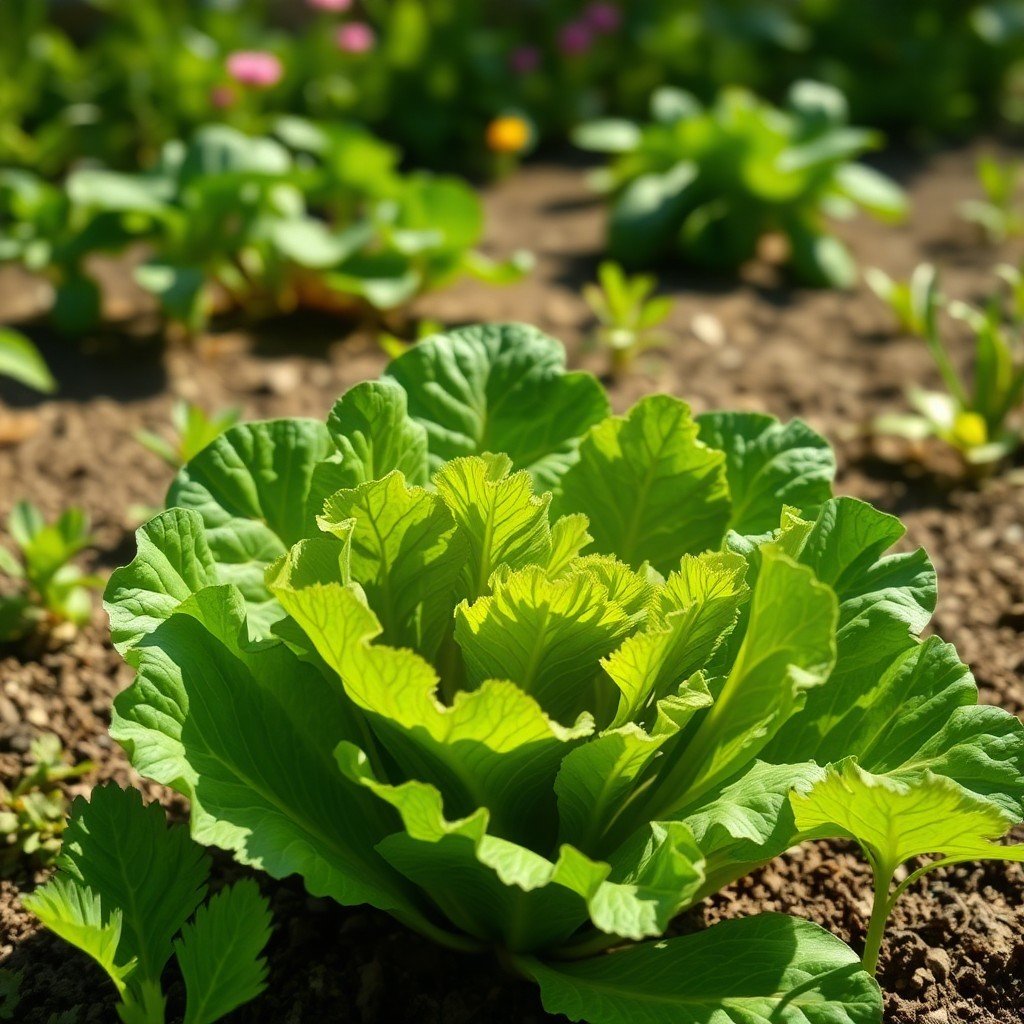
Baladi lettuce is the everyday Egyptian favourite: long, upright leaves that stay tender and mildly sweet, carried on crisp pale ribs that give every bite a satisfying crunch. Less bitter than many heading types and quick to mature, it is the lettuce of choice for fresh salads, sandwiches and the classic wrap, and its loose, open habit means you can pick a few outer leaves at a time and keep the plant producing. Grown in the cool, mild weather it loves, Baladi lettuce delivers leaves that are sweet rather than sharp.
Planting
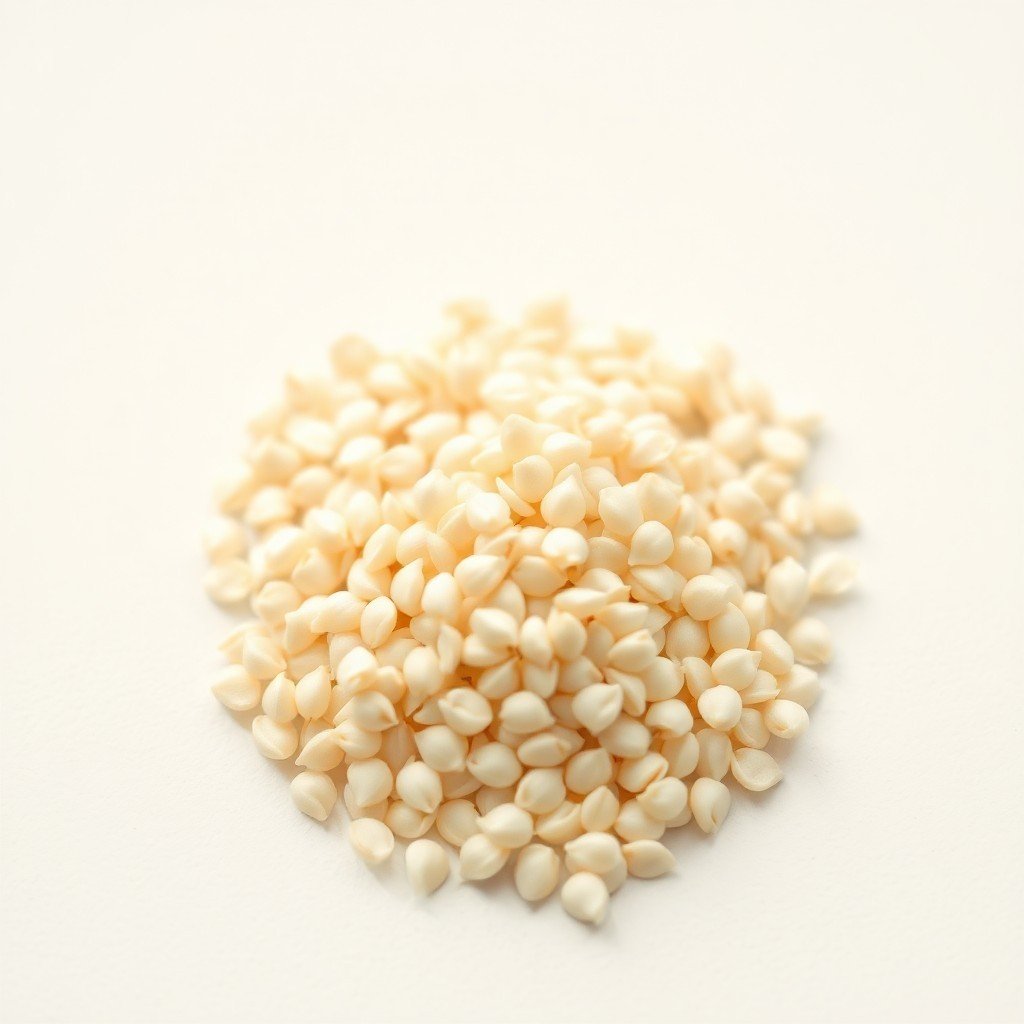
Lettuce is a cool-season crop, so time it to mature before hot weather arrives. In Egypt the natural season is the cool half of the year: in the Nile Delta sow from roughly late September through February, making successive sowings every two to three weeks for a continuous supply, while in hotter Upper Egypt a shorter window of about November through January works best. Avoid sowing from May to September, when soil temperatures routinely exceed 27°C and trigger poor germination and rapid bolting. Direct-sow shallowly, only about 0.6 to 1.3 cm deep, and cover lightly because lettuce seed needs light to germinate. Seeds sprout best at around 16 to 20°C and germinate poorly below 10°C or above roughly 24 to 27°C. For the warm shoulder months, sow in the evening, water with cold water and provide a little shade to cool the soil. Space loose-leaf plants about 10 to 25 cm apart in the row (around 13 cm for baby-leaf), with rows roughly 45 to 75 cm apart.
Fertilizing
Lettuce has a medium-to-high appetite for nutrients. Work plenty of compost or organic matter into the bed before planting. As a guide, a complete balanced fertilizer such as 10-10-10 can be applied at about 1 kg per 9.3 m² before planting, then side-dress with nitrogen once plants reach about 10 cm tall, at roughly 0.45 kg per 7.6 m of row. If your soil is already fertile, ground-grown lettuce often needs no extra feeding at all; lettuce grown in containers benefits from a general-purpose liquid feed every two weeks during the warmer part of the season.
Care
Keep the soil consistently moist to drive fast, tender growth and discourage bolting — about 2.5 cm of water per week is enough, with a little more on sandy soils. Water frequently and lightly, ideally overhead in the morning, and avoid overwatering, which invites root and leaf diseases; containers may need daily watering in warm weather. Lettuce grows well in full sun during the cool months but tolerates partial shade of four to six hours of direct light, and light shade during the hottest part of the day helps prevent bolting. Thin seedlings while they are still small to their final spacing, clipping unwanted ones with shears rather than pulling. Watch for aphids, cutworms, slugs and snails, flea beetles and leafhoppers, along with downy mildew and grey mould in cool, damp conditions; floating row covers help keep pests out, and avoiding late-day overhead watering reduces disease. Harvest in cool weather and on the early side: pick single outer leaves as needed, or cut the whole plant at the soil line once it reaches about 13 to 15 cm. Loose-leaf types reach full size in around 50 to 60 days, and harvesting promptly keeps the leaves sweet, since heat and over-maturity turn them bitter and prompt bolting.