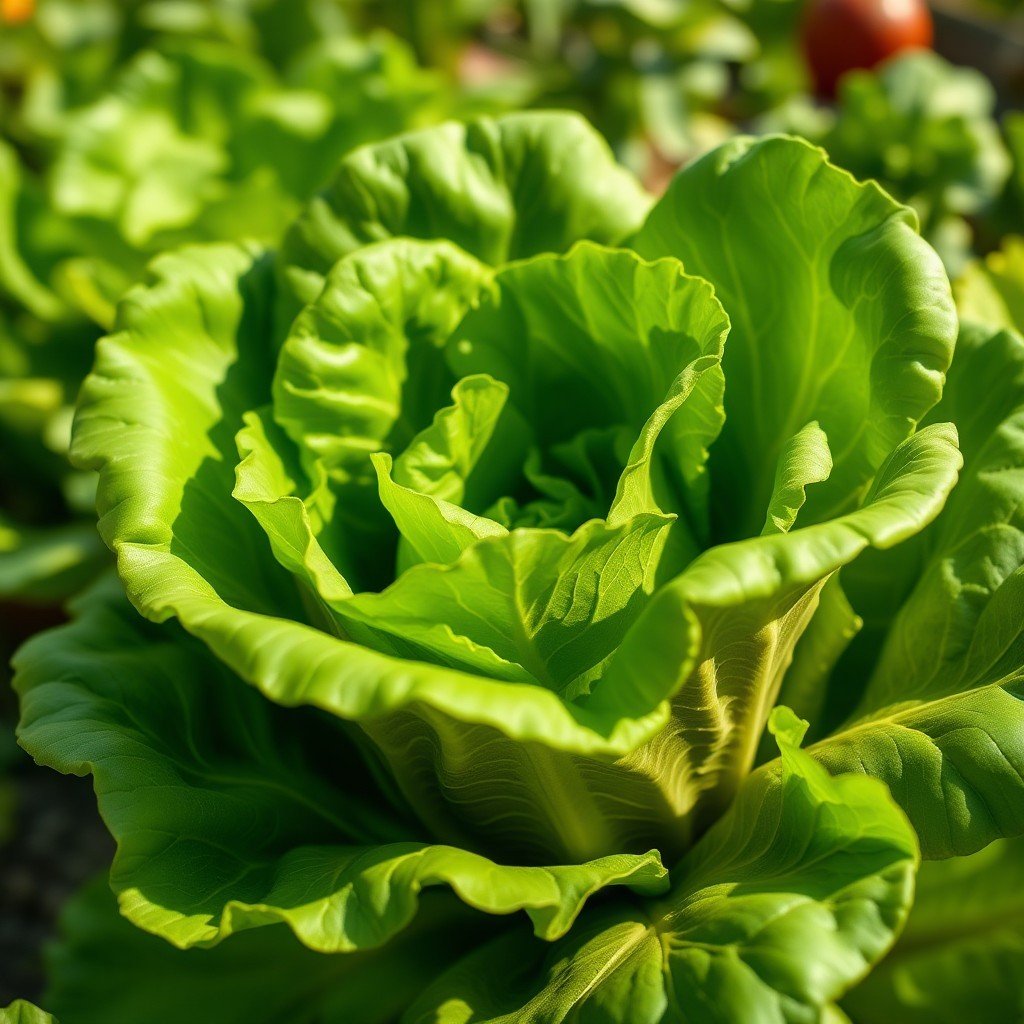
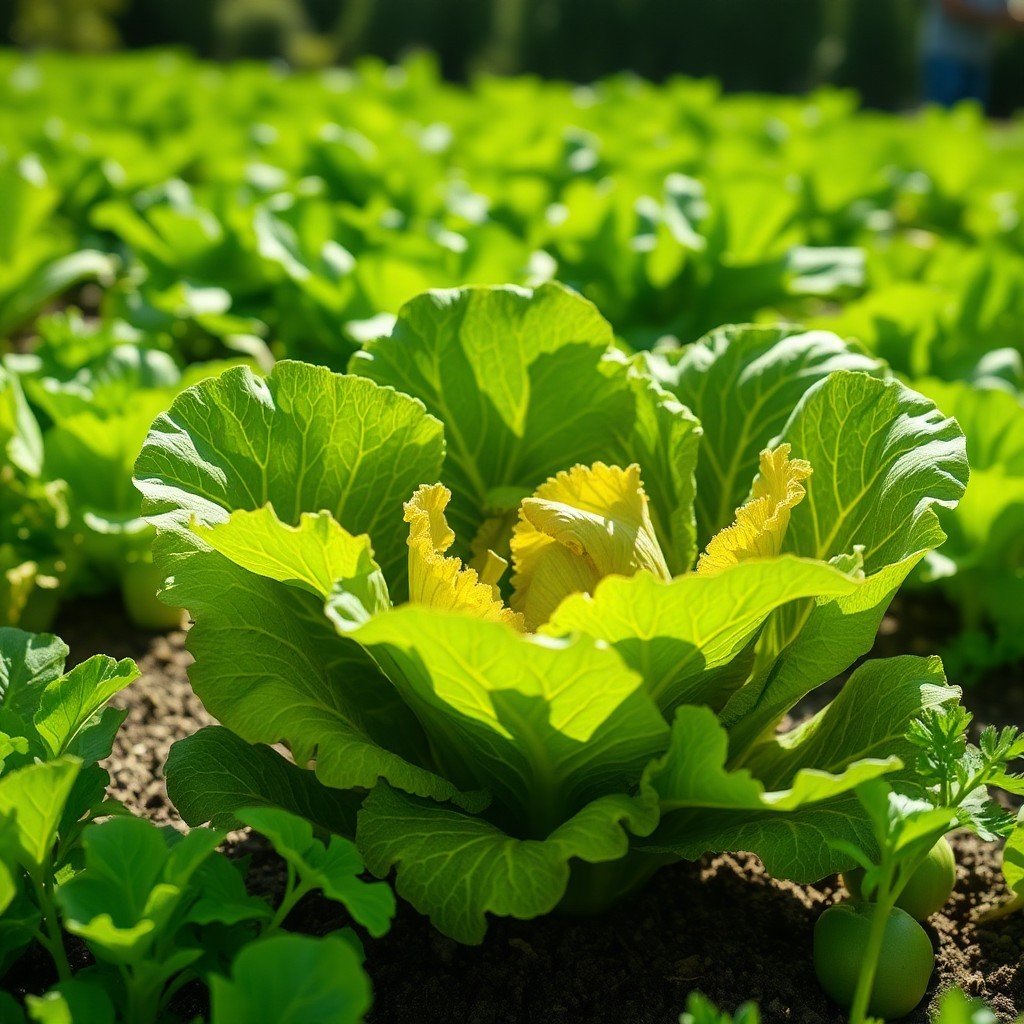
Dutch lettuce is prized for its crisp, tender leaves and clean, mildly sweet flavour that makes it a kitchen favourite. The fresh green, gently ruffled foliage stays succulent and snappy, which is exactly what you want layered into a salad bowl, tucked into a sandwich, or used as a crunchy garnish. It is one of those everyday greens that earns its place at the table for its texture and refreshing taste rather than any single showy trait.
Planting
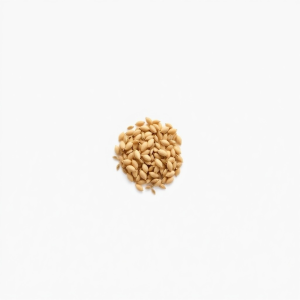
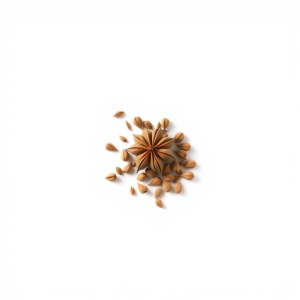
Lettuce is a cool-season crop, so timing matters more than anything else. In Egypt the mild winter is the natural lettuce season: across the Nile Delta the main sowing window runs roughly from late September through February, with successive sowings every two to three weeks for a continuous harvest, while the December–January core gives the most reliable hearting because temperatures sit near the ideal cool range. In Upper Egypt, shift the window slightly later and shorter — roughly November through January — to dodge lingering autumn heat and the risk that warm spells trigger early bolting. Avoid sowing from May through September, when soil temperatures routinely exceed 27°C, causing poor germination and rapid bolting. Sow shallowly, only about 0.6–1.3 cm deep, covering the seed only lightly because lettuce needs light to germinate. Seeds sprout best at around 13–18°C, with an optimum near 16–20°C; germination is poor below 10°C or above roughly 24–27°C. During a warm shoulder spell, sow in the evening, water with cold water, and provide shade to cool the soil. Space loose-leaf plants about 10–25 cm apart in the row (around 13 cm for baby leaf), with rows roughly 45–75 cm apart.
Fertilizing
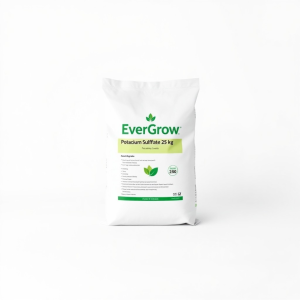
Lettuce has a medium-to-high nutrient demand, so begin by working compost or organic matter into the bed before planting. For a reliable feed, apply a complete balanced 10-10-10 fertilizer before planting, then side-dress with nitrogen once plants reach about 10 cm tall. If you are growing in containers, a general-purpose liquid feed every two weeks through the warm part of the season is enough; lettuce grown in already-fertile ground often needs no extra feeding at all.
Care
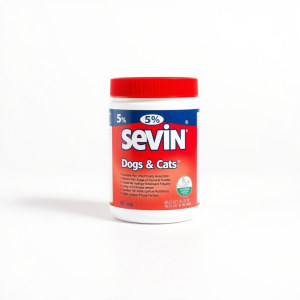
Keep the soil consistently moist to drive rapid, tender growth and to help prevent bolting — about 2.5 cm of water per week is usually adequate, with more on sandy soils. Favour frequent, light watering in the morning and avoid overwatering, which encourages root and leaf disease; containers may need daily watering in hot weather. Lettuce grows well in full sun during the cooler months but tolerates partial shade of four to six hours of direct light, and light shade during the hottest part of the day helps prevent bolting. Thin seedlings while they are still small, clipping unwanted ones with shears rather than pulling. Watch for aphids, cutworms, slugs and snails, flea beetles, and leafhoppers, along with downy mildew, grey mould, and lettuce mosaic virus; floating row covers help exclude pests, and avoiding overhead watering late in the day reduces disease. Harvest in cool weather and earlier rather than later: pick single outer leaves at usable size, or cut the whole plant at the soil line when it reaches about 13–15 cm tall, since heat and over-maturity turn the leaves bitter and prompt bolting.