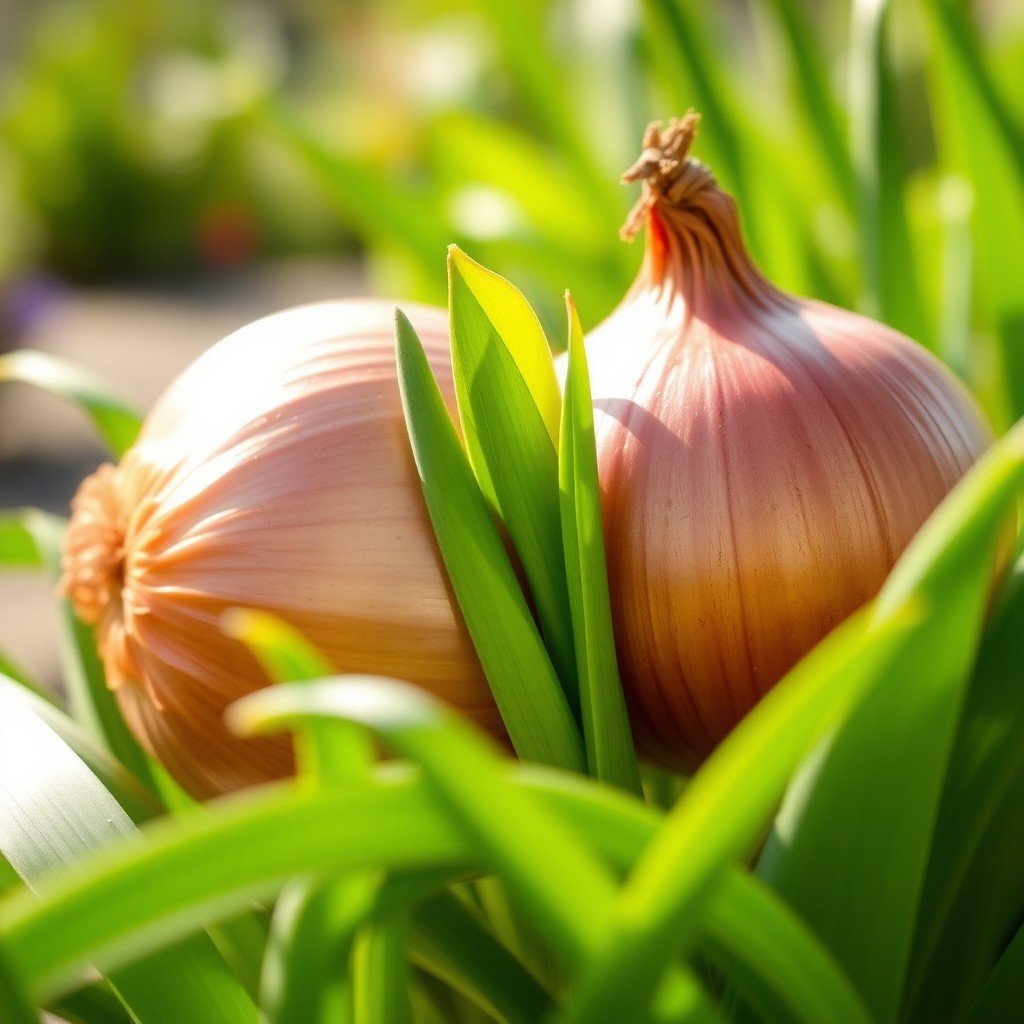
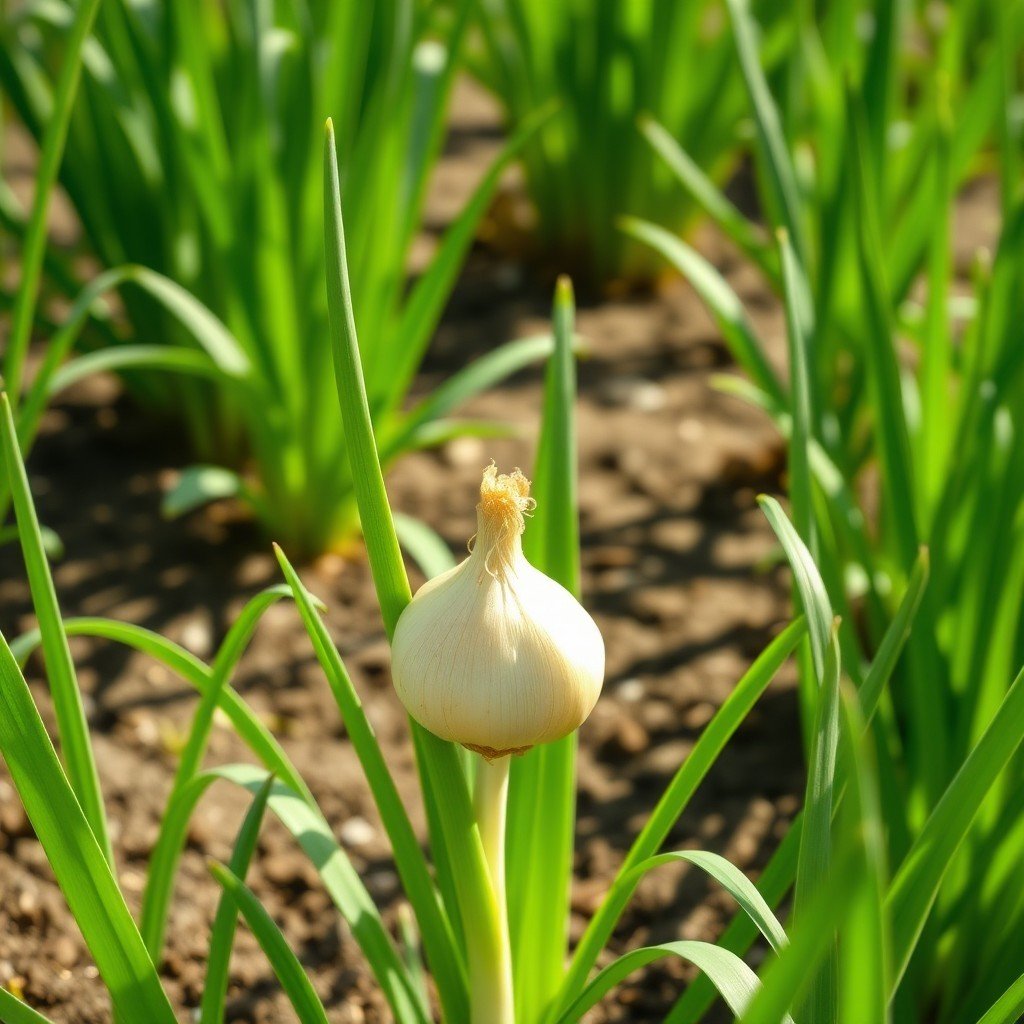
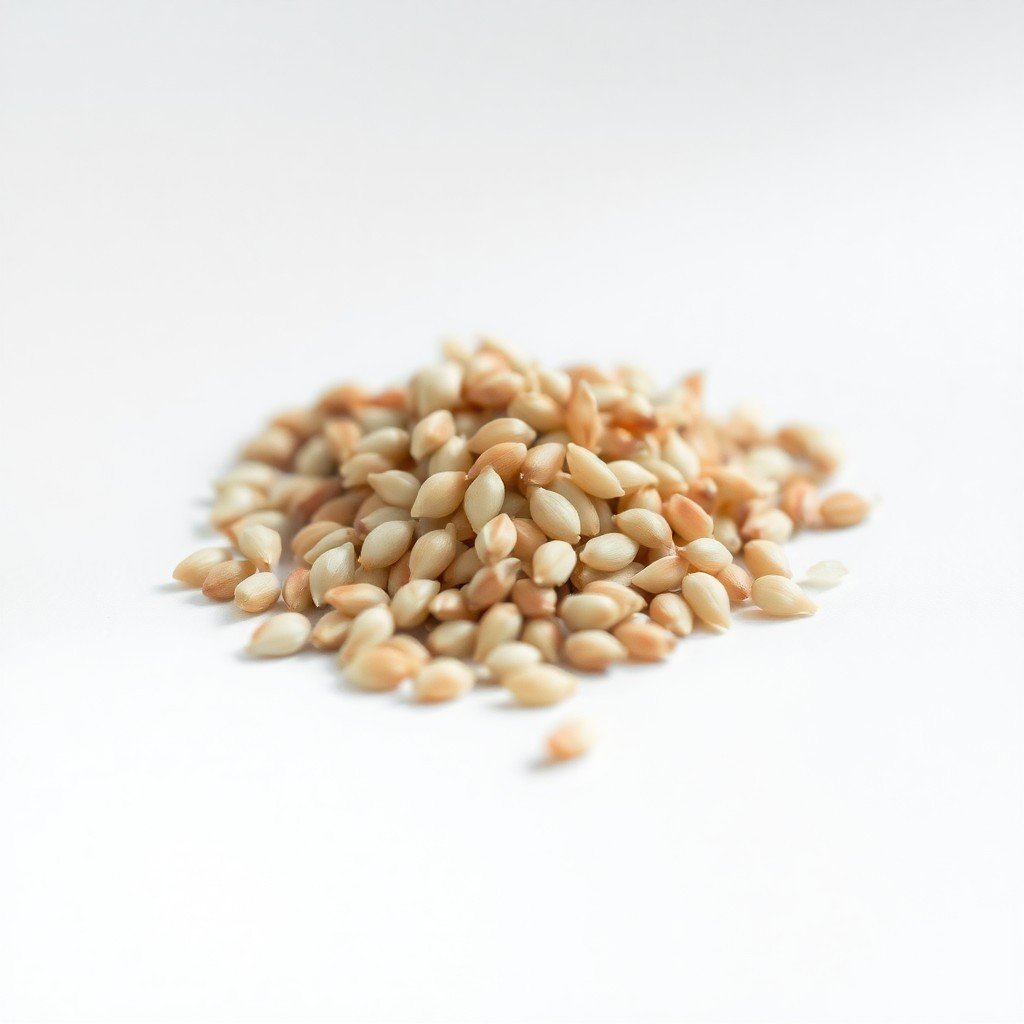
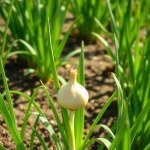
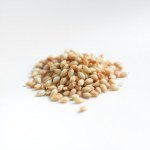
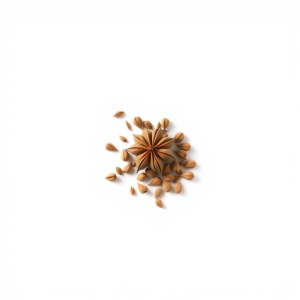
Onion Seeds 750 give you one of the kitchen's most indispensable crops grown straight from your own bed. Onion forms a firm, layered bulb with crisp flesh and protective papery outer skins, and its flavour ranges from mild and sweet to sharply pungent once cooked, making it the foundation of countless everyday dishes, sauces, salads and slow-cooked bases. Because bulb formation in onions is triggered by daylength, this is a crop best grown as a short-day type at Egypt's low latitude, where bulbing begins at only about 11 to 12 hours of daylight — exactly the conditions that let it swell into full, well-keeping bulbs through the cool season.
Planting
Onion is a cool-season crop, so in Egypt the practical method is to raise it in a nursery and then transplant. Sow seed in a nursery bed in autumn, from about mid-September to mid-October, keeping the soil at an optimum germination temperature of 15 to 25 C; seedlings usually emerge within about 2 to 3 weeks. Sow the seed 0.6 to 1.3 cm deep outdoors, or about 1.9 cm deep when starting under cover. Give the plants a full-sun position, and be sure to use a short-day variety to suit the low latitude — long-day types would only make leaves and never bulb. Transplant the pencil-thick seedlings around mid-November, roughly 30 to 35 days after sowing, setting them about 5 cm deep. Space the plants 7.6 to 10 cm apart in rows 20 to 46 cm apart; wider in-row spacing up to about 15 cm produces larger bulbs, while closer spacing yields smaller ones.
Fertilizing
Onions do best in soil with a pH of 6.0 to 7.0 and plenty of organic matter. Before planting, work fertilizer into the top 15 cm or so and add phosphorus and potassium according to a soil test. Through the vegetative winter period, side-dress with nitrogen to keep growth steady. The key point for good bulbs is timing: stop applying nitrogen once bulbing begins in late winter, because excess nitrogen at that stage delays bulb maturity and leaves you with soft bulbs.
Care
Keep the soil consistently moist near field capacity, supplying roughly 2.5 cm of water per week and wetting down to about 30 cm depth; across the full season onions need around 350 to 550 mm of water. The crop is most sensitive to water shortage at transplanting and during bulb enlargement, about 60 days after transplanting. Once the bulbs reach full size and the tops begin to fall, stop watering. Onion is sensitive to soil salinity, so use good-quality irrigation water and well-drained beds. Watch for onion thrips and onion maggot, and for diseases such as neck rot, basal rot, pink root, downy mildew, purple blotch and white rot; avoiding excess nitrogen and rotating crops both help reduce disease pressure. Harvest when about half the tops have fallen over and dried, the necks have softened, and the papery outer skins have formed — yellowing and toppling foliage is the clearest sign the bulbs are mature, generally from around March to May.