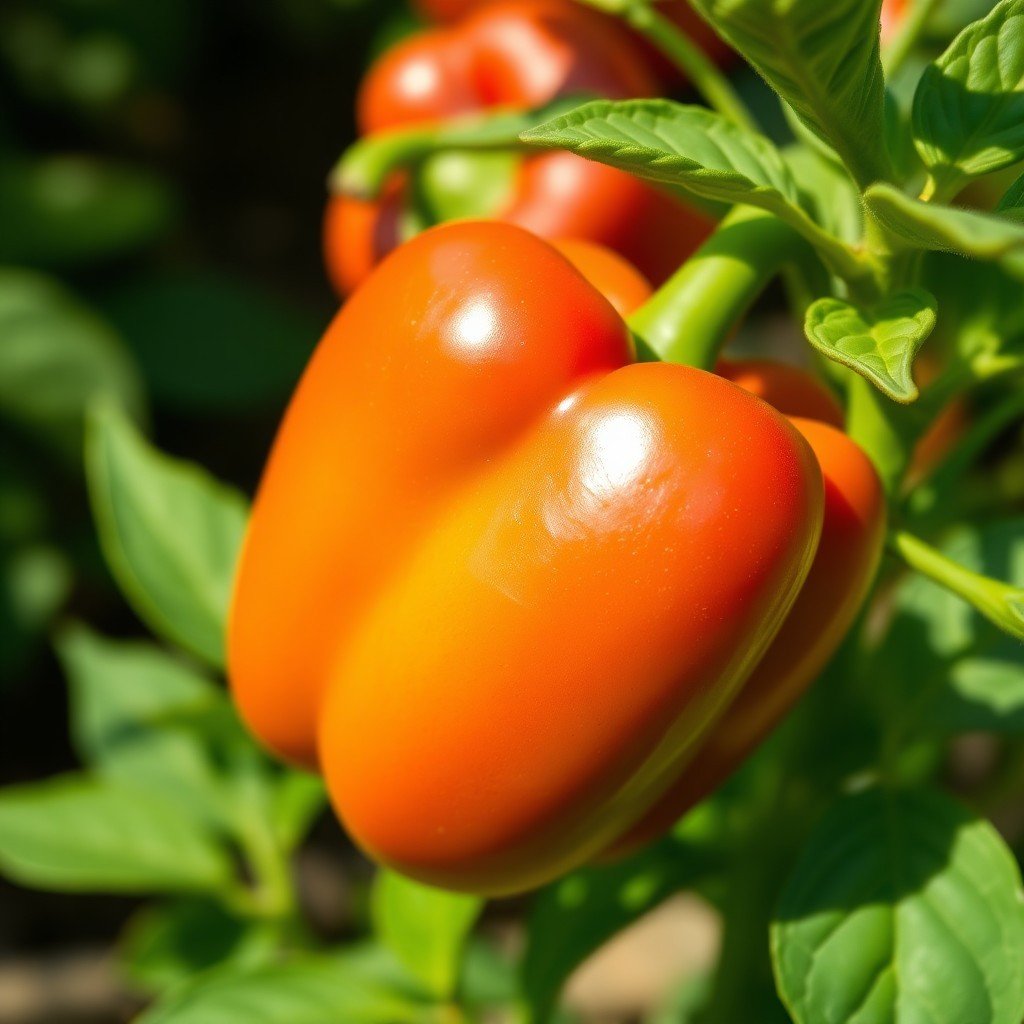
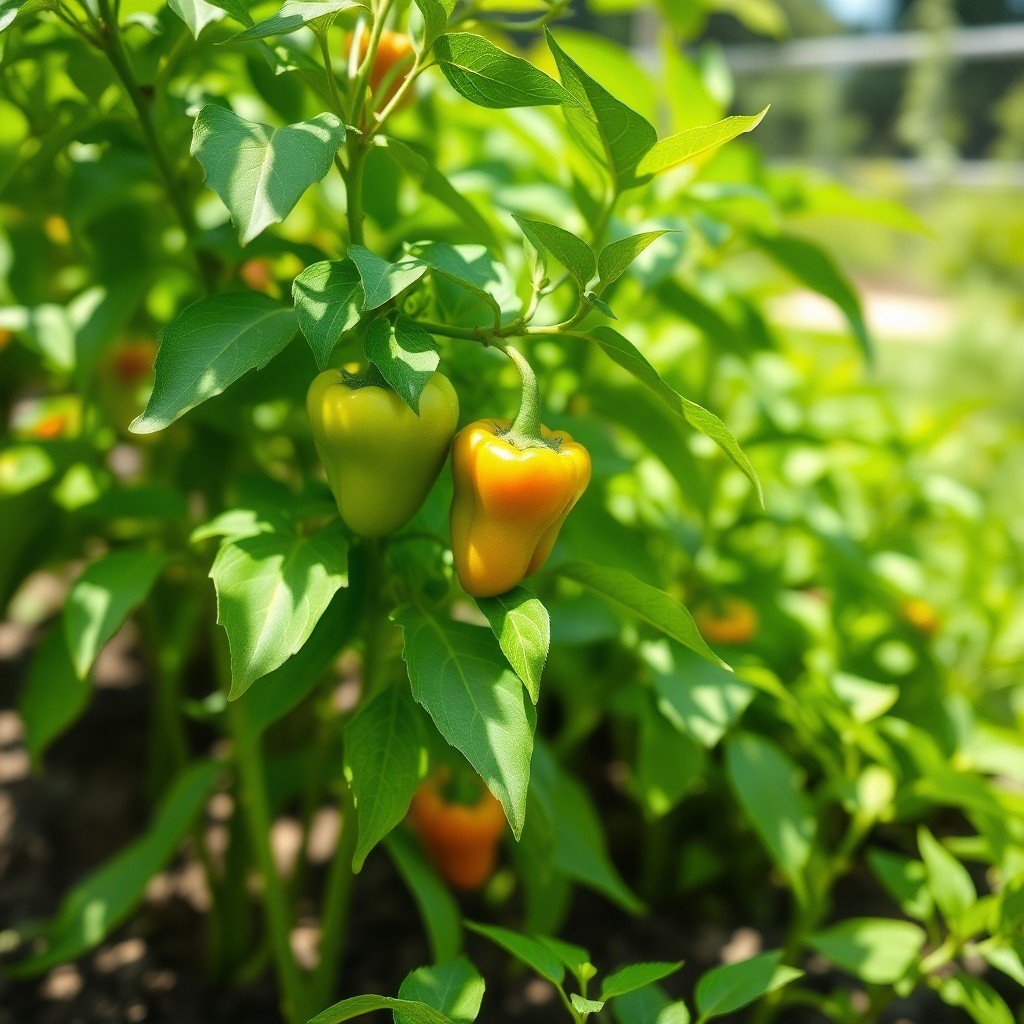
Sweet pepper (Capsicum annuum) is the mild, no-heat member of the pepper family, prized for its thick, crisp, juicy walls and clean sweet flavour. The blocky fruit emerges a glossy deep green and, left on the plant, ripens to red, yellow or orange, growing noticeably sweeter as it colours up. Its crunch and gentle taste make it a kitchen all-rounder, just as good raw in salads as it is stuffed, roasted, grilled or tossed into a stir-fry, while the bright ripe colours also make the plant an attractive addition to any sunny garden or balcony.
Planting
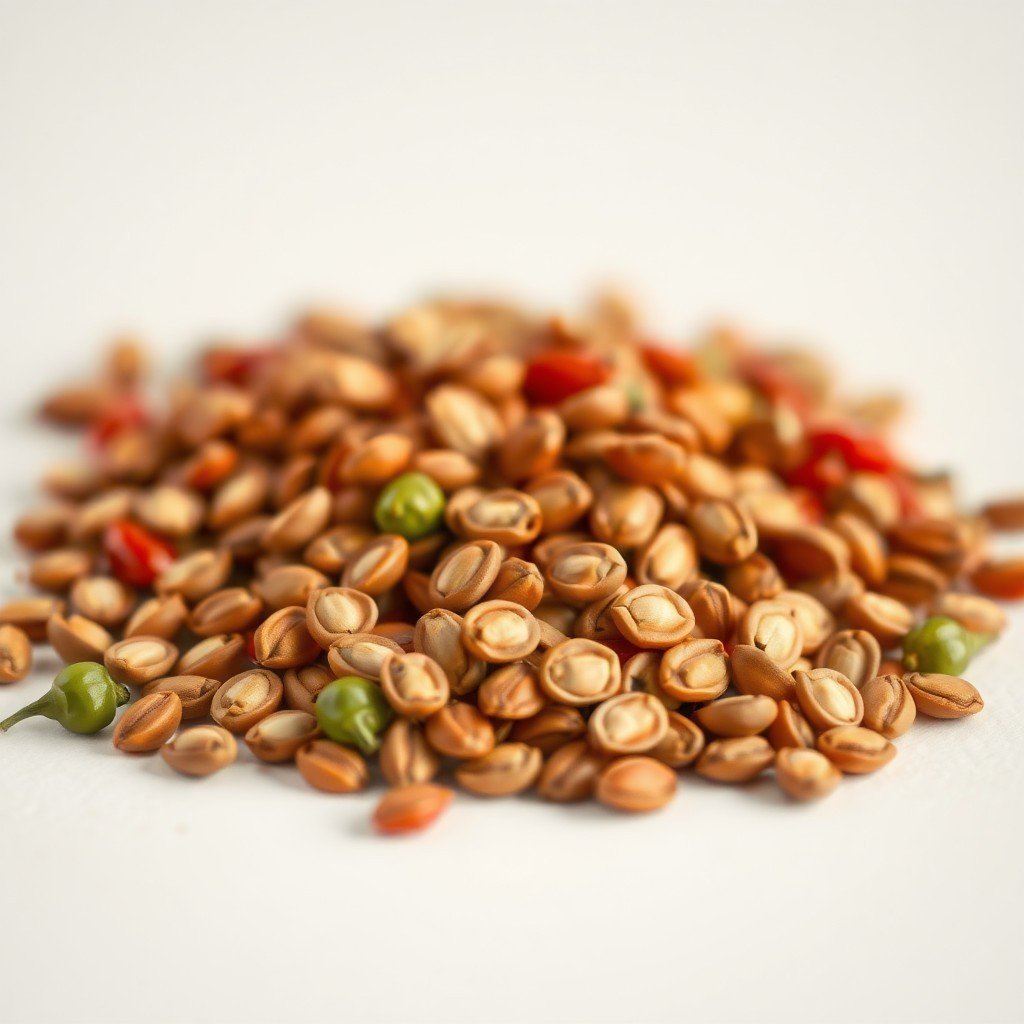
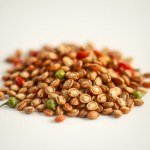
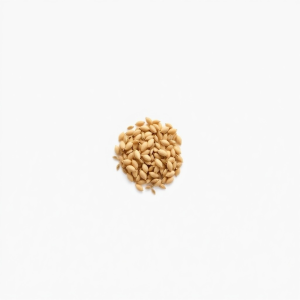
This is a warm-season crop that gets the best start indoors, sown roughly 8 weeks before you plan to move plants outside. Sow the seed about 0.6 cm deep in a sterile seed-starting mix. Warmth is the key to germination: keep the mix at about 27-32 C and seedlings usually appear in around 7-10 days, with 18-21 C being the minimum needed for the seed to wake up. Harden plants off and transplant outdoors only once all frost has passed, night-time lows stay above 10 C and the soil has warmed to about 18 C. Give each plant a sunny, sheltered spot and space them roughly 30-46 cm apart, in rows about 61-91 cm apart (compact types can go closer, around 30 cm). In Egypt, raise seedlings in a nursery in January-February and transplant in March-April once frost risk has gone; a second autumn crop can be sown in July-August and transplanted in late August-September to crop in the cooler months. In warmer Upper Egypt, shift the spring planting a little earlier, transplanting in February-March so flowering finishes before the fiercest heat.
Fertilizing
Go easy on nitrogen, as too much produces lush, leafy plants that are slow to set fruit. At transplanting, water the young plants in with a high-phosphorus starter solution to encourage strong roots. Once the first flush of peppers has set, side-dress with supplemental fertiliser, applying phosphorus and potassium according to a soil test. For peppers grown in containers, feed weekly with a high-potassium liquid fertiliser from the moment flowering begins to support steady fruiting.
Care
Peppers love full sun and crop best in air temperatures above 15 C; above about 30 C fruit set drops off, and nights below 10-13 C slow growth, so timing and a warm site matter. Aim to give the plants around 2.5 cm of water per week when rain is lacking, keeping the soil evenly moist. Drip irrigation is ideal and overhead watering is best avoided, since uneven moisture triggers flower and bud drop and blossom-end rot. After true leaves appear, thin or transplant seedlings so they stand about 5-7.5 cm apart. Watch for common pests such as aphids, cutworms, tomato hornworms, tarnished plant bugs and flea beetles, along with diseases like bacterial spot, Phytophthora and mosaic viruses; blossom-end rot and sunscald are physiological disorders to guard against with steady moisture and good leaf cover. Harvest green peppers when they reach about 8-10 cm and are firm, glossy and full-sized, or leave them on the plant to ripen to red, yellow or orange for a sweeter flavour. Pick the first fruits promptly with shears to keep more peppers setting; most varieties are ready roughly 60-90 days after transplanting.