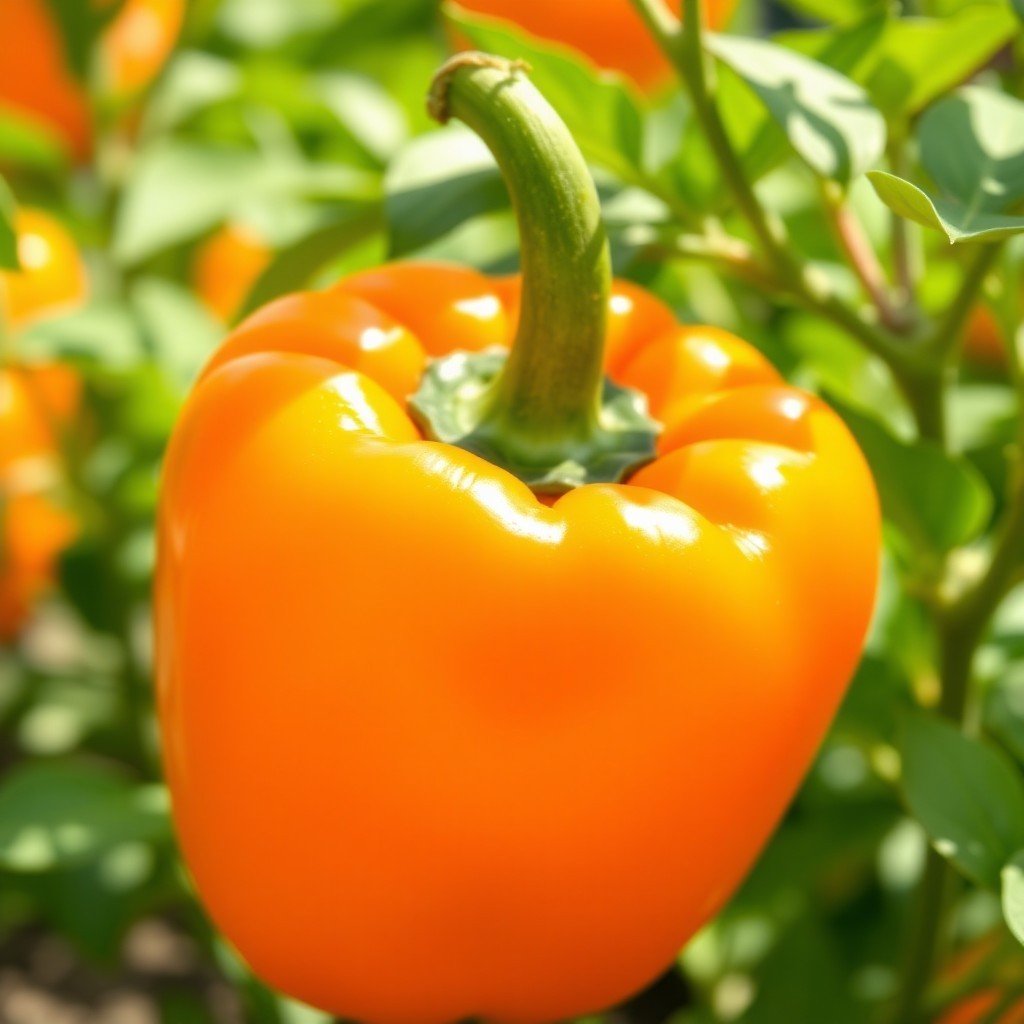
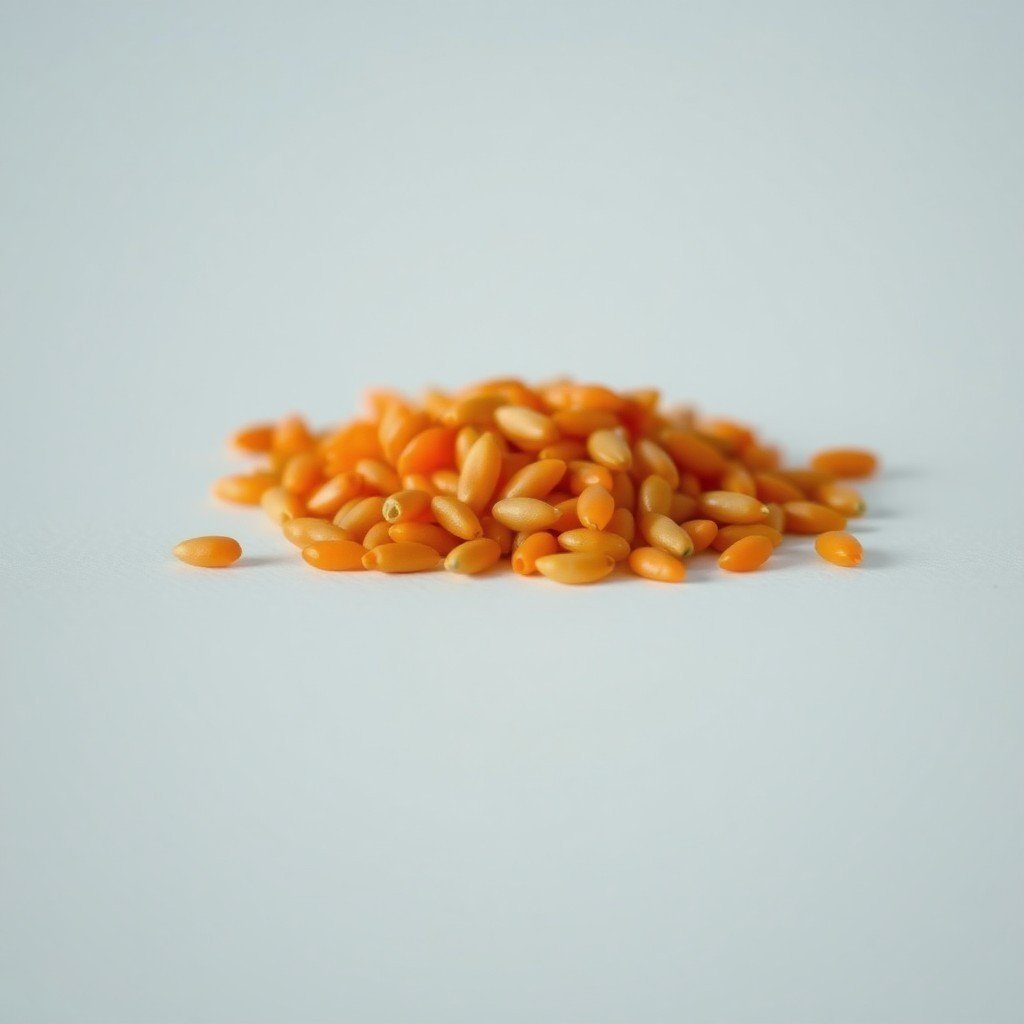
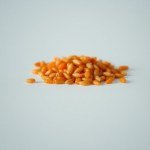
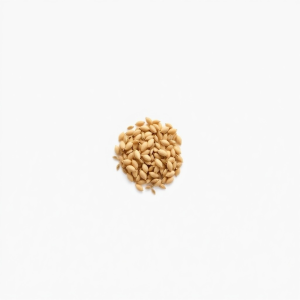
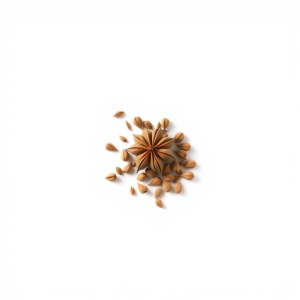
The orange bell pepper is the sweet, mellow jewel of the sweet pepper family. Left on the plant to fully colour, its blocky, lantern-shaped fruits shift from green to a glossy, glowing orange, developing a noticeably sweeter and fruitier flavour than peppers picked while still green. The thick, crisp, juicy walls make it a favourite for fresh salads and crudités, for roasting and stuffing, and for adding a bright pop of colour to stir-fries and grilled platters. These imported seeds give you a warm-season crop you can raise at home and enjoy at its sweetest stage of ripeness.
Planting
Sweet peppers are a warm-season crop, so start them indoors from seed about 8 weeks before you plan to transplant them outdoors. Sow the seeds roughly 0.6 cm deep in a sterile seed-starting mix. They germinate best in warm soil at 27-32°C, usually taking about 7-10 days to sprout; in cooler soil germination slows dramatically, so keep them warm. Once the true leaves appear, thin or prick out the seedlings to about 5-7.5 cm apart. Move them outdoors only after all frost has passed, once night-time lows stay above 10°C and the soil has warmed to about 18°C. Space the plants around 30-46 cm apart in rows 61-91 cm apart. In Egypt, the main spring/summer crop in the Nile Delta and Lower Egypt is started in the nursery or greenhouse in January-February and transplanted as 45-60 day-old seedlings in March-April, once frost risk is gone, for a harvest from late spring into early summer before the peak heat. A fall ("Nili") crop is sown in July-August and transplanted in late August-September for harvest in the cooler autumn months. In the North Delta, simple low tunnels or greenhouses also allow protected production right through the mild winter. In warmer Upper Egypt (Assiut, Sohag, Aswan), shift the spring planting a little earlier (transplant February-March) so flowering finishes before the very hot months, and favour the autumn and winter slots over summer.
Fertilizing
Go easy on nitrogen: too much produces bushy, leafy plants that set little fruit. At transplanting time, water the young plants in with a high-phosphorus starter solution to get them off to a strong start. After the first flush of peppers has set, side-dress with supplemental fertilizer, applying phosphorus and potassium according to a soil test. For peppers grown in containers, feed weekly with a high-potassium liquid fertiliser once flowering begins.
Care
Peppers need full sun and grow best when temperatures stay above 15°C; fruit set drops off above 30°C, and night temperatures below 10-13°C slow the plants down. Give them about 2.5 cm of water per week when rain is lacking, ideally through drip irrigation rather than overhead watering, and keep the soil evenly moist — uneven moisture causes flower and bud drop as well as blossom-end rot. Watch for common pests such as aphids, cutworms, tomato hornworms, tarnished plant bugs and flea beetles, and for diseases including bacterial spot, Phytophthora and mosaic viruses; blossom-end rot (linked to calcium) and sunscald are physiological disorders to guard against too. Fruits are full-sized when about 8-10 cm long, firm and glossy; for the sweet orange colour and richer flavour, leave them on the plant longer to ripen fully. Pick the first fruits promptly with shears to encourage further fruit set. Maturity runs roughly 60-90 days from transplant, depending on conditions.