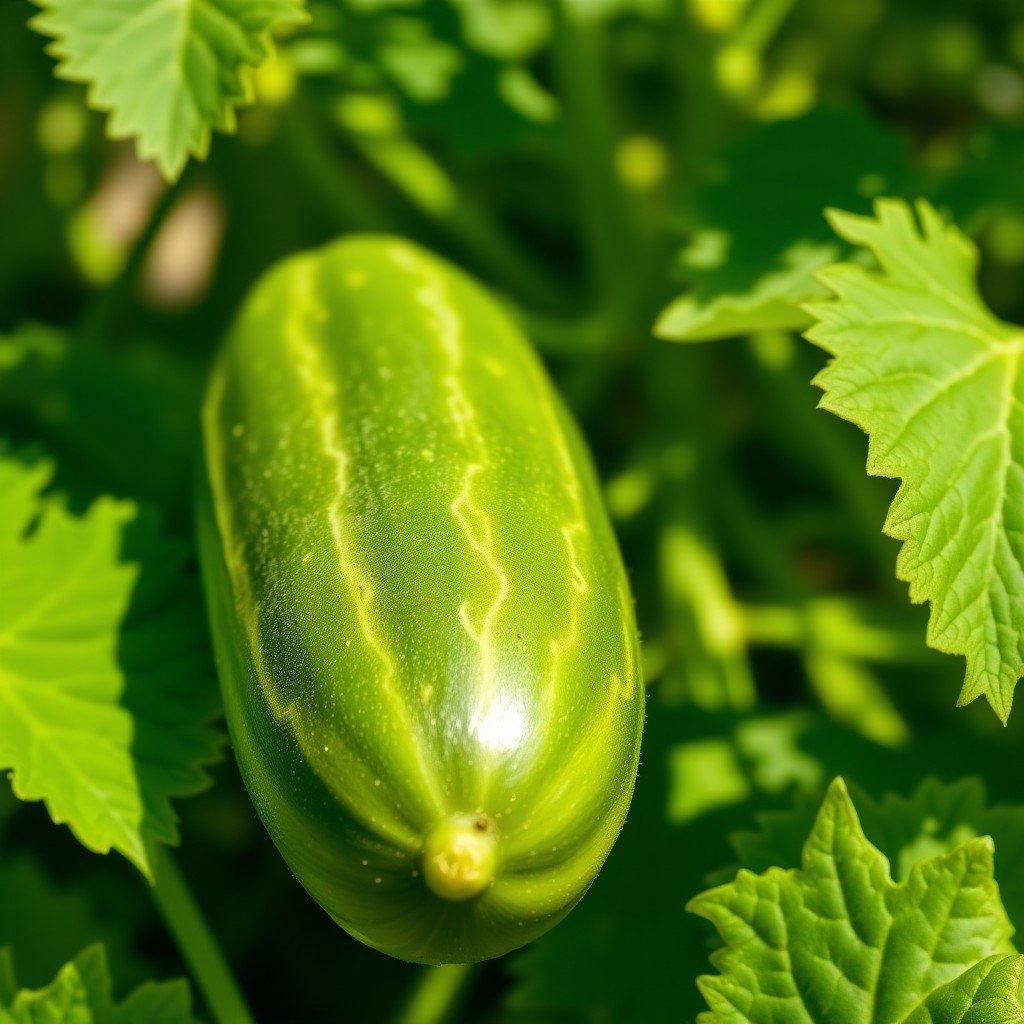
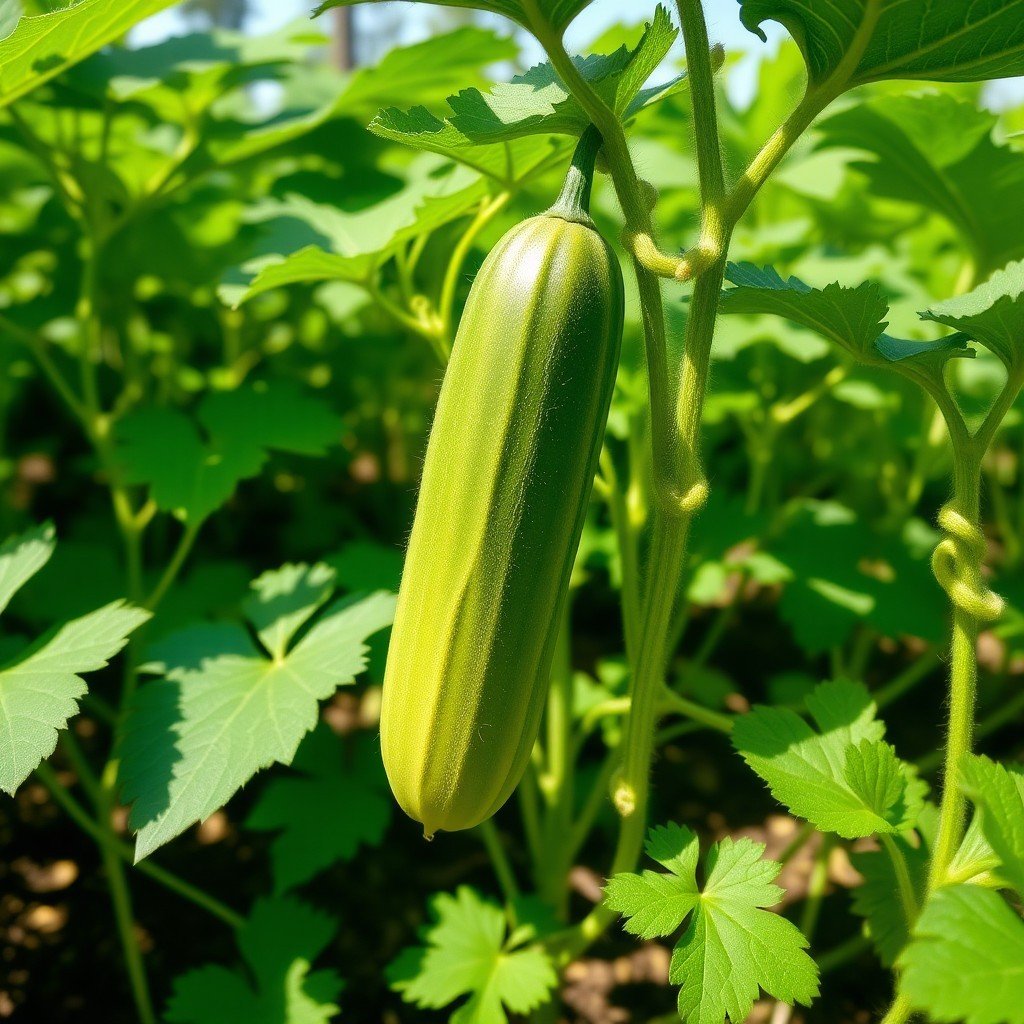
Few vegetables feel as cool and refreshing as a freshly picked cucumber. Harvested young and firm with smooth, uniformly green skin, it brings a crisp, juicy crunch to summer salads, sandwiches and cold drinks, and it is just as prized for home pickling. These cucumbers are best enjoyed young, before the seeds harden and the skin starts to yellow, when the flavour is at its mild, watery best.
Planting
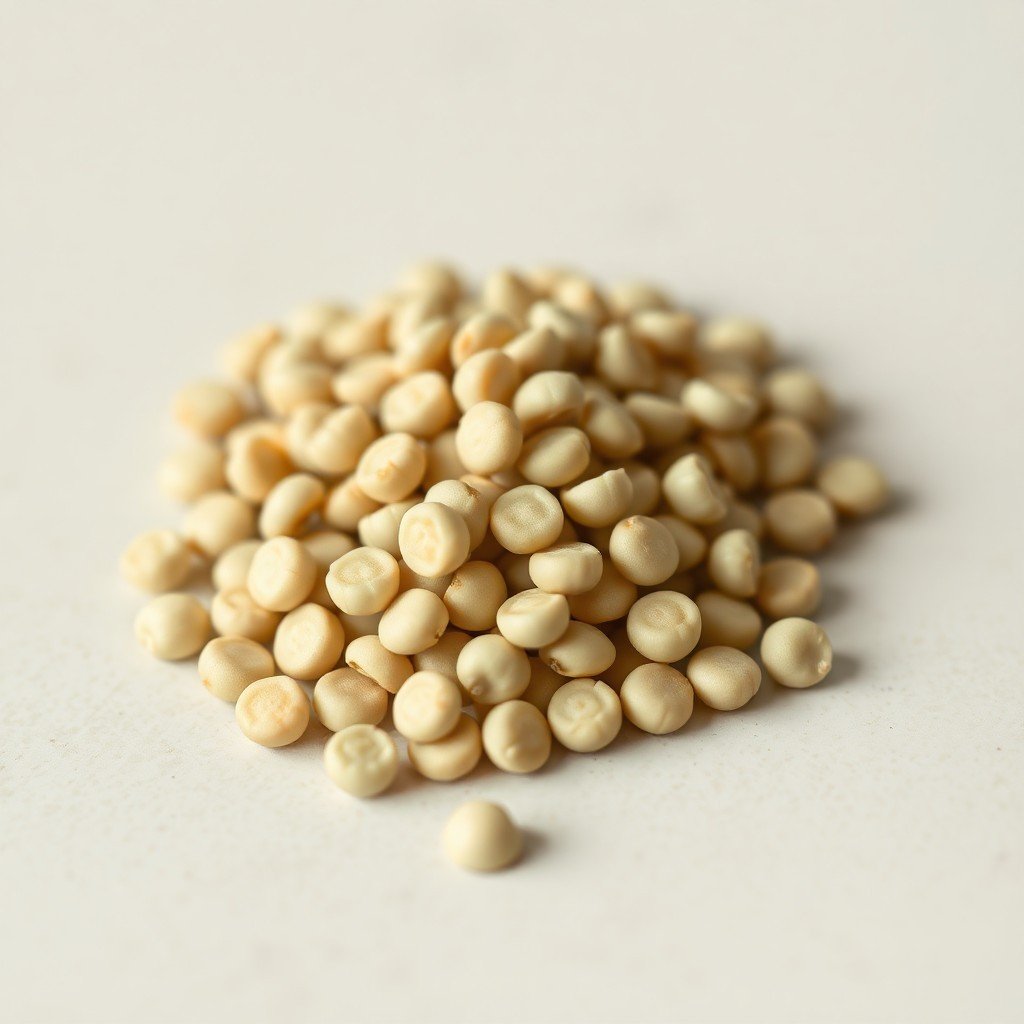
Cucumber is a warm-season, frost-tender crop, so direct-sow only after all danger of frost has passed and the soil has warmed. Seeds need soil at roughly 18-29 C to sprout and will not germinate in cold ground, rotting below about 10-13 C; aim for a minimum soil temperature near 16-21 C. Under the right warmth, seedlings emerge in about 5-10 days. Sow each seed about 1.3-2.5 cm deep in a spot that gets full sun. In Egypt the crop fits the frost-free windows: an open-field summer (spring) sowing from around 20 February to 7 April, a fall sowing from about 10 to 20 July, and protected plastic-house crops from about 1 September to 7 October. The deep cold of December and January is unsuitable for open-field cucumber and is reserved for greenhouse or tunnel growing. Sow a little extra seed, then thin after the seedlings come up so plants stand roughly 20-46 cm apart in the row, with rows spaced about 1-1.8 m apart for these vining types; in Egyptian field practice four seeds are sown per hill and thinned to two about two weeks after sowing. You can also start plants indoors 3-4 weeks before field planting, kept above about 21 C by day and 16 C by night, then transplant around 30 cm apart; handle the root balls gently because cucumbers dislike root disturbance, and transplants mature roughly 10-14 days earlier than direct-seeded ones.
Fertilizing
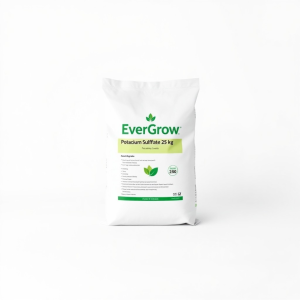
Work a balanced feed into the bed before planting. A good base is about 0.5-1 kg of all-purpose 10-10-10 fertilizer per 9 square metres, or a preplant 5-10-10 at around 1.4 kg per 9 square metres. Once the plants are growing, sidedress with nitrogen: apply about 0.45 kg of 33-0-0 per 9 square metres roughly one week after blooming starts and again three weeks later, placed about 15 cm from the base of the plants. Another approach is to apply a little nitrogen (21-0-0) to each plant after the runners develop but before flowering. Go easy on the nitrogen, though - too much pushes leafy vine growth, delays flowering and fruit set, and cuts your yield, so a split feeding schedule works better than one heavy dose.
Care
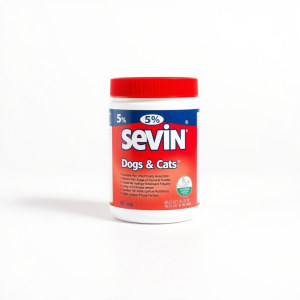
Give cucumbers full sun and steady moisture. They need about 25-50 mm of water per week from rain or irrigation, and they are most water-sensitive while flowering and fruiting, so never let them dry out then. Watering with drip lines or soaker hoses keeps the foliage dry and helps fend off disease. Watch for striped and spotted cucumber beetles (the striped beetle also spreads bacterial wilt), aphids, spider mites in hot dry spells, and pickleworms; floating row covers, pyrethrin or neem (azadirachtin) help with beetles, but remove the covers at flowering so bees can pollinate. Common diseases include bacterial wilt, powdery and downy mildew, anthracnose, angular leaf spot and cucurbit viruses - manage them with crop rotation, resistant varieties and dry foliage. Fruit is ready about 50-70 days from planting, roughly 5-7 days after flowering. Pick young, firm, evenly green cucumbers before the seeds harden and the skin yellows - slicing types around 15-20 cm long and 4-5 cm across, pickling types smaller at about 5-10 cm. Harvest every 2-3 days (daily at peak) to keep the plants producing.