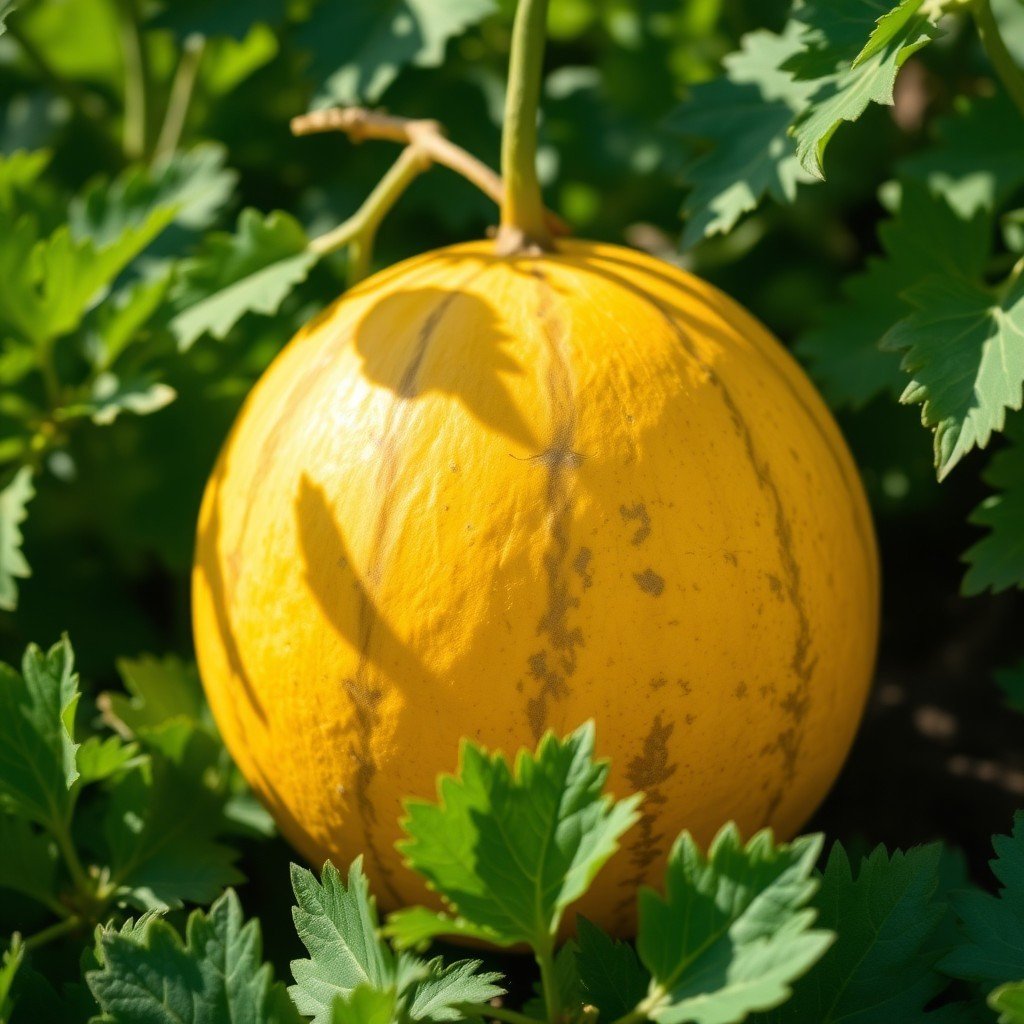
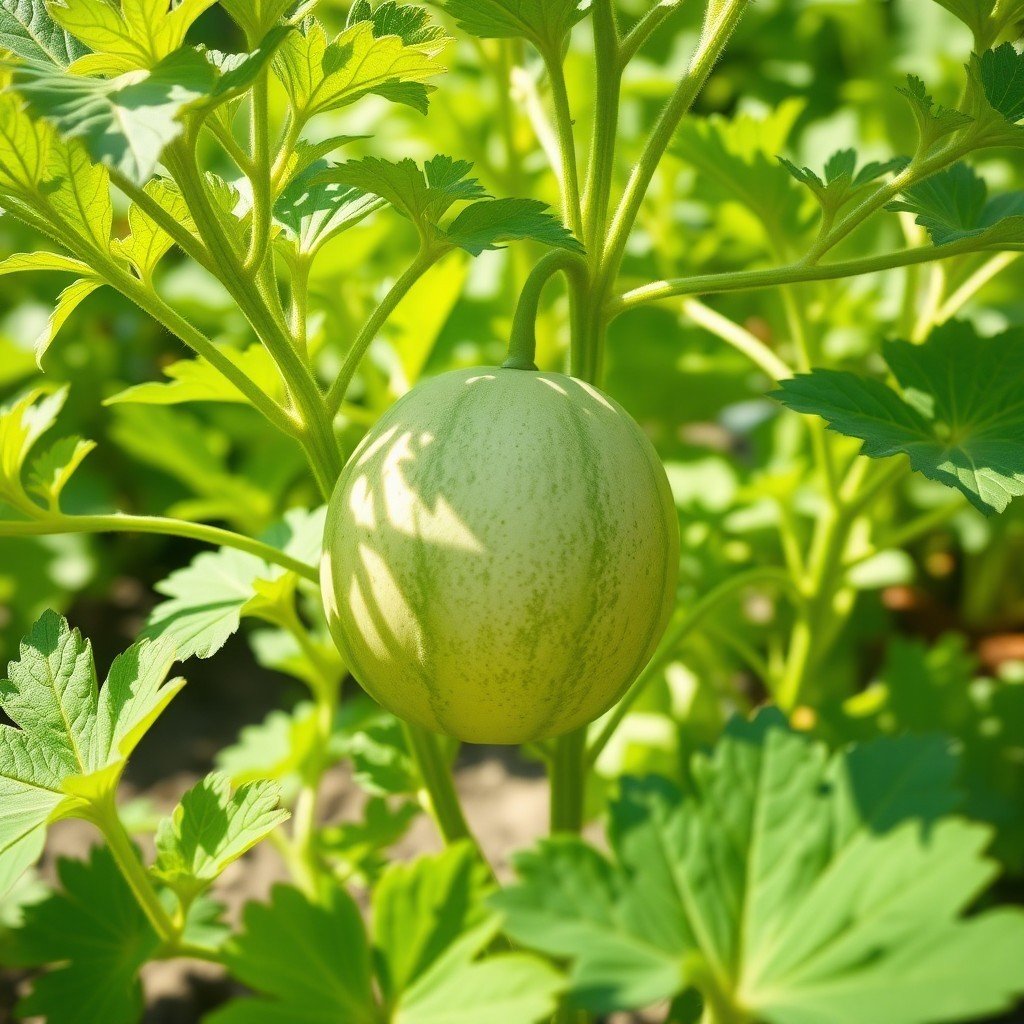
Cantaloupe (Cucumis melo) is the melon that fills the kitchen with its perfume long before you slice it. This variety is grown for its honey-sweet, deep-orange flesh and its handsome coarse-netted rind that shifts from green to a warm yellow-tan as it ripens. Eaten chilled and fresh, blended into juices, or served in salads, it is the quintessential warm-season fruit, and unlike many melons it announces its ripeness with an unmistakable sweet fragrance, so you always pick it at its peak.
Planting
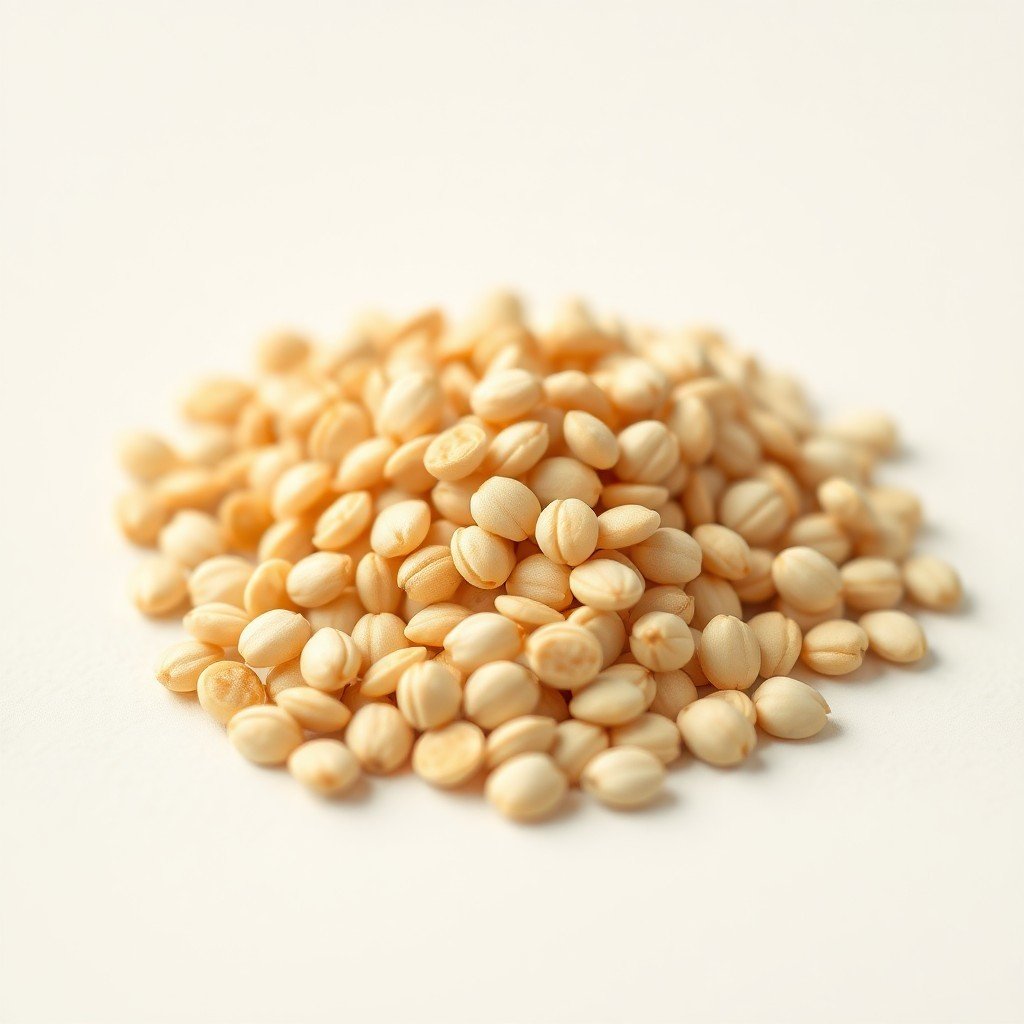
Cantaloupe is a true warm-season crop, so wait until all danger of spring frost has passed before sowing. Direct-sow outdoors only once the soil has reached at least 18 C and the nights are warm; in cooler conditions start the seeds indoors 4 to 6 weeks before the last frost and move the young plants out 1 to 2 weeks afterwards. Set the seed about 1.5 cm deep (anywhere from roughly 1.3 to 2.5 cm is fine), or 0.5 to 1.5 cm for indoor module starts. Sow in small groups, or hills, of 2 to 3 seeds spaced 45 to 60 cm apart, with rows 1.5 to 2.4 m apart; allow at least 90 cm between trailing plants, or keep them to 45 cm apart if you train them up a support. Germination is fastest in warm soil of 21 to 32 C, and seedlings usually break ground within about a week (roughly 5 to 10 days). Give them the hottest, sunniest spot you have: a minimum of 6 hours of direct sun daily, though 8 to 10 hours is far better.
Fertilizing
Before planting, work a low-nitrogen fertilizer such as 5-10-10 into the bed at about 1.5 kg per 100 square metres. Once the vines begin to run, sidedress with nitrogen (for example around 0.5 kg of 34-0-0 per 30 m of row), then sidedress a second time after bloom as the fruit begins to set. Go easy on nitrogen overall, because an excess pushes the plant into leafy vine growth at the expense of fruit. If you are growing in containers or under cover, feed every 10 to 14 days with a general liquid feed, then switch to a high-potassium feed once the fruits reach about walnut size to encourage sweet, well-filled melons.
Care
Keep the soil evenly moist, providing roughly 2.5 to 5 cm of water per week and moistening down to about 15 cm deep. Drip lines or soaker hoses are ideal, and watering in the morning keeps the foliage dry, which helps fend off fungal diseases such as powdery and downy mildew, anthracnose and gummy stem blight. As the fruit matures, ease back on watering to concentrate the flavour and prevent splitting. After the seedlings emerge, keep the strongest 1 to 3 plants in each group and remove the rest; transplant when they have 3 to 4 true leaves and handle them gently, as melons resent root disturbance. Pinching out the growing tip after about 5 leaves encourages productive side-shoots. Watch for striped and spotted cucumber beetles (which spread bacterial wilt), squash vine borers, squash bugs, spider mites and aphids; floating row covers exclude pests early on, but remove them at flowering so bees can pollinate. Your melons are ready about 35 to 45 days after the flowers are pollinated: a ripe cantaloupe reaches full slip, parting cleanly from the stem with a light twist, the netting turns coarse, the background colour shifts from green to yellow-tan, and a sweet melon fragrance develops. Pick at this point, as cantaloupe does not continue to ripen once harvested.