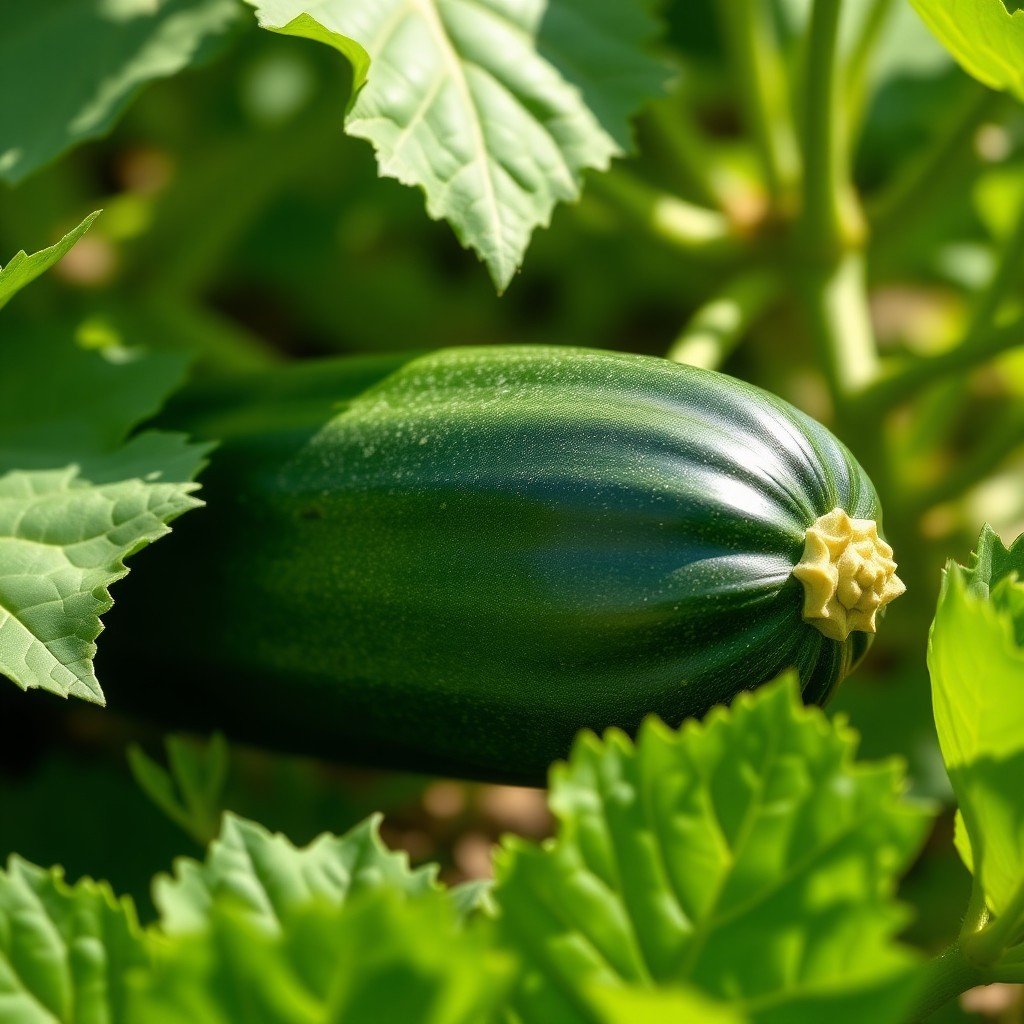
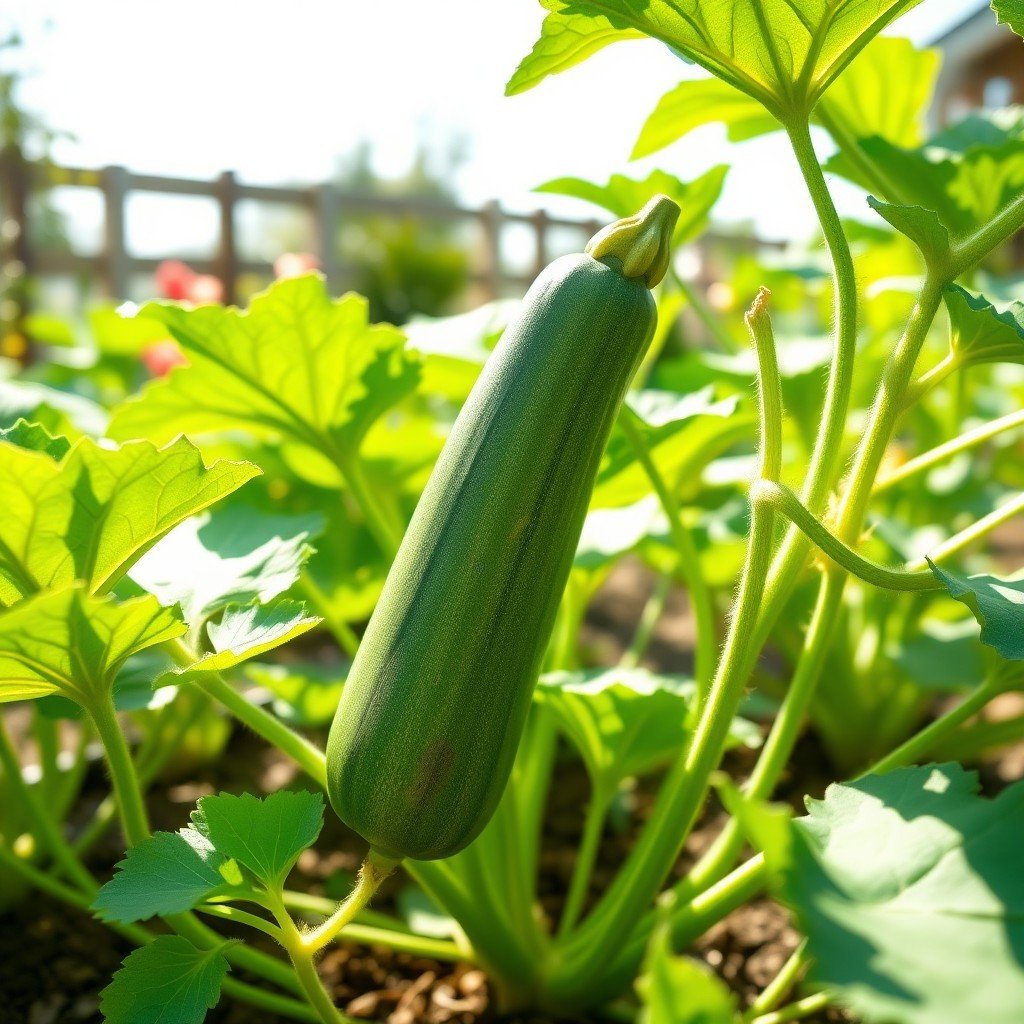
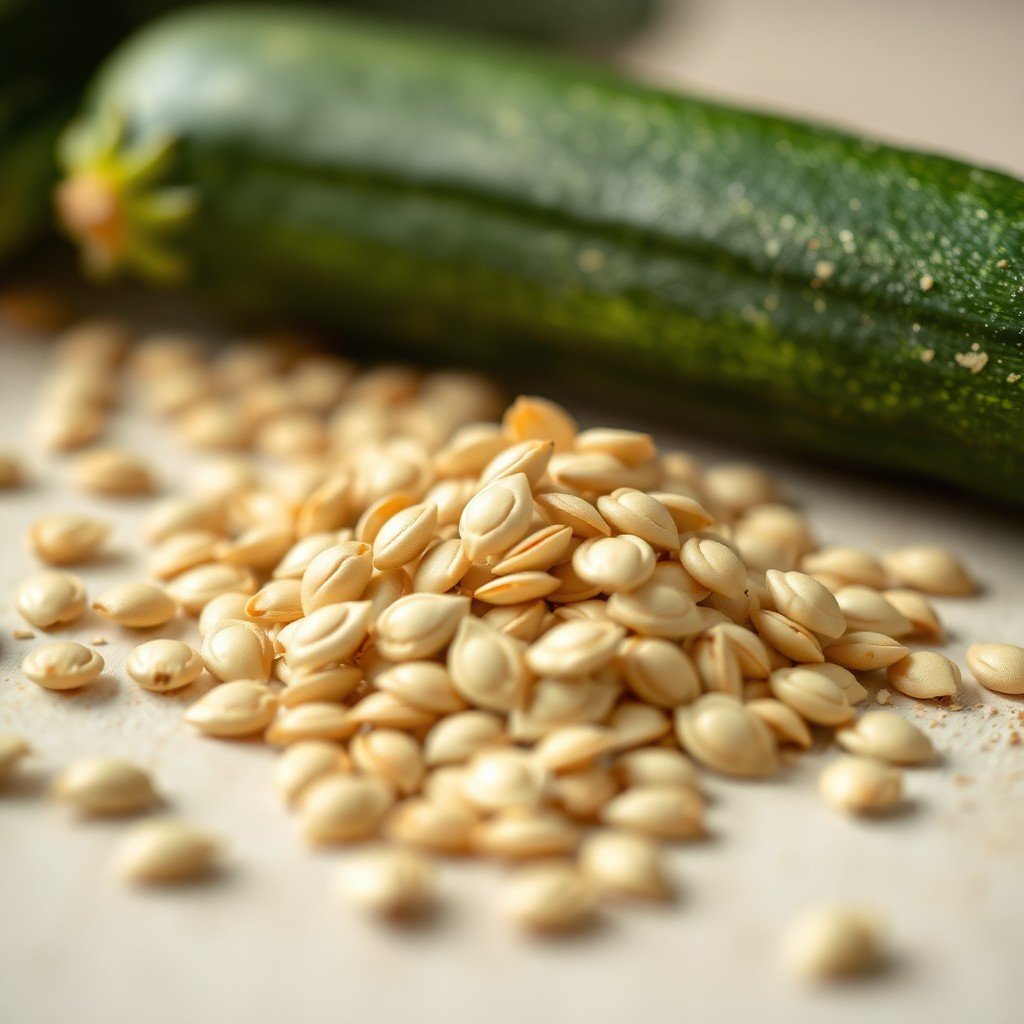
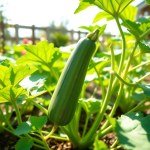
Alexandrian Zucchini H1 is a vigorous F1 hybrid summer squash prized for its smooth, glossy, mid-green cylindrical fruits and clean, mild flavour. Picked young, the flesh is exceptionally tender and creamy with fine seeds, making it a kitchen favourite for stuffing (mahshi), sautéing, grilling and adding to stews. Its hybrid vigour gives strong, uniform plants and a steady, generous flush of straight, evenly coloured fruit that stands apart from open-pollinated zucchini.
Planting
This is a warm-season, frost-sensitive crop, so sow only after all danger of frost has passed and the soil has warmed. Warmth matters: aim for a soil temperature of about 21°C at 5 cm depth, with germination best between 18-21°C, after which seeds sprout quickly in roughly 5-7 days. Sow directly about 2.5 cm deep outdoors, or about 1.3 cm deep when starting in pots. You can also begin indoors around three weeks before transplanting into 7.5 cm containers, then harden the young plants off before planting out. These are large, vigorous plants: space them around 90 cm apart, or about 45-60 cm apart in rows roughly 1.8 m apart. Sow a few seeds per spot and thin to the strongest seedling, leaving plants about 20-30 cm apart, and snip out the surplus with scissors rather than pulling so you do not disturb the roots. Give them full sun, ideally 8-10 hours of direct light a day and at least 6 hours, in a warm, sheltered position with fertile, well-drained, slightly acidic soil around pH 6.0-6.5. In Egypt, the Nile Delta and Lower Egypt suit a main spring sowing in February-March and an autumn sowing in August-September for an October-November harvest; in the warmer south of Upper Egypt, bring the spring sowing forward to January-February and favour a September sowing for the cooler season, avoiding the peak summer heat.
Fertilizing
Start with fertile, well-drained soil and dig in compost or fertilizer before planting. As the vines begin to spread, side-dress with nitrogen, and again as the female flowers begin to appear. Plants grown in good ground generally need little extra feeding, but container plants benefit from a high-potash liquid feed every 10-14 days once the first fruits begin to swell.
Care
Zucchini is a thirsty, heavy water user. Provide about 2.5 cm of water per week from rainfall or irrigation, and in hot weather plants may need watering every day; keep the soil consistently moist. Drip lines or soaker hoses are ideal because keeping the foliage dry helps limit powdery mildew, the main fungal problem, along with downy mildew, cucurbit viruses, anthracnose, angular leaf spot, bacterial wilt and grey mould. Watch for squash vine borers, squash bugs and striped or spotted cucumber beetles, which can spread bacterial wilt, as well as slugs and snails on young plants. This is a fast crop, maturing in about 50-65 days from transplant, so harvest the fruits young and tender before the seeds enlarge and the skin hardens, typically at around 10-20 cm long. Pick frequently, two to three times a week, to keep the plants productive.