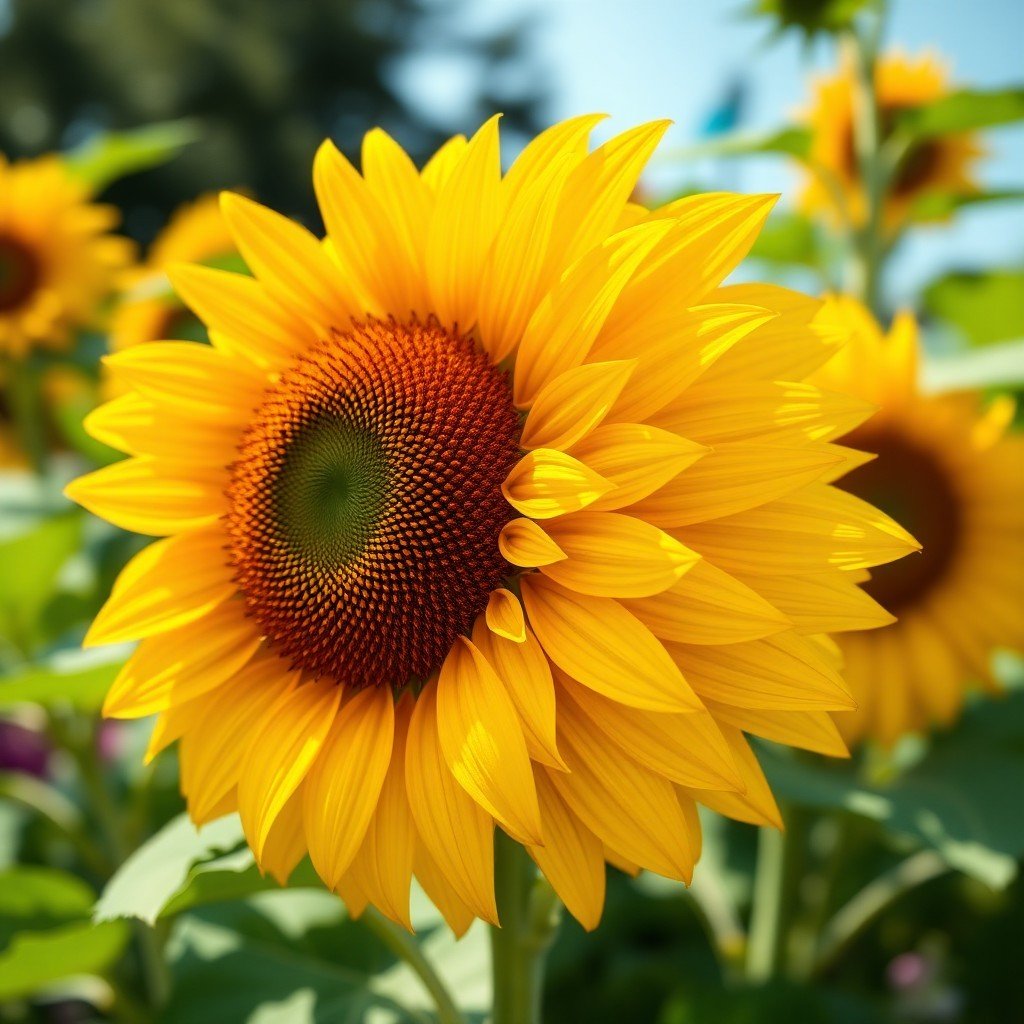
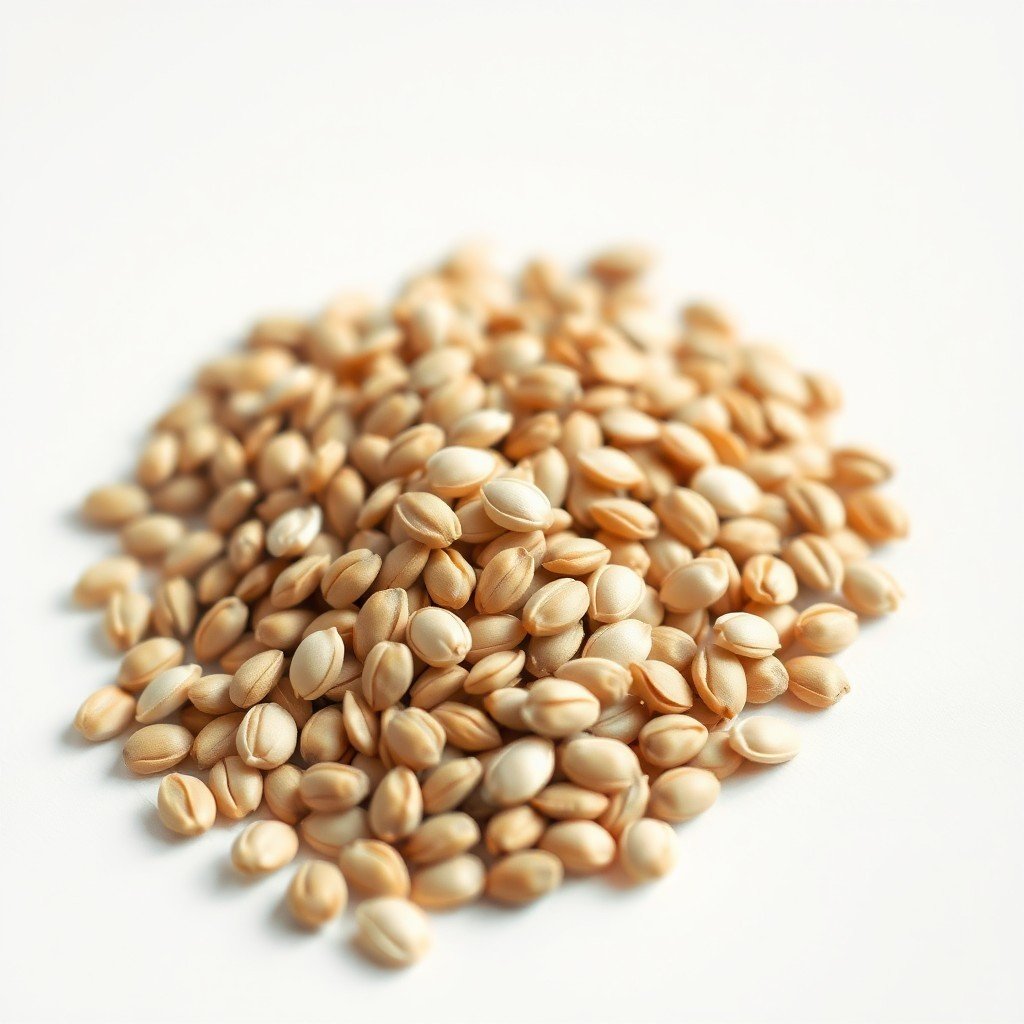
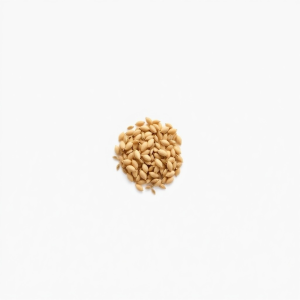
The classic annual sunflower (Helianthus annuus) is one of the most rewarding flowers you can grow at home. Each plant lifts a broad, golden-petalled head on a tall, sturdy stem, and the young blooms famously turn to follow the sun across the sky. Beyond their cheerful ornamental look that brightens any sunny corner, the mature heads ripen plump, edible seeds with a mild, nutty flavour, making this a variety that gives you both a striking display and a tasty harvest of seeds to enjoy.
Planting
Sunflowers are warm-season annuals, so wait until all danger of frost has passed and the soil has warmed above roughly 10 C before sowing directly outdoors; they will not germinate well in cold ground. In Egypt the cold is rarely the problem, so the best window is late winter to early spring: across the Nile Delta and Lower Egypt sow from about mid-February through April so the blooms open in late spring to early summer, before the harshest July and August heat. In warmer Upper Egypt, shift sowing earlier to around February or March and avoid mid-summer sowing. A second sowing from late August into September also works for autumn flowering as the temperatures ease. Sow seeds about 2.5 cm deep, a little shallower (around 1 to 2 cm) for smaller varieties and up to 2.5 to 5 cm in light soil for larger seeds. Choose well-drained soil with a mildly acidic to slightly alkaline pH of roughly 6.0 to 7.5, and give them a full-sun spot receiving at least 6 to 8 hours of direct sunlight a day, since they flower best through a long, hot summer. The optimal soil temperature for germination is about 21 to 24 C, and under good conditions seedlings emerge within about 7 to 10 days (branching types may take 7 to 14 days). Most varieties reach maturity in about 85 to 95 days from sowing.
Fertilizing
Sunflowers do best in moderately fertile, humus-rich soil enriched with organic matter such as composted manure worked in before planting. Once the plants have put out several true leaves, after the second set of leaves appears, apply a slow-release all-purpose fertilizer. Feed only sparingly: too much nitrogen pushes overly vigorous growth, distorts flower shapes and produces weak stems that break easily. For a larger planting, a split nitrogen application, with half given at planting and the rest later, works well. If you are growing ornamental or container plants for blooms, a potassium-rich (high-potash) tomato-type fertilizer applied per the pack instructions helps support flowering.
Care
Sunflowers need roughly 2.5 cm of water per week, but in Egypt's heat the water demand rises well above that temperate baseline, so water consistently and generously, especially during early growth and around flowering. Tall types in particular must never be allowed to dry out, while container plants may need daily watering in hot weather. Once established, water deeply but less often to encourage deep rooting. Thin the seedlings to the right spacing as soon as they emerge: small and medium varieties (about 0.6 to 1.5 m tall) about 15 cm apart, tall varieties at least 30 cm apart, giant varieties about 60 cm apart, and branching cultivars about 45 to 60 cm apart, with rows about 60 to 90 cm apart. Sunflowers resent root disturbance, so if you start them indoors use biodegradable pots, transplant carefully (removing any container part above the soil line) and harden the plants off before planting out. Give tall varieties some wind support, as the Delta and desert margins can be windy. Watch for birds and deer feeding on seeds and plants, along with aphids, stink bugs, leaf-footed bugs and caterpillars; young seedlings are especially vulnerable to slugs and snails. Sunflowers have relatively few serious disease problems, though fungal issues such as Alternaria and Phoma leaf spot, rust, white mould (Sclerotinia), Rhizopus head rot, and downy and powdery mildew can occur. If you want to save seeds, harvest when the back of the seed head turns from green to yellow then brown and the back petals drop, which signals the seeds are mature.