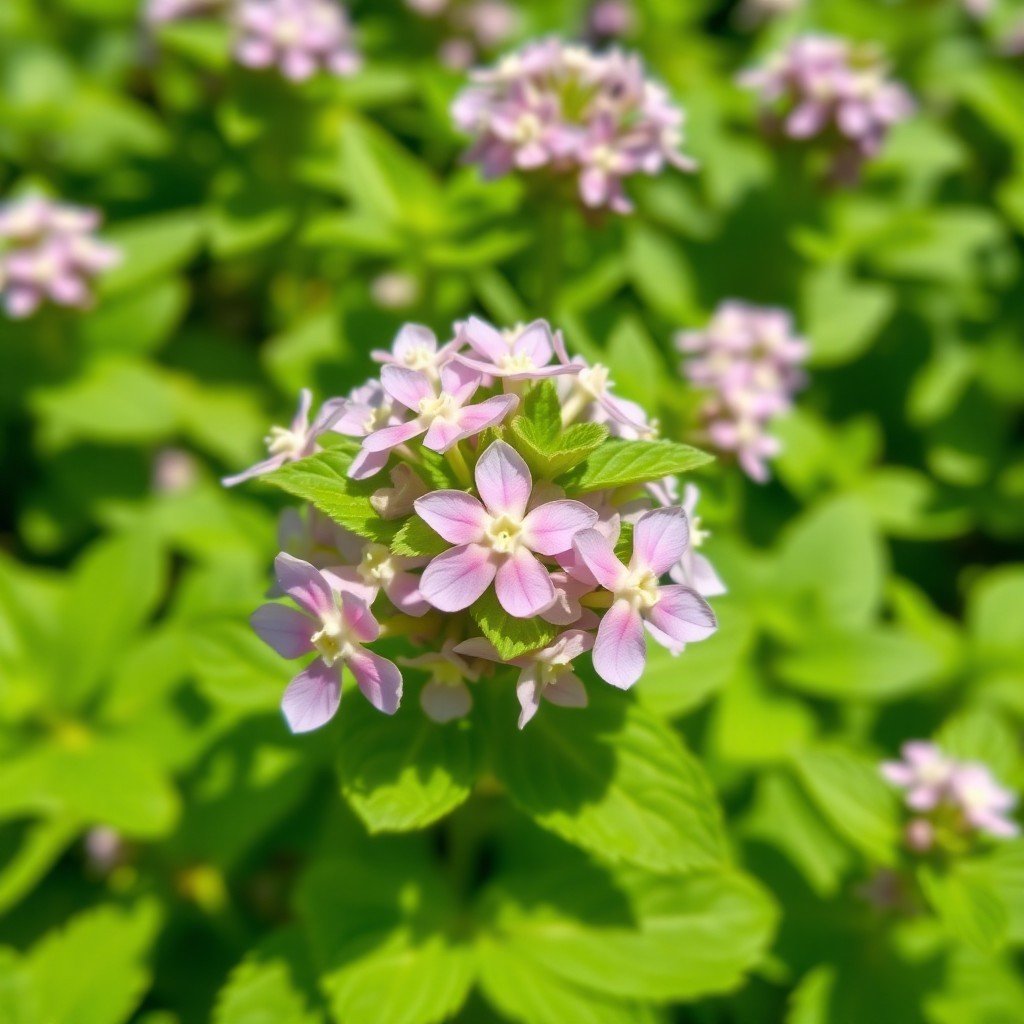
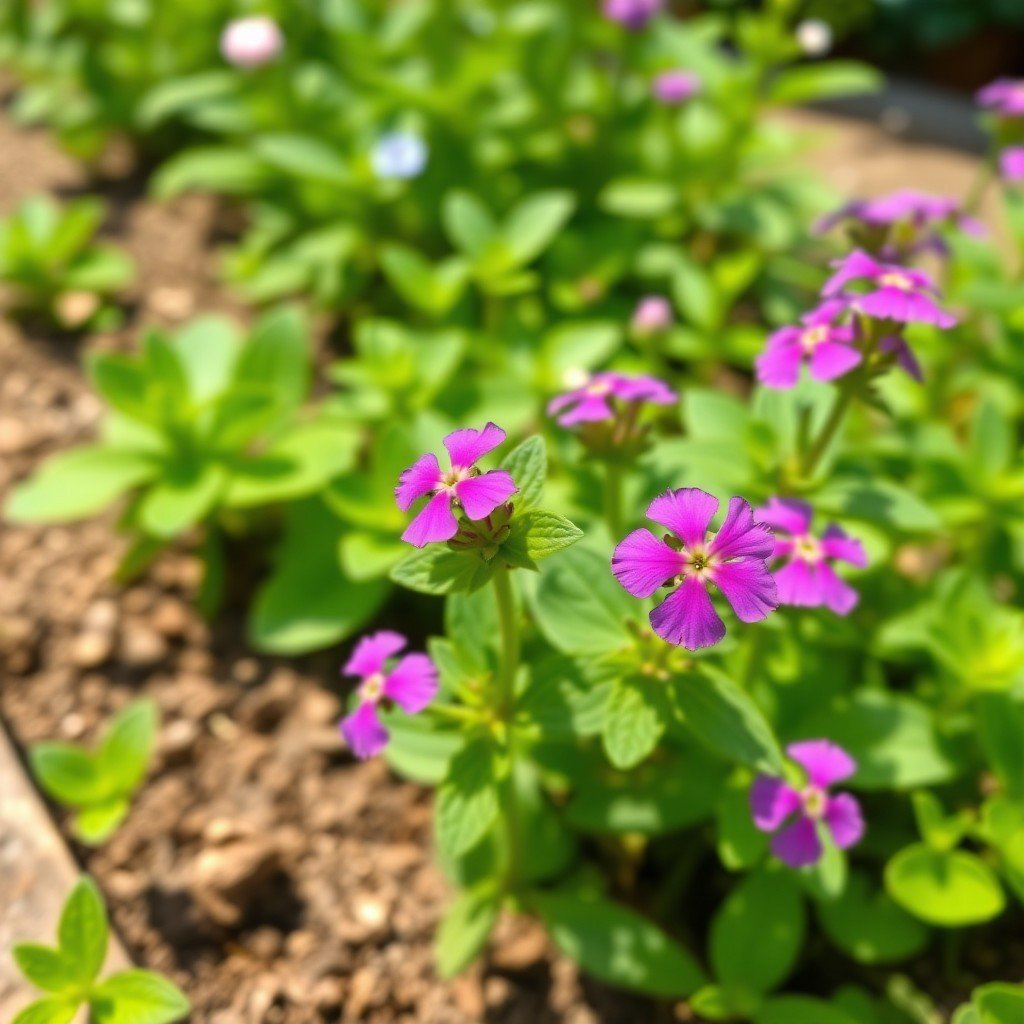
Common spearmint (Mentha spicata), known in Egypt as baladi mint, is the everyday mint behind a glass of hot tea, a fresh salad, and countless home-cooked dishes. Its bright green, crinkled, pointed leaves carry a sweet, gentle aroma that is softer and less sharp than the cooler menthol of peppermint, which is exactly why it is the kitchen favourite for tea, tabbouleh, and refreshing drinks. It is a vigorous, hardy perennial that spreads readily, so a single planting keeps giving fragrant shoot tips season after season.
Planting
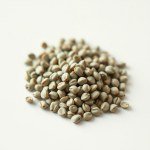
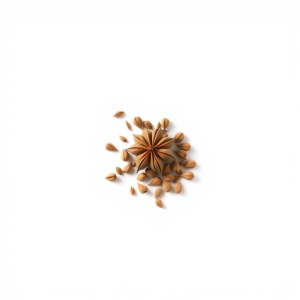
Mint is most often grown from cuttings or division, but it does grow from seed with a little care. Start seed indoors in spring, roughly 6 to 8 weeks before your planting-out date, and move plants outside once the danger of frost has passed. The seed is tiny and needs light to sprout, so press it onto the surface of the growing medium and leave it uncovered rather than burying it. Keep the medium moist and well lit while it germinates, which takes about 10 to 14 days at 22 to 24 C (roughly two weeks at around 20 C). Give each plant about 45 cm of room, or set them 30 to 45 cm apart in rows about 45 cm apart, since mature mint reaches 45 to 90 cm tall and spreads aggressively by underground runners. It grows in full sun to partial shade with at least 4 to 6 hours of sun a day, though it is most productive in full sun.
Fertilizing
Mint loves a rich soil that is high in organic matter, and in a well-amended bed it may need no extra feeding at all. Work plenty of compost or well-rotted manure into the soil before planting to supply nutrients and improve drainage, aiming for a soil pH of about 6.0 to 6.5. Where you do feed, apply nitrogen from spring into early summer to match the period of active growth. Go easy on it, though: too much nitrogen pushes soft, lush growth that attracts spider mites and aphids and can make disease worse.
Care
Keep the root zone consistently moist but never waterlogged, and don't let the plants wilt between waterings. Water the soil directly rather than the leaves to cut down on leaf disease, and water deeply instead of giving frequent light sprinklings; drip irrigation is better than overhead sprinklers. Refresh plantings by dividing established clumps in spring or autumn, or by rooting stem or runner cuttings, and divide mature plants every 3 to 4 years to keep them vigorous; pot up seedlings into a 7.5 cm pot once they have several leaves. Watch for mint rust, aphids, spider mites (worse in hot, dry conditions and with excess nitrogen), and verticillium wilt, a serious soil-borne disease — use disease-free planting stock and knock pests off with a strong spray of water or insecticidal soap. Harvest individual leaves or soft shoot tips once plants are established, as those young tips have the most intense flavour; cutting often keeps growth bushy. For drying or the strongest aroma, cut the whole plant just as the flower buds appear, and remove any flower spikes to protect leaf flavour. The harvest season runs from late spring into autumn, and after flowering you can cut the plant right back to about 5 cm from the base to bring on fresh new growth. In Egypt, the best times to establish mint are autumn (September to November) and late winter to early spring (February to March); avoid planting into the peak summer heat, and in warmer areas give afternoon shade and steady deep watering through the hottest months.