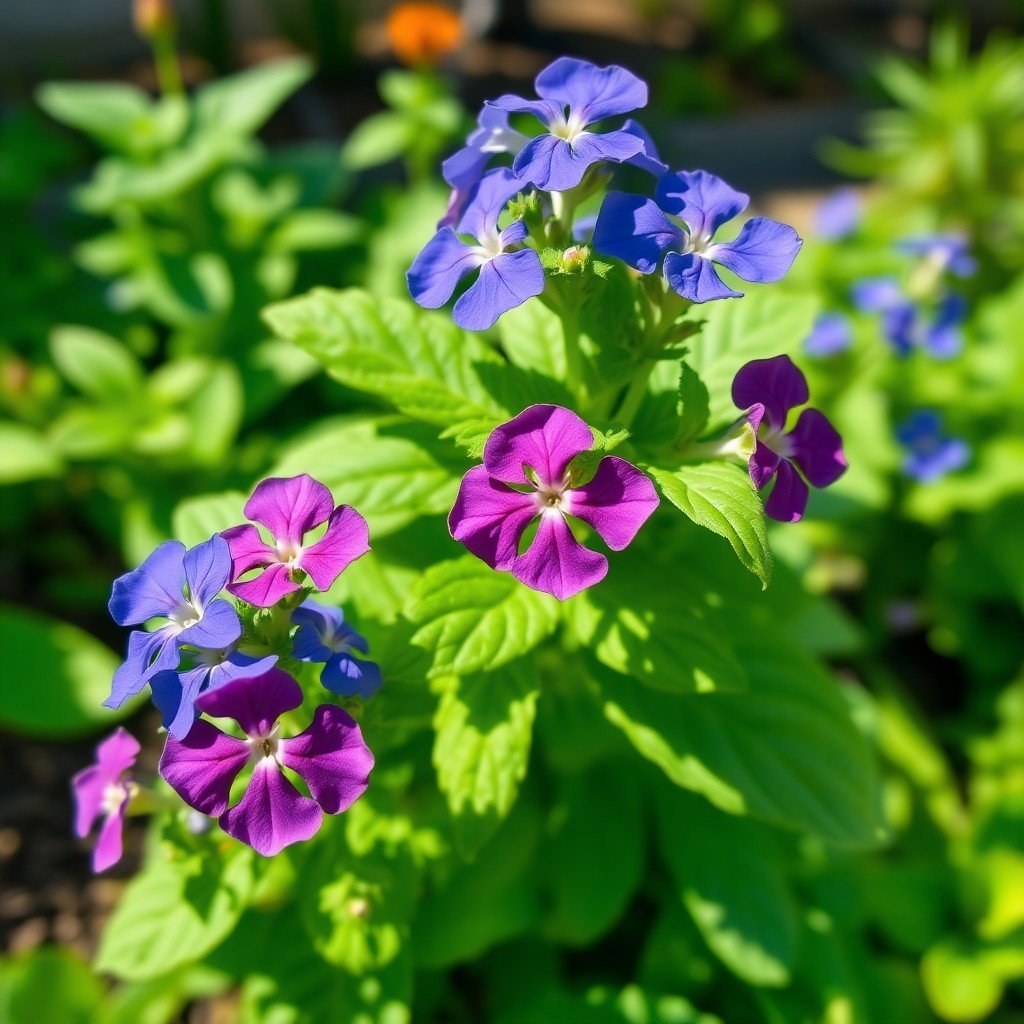
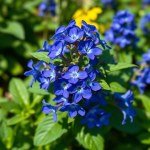
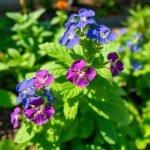
African Blue Basil is one of the most ornamental basils you can grow. Its leaves emerge deep green flushed and veined with purple, and brushing the foliage releases a warm, distinctive aroma that blends sweet basil with notes of camphor and clove. Through the season it throws up tall spikes of lavender-purple flowers that hum with bees and butterflies, making it as much a showpiece for borders and large pots as a herb for the kitchen, where its bold, slightly spicy leaves lift salads, infusions, and cooked dishes.
Planting
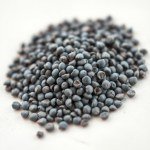
This is a warm-season annual that cannot tolerate frost. Start seed indoors about 6 to 8 weeks before the last spring frost, or sow and transplant outdoors only after all danger of frost has passed and the soil has warmed — wait until nighttime temperatures stay reliably above 10 C. Sow the seed shallowly, roughly 0.6 cm deep. Germination usually takes about 5 to 10 days and is best when the soil or media sits around 18 to 21 C. In Egypt the spring naturally meets this optimum: in the Nile Delta and Lower Egypt, start seed in a protected seedbed in late January to February and move plants out in March to April once nights stay above 10 C, for a long cutting season from June into October. In the warmer winters of Upper Egypt the frost-free window opens earlier, so transplanting can begin in late February to March and a second autumn crop is possible. Avoid open-field sowing in the cold of mid-winter (December to January) in either region. Thin or transplant seedlings once they have 2 to 3 pairs of true leaves, spacing full-size plants about 15 to 30 cm apart, or 10 to 20 cm apart for cut-leaf production, with rows about 45 cm apart. Give the plants full sun, at least 6 to 8 hours of bright light a day, in a warm, sheltered spot.
Fertilizing
Work a low-nitrogen starter fertilizer into the bed before planting, such as a 5-10-5 or 5-10-10 blend at a modest pre-plant rate. If growth slows about two months after planting, side-dress with a small amount of calcium nitrate (roughly 0.1 to 0.2 kg per row section) as a nitrogen feed. Basil grown in the ground in good soil often needs no extra fertilizer at all. Plants in containers do best on a diluted, organic-based balanced liquid feed applied every 3 to 6 weeks, and you should avoid high-potassium feeds.
Care
Basil is not drought tolerant and needs a fairly constant supply of soil moisture, so keep the soil evenly moist. Water deeply about every 7 to 10 days, and more often for plants in pots. Water at the base in the morning and avoid wetting the leaves, which helps limit disease. The main diseases to watch for are basil downy mildew (a fluffy growth on leaf undersides), Fusarium wilt, gray mold, bacterial leaf spot, and damping-off and root rots, while common pests include aphids, slugs and snails, spider mites, whiteflies, Japanese beetles, and leafhoppers — keeping water off the foliage is your best defence against downy mildew. Start picking young leaves as you need them and pinch out the shoot tips at least weekly to keep growth bushy. For the best flavour, harvest just before flowering and pinch off flower buds as they appear, since flowering turns plants woody and makes the leaves more bitter. For a full cut, take the plant back to about 10 to 15 cm above the ground to encourage fresh regrowth, and harvest in the cool of the early morning.