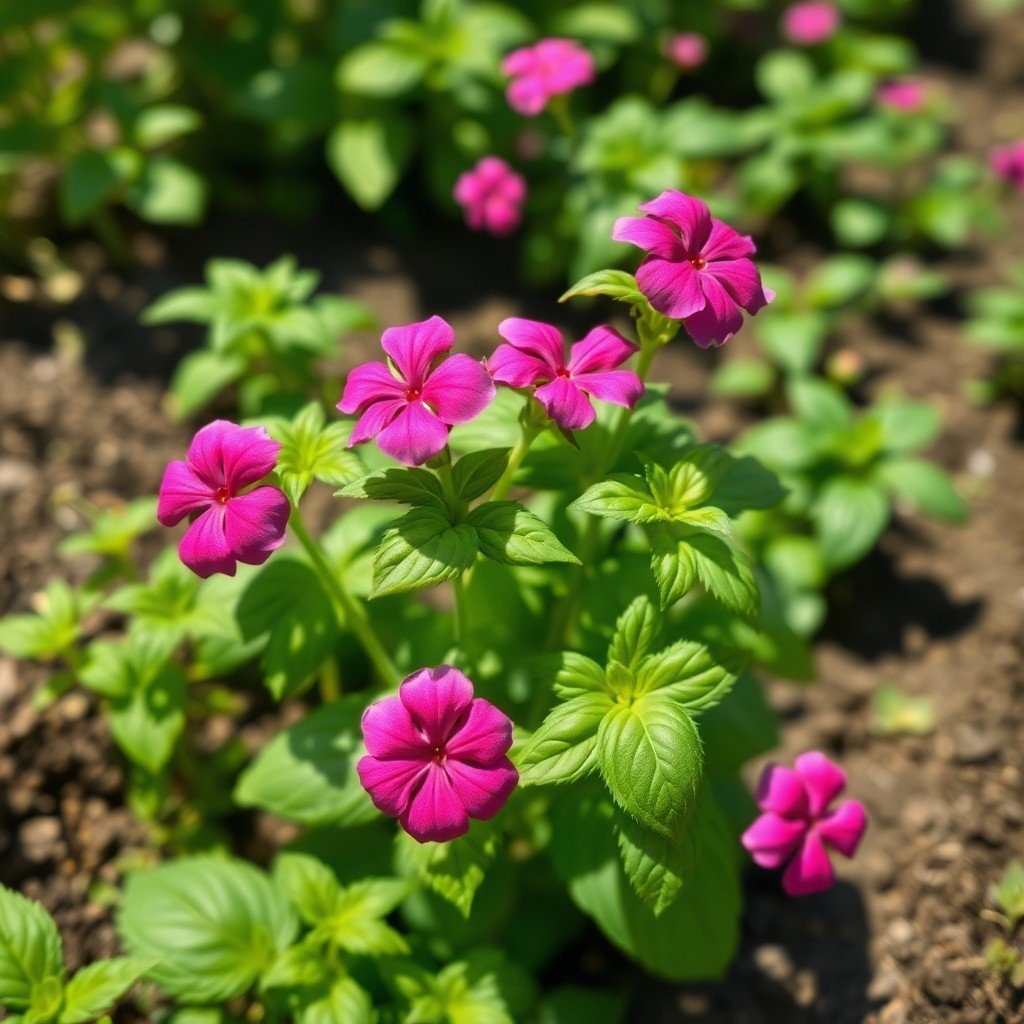
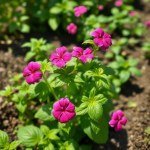
Our Local Basil is the homegrown, kitchen-garden classic so loved across Egyptian households: soft, fresh green leaves carrying that warm, sweet yet lightly peppery aroma the moment you brush against them. It is the everyday basil you reach for to lift a tomato salad, a plate of pasta, a pot of stew, or simply to perfume a sunny windowsill. As a heat-loving annual, it grows generously through the warm months and rewards regular picking with bushier, leafier plants.
Planting
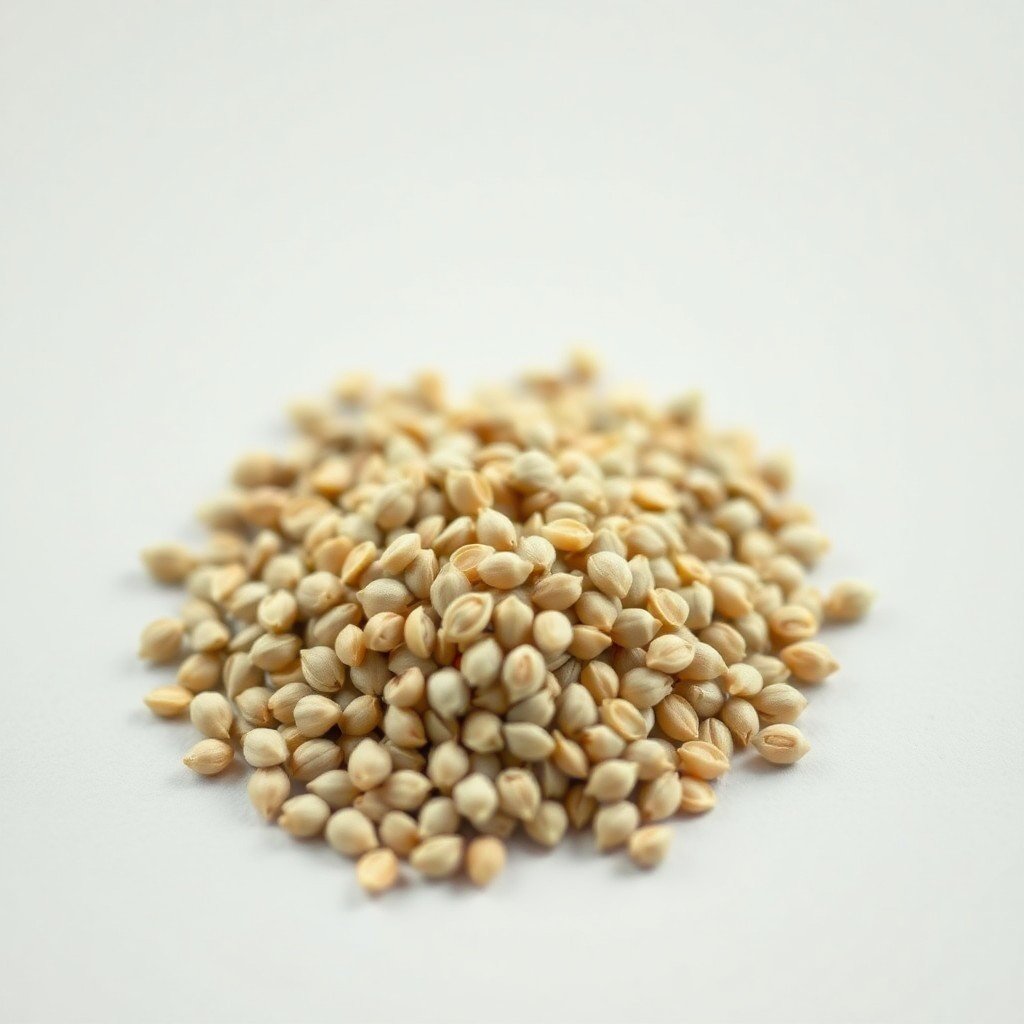
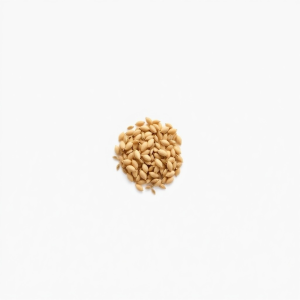
Basil is a warm-season annual and very sensitive to frost, so timing is everything. Start seed indoors or in a seedbed about 6-8 weeks before the last spring frost, then move plants outdoors only after all danger of frost has passed and the soil has warmed, waiting until night temperatures stay reliably above 10 C. Sow the seed roughly 0.6 cm deep. Germination usually takes about 5-10 days and is best when the soil or media sits around 18-21 C, with emergence often within 5-7 days. Once seedlings have formed 2-3 pairs of true leaves, thin or transplant them to their final spacing of about 15-30 cm apart for full-size plants, or closer at around 10-20 cm if you are growing for cut leaves; direct-sown rows sit about 45 cm apart. Give basil a full-sun spot with at least 6-8 hours of bright light a day; it tolerates part sun but truly prefers a warm, sheltered, sunny site.
Fertilizing
Work a low-nitrogen starter feed into the bed before planting, such as a 5-10-5 or 5-10-10 type blend at the recommended light rate. If growth slows about two months after planting, side-dress with roughly 0.1-0.2 kg of calcium nitrate per row section to give the plants a nitrogen boost. In good ground soil, basil often needs no extra feeding at all. Plants in containers are the exception: feed them with a diluted, organic-based balanced liquid fertilizer every 3-6 weeks, and avoid high-potassium feeds.
Care
Basil is not drought tolerant and likes a fairly constant supply of soil moisture, so keep the soil evenly moist. Water deeply about every 7-10 days, and more often for container plants. Water at the base in the morning and try not to wet the foliage, which helps fend off disease. Pinch the terminal shoot tips at least once a week to encourage bushy growth, and pinch out flower buds as they appear, since flowering turns the plant woody and makes the leaves more bitter with a smaller yield. Watch for common problems such as downy mildew (fluffy growth on leaf undersides), Fusarium wilt, gray mold, bacterial leaf spot, and damping-off, along with pests like aphids, slugs and snails, spider mites, whiteflies, Japanese beetles, and leafhoppers; watering at the base rather than over the leaves helps limit downy mildew. Pick young leaves as you need them, harvesting in the cool early morning and just before flowering for the best flavour, or cut the whole plant back to about 10-15 cm above the ground to spark fresh regrowth. In Egypt, the warm season suits basil well: in the Nile Delta and Lower Egypt start seed under protection or in a seedbed in late January to February, then transplant outdoors in March-April once nights are reliably above 10 C, for a long cutting season from June through October. In the milder winters of Upper Egypt the frost-free window is wider, so transplanting can begin a few weeks earlier in late February to March, with a second autumn crop possible; through the most intense summer weeks keep moisture steady and offer some afternoon relief, as basil is not drought tolerant. Avoid open-field sowing in the cold mid-winter nights of December and January.