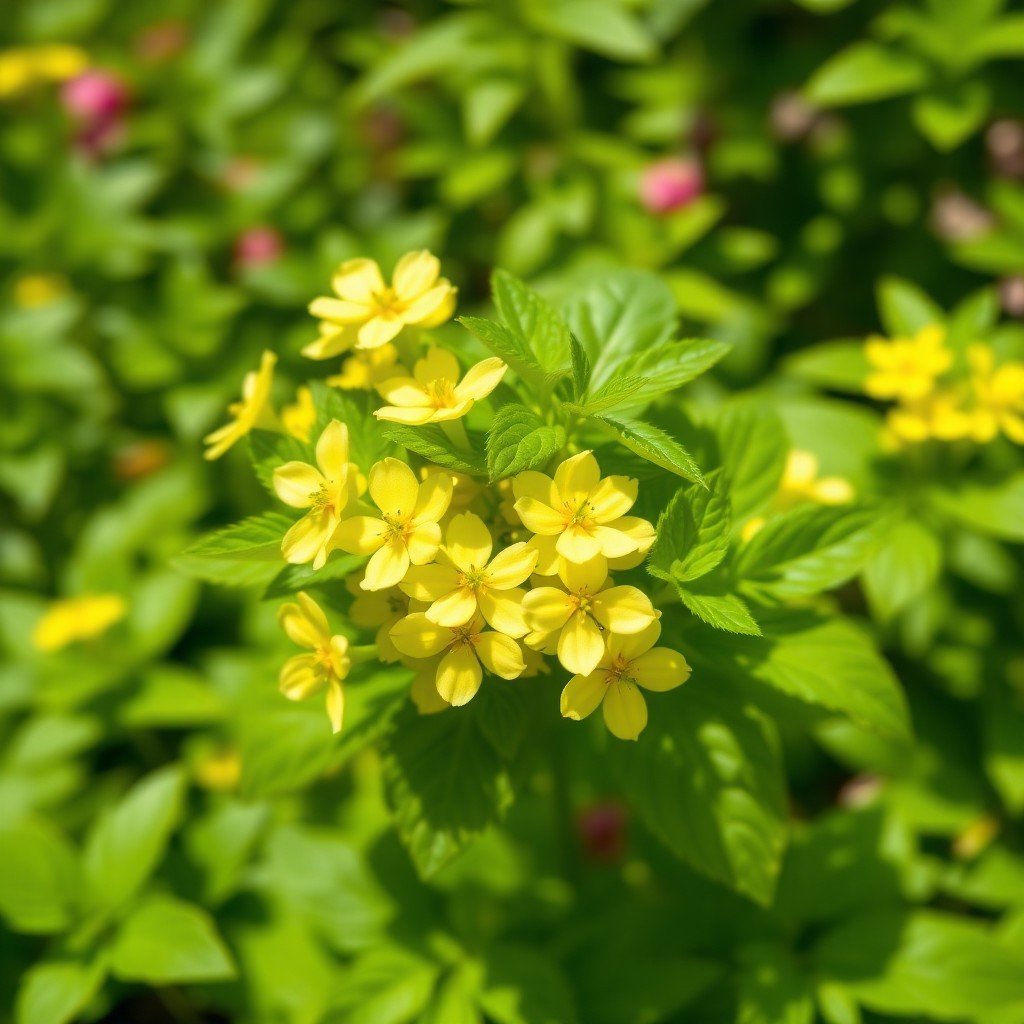
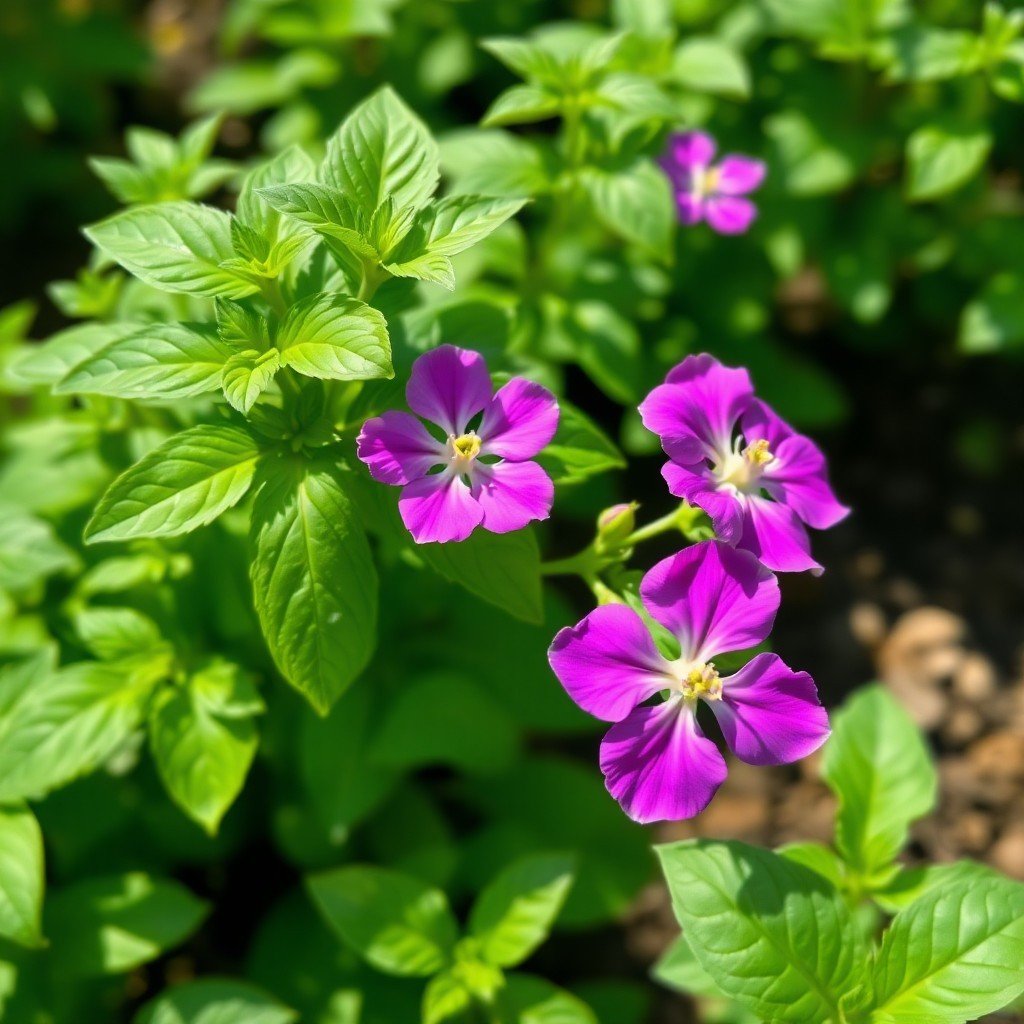
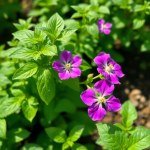
Lemon Basil stands apart from sweet basil with its unmistakable citrus character: crush a leaf and you release a bright, lemony aroma rather than the classic clove-anise scent. The plant carries slim, slightly narrow leaves in a light, fresh green, topped by delicate white flowers, giving it a lighter and more open look than broad-leaved sweet types. That zesty flavour makes it a favourite in teas and cold drinks, fresh salads, fish and seafood dishes, and Southeast Asian cooking, where its lemony lift is prized. It is just as at home in a sunny kitchen-garden bed as in a pot on a balcony.
Planting
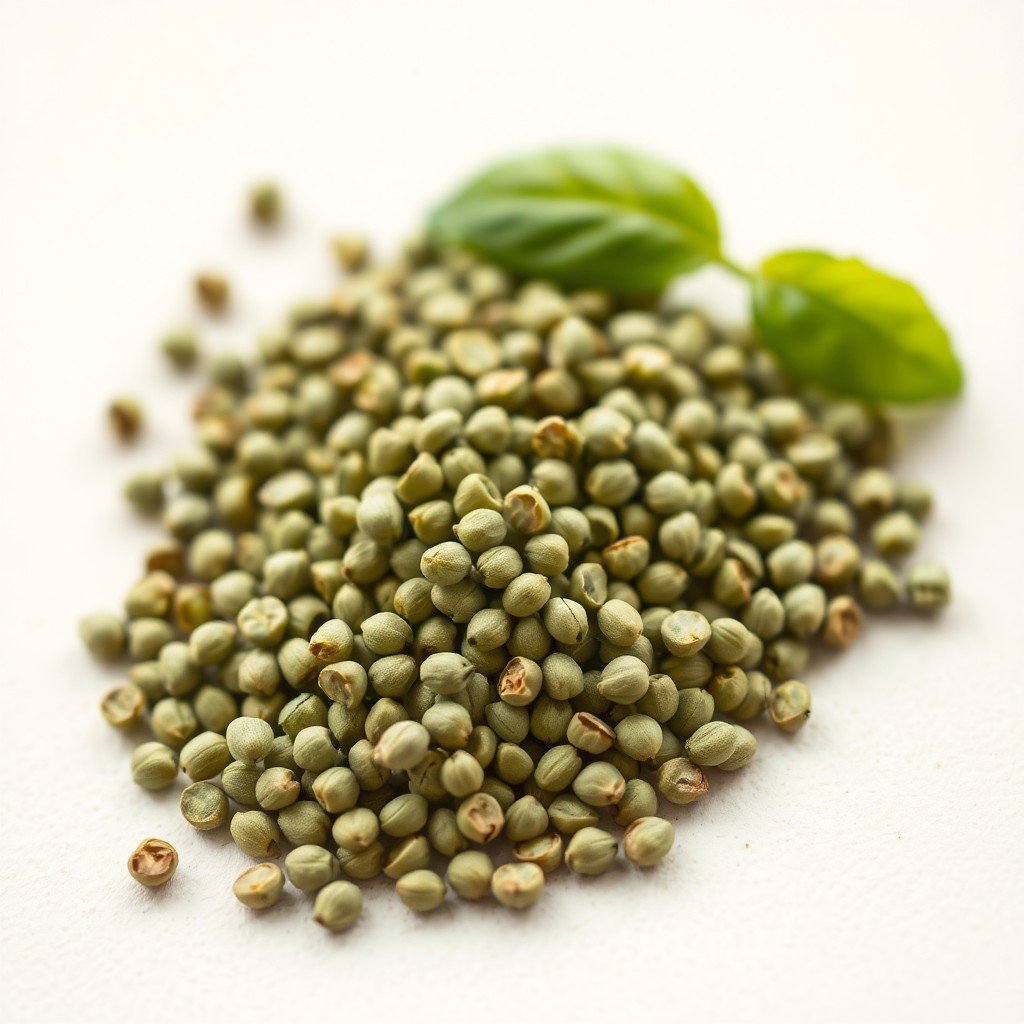
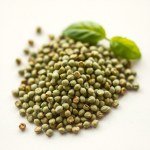
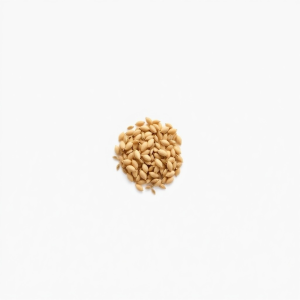
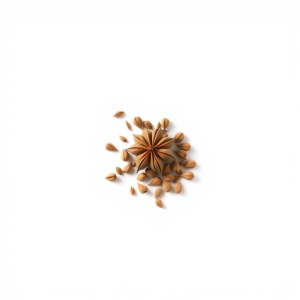
Lemon Basil is a warm-season, frost-tender annual, so timing is everything. Start seed indoors about 6 to 8 weeks before the last spring frost, or sow and transplant outdoors only after all danger of frost has passed and the soil has warmed; wait until nighttime temperatures stay consistently above 10 C before moving plants outside. Sow the seed shallowly, about 0.6 cm deep, and keep the medium warm at roughly 18 to 21 C, the range that gives the best germination. Expect seedlings to emerge in about 5 to 10 days. Once they have formed 2 to 3 pairs of true leaves, thin or transplant them to their final spacing of about 15 to 30 cm apart for full-size plants, or closer at 10 to 20 cm if you are growing mainly for cut leaves; direct-sown rows sit about 45 cm apart. Give the plants a spot in full sun with at least 6 to 8 hours of bright light each day. In Egypt, the proven approach is to start seed in a seedbed in late January to February and transplant in March to April once nights are reliably above 10 C, for a long cutting season running from June into October; avoid sowing into the cold of mid-winter.
Fertilizing
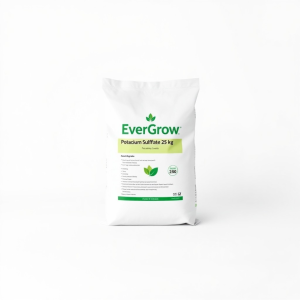
Lemon Basil is not a heavy feeder. Work a low-nitrogen starter fertiliser into the bed before planting. In good soil, ground-grown plants often need no further feeding at all. If growth slows about two months after planting, give a light nitrogen side-dressing to renew vigour. Plants in containers benefit from a diluted, balanced liquid feed every 3 to 6 weeks; lean toward an organic-based balanced feed and steer clear of high-potassium fertilisers, which do not suit basil.
Care
Basil is not drought tolerant and likes a fairly steady supply of soil moisture, so keep the soil evenly moist and water deeply about every 7 to 10 days, watering more often for plants in pots. Water at the base in the morning and avoid wetting the foliage, which helps keep diseases like downy mildew at bay. Pinch the growing tips regularly, at least once a week, to keep plants bushy and full. For the best flavour, harvest just before flowering and pinch out any flower buds as they appear, since flowering turns the plant woody and the leaves more bitter. When you want a larger cut, take the plant back to about 10 to 15 cm above the ground to spur fresh regrowth, and harvest in the cool of the early morning. Watch for common problems: downy mildew, Fusarium wilt, gray mould and bacterial leaf spot among diseases, and aphids, slugs and snails, spider mites and whiteflies among pests; base-watering and good airflow go a long way to prevent them.