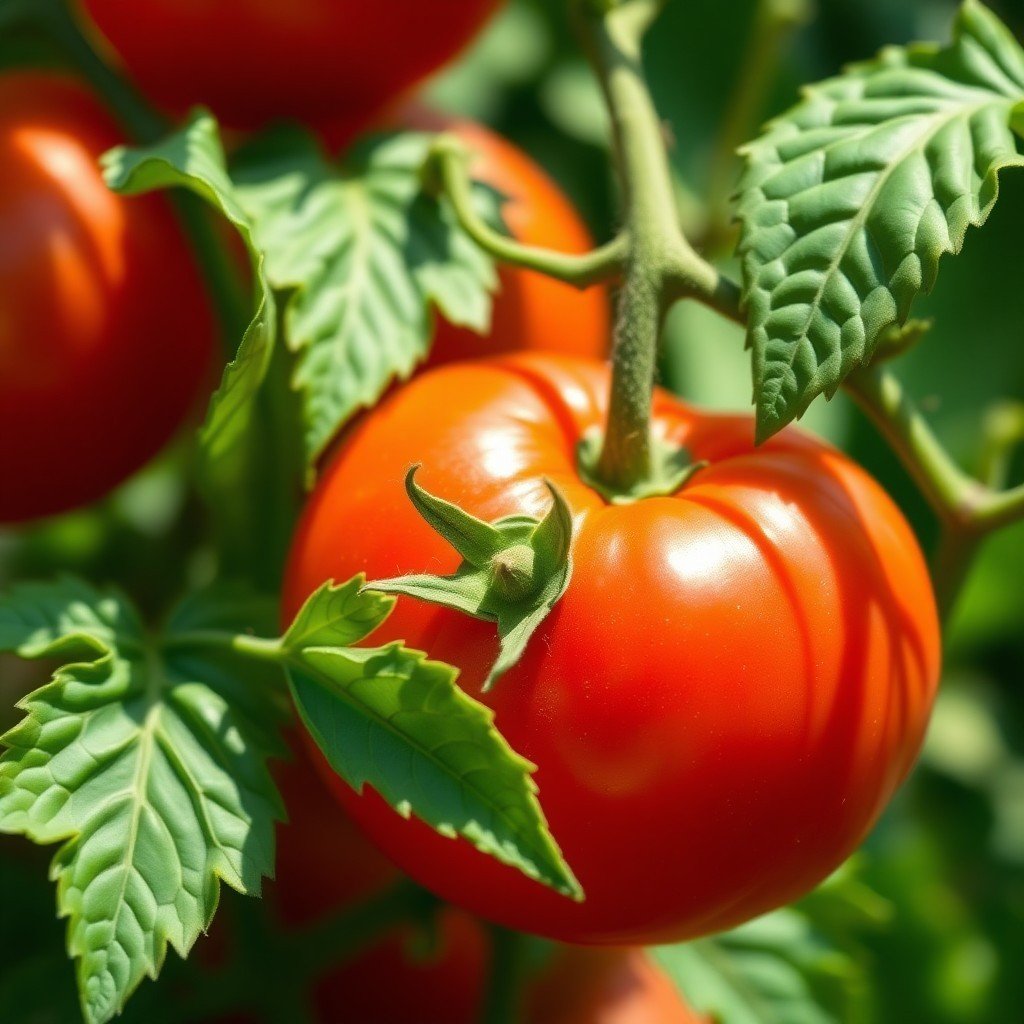
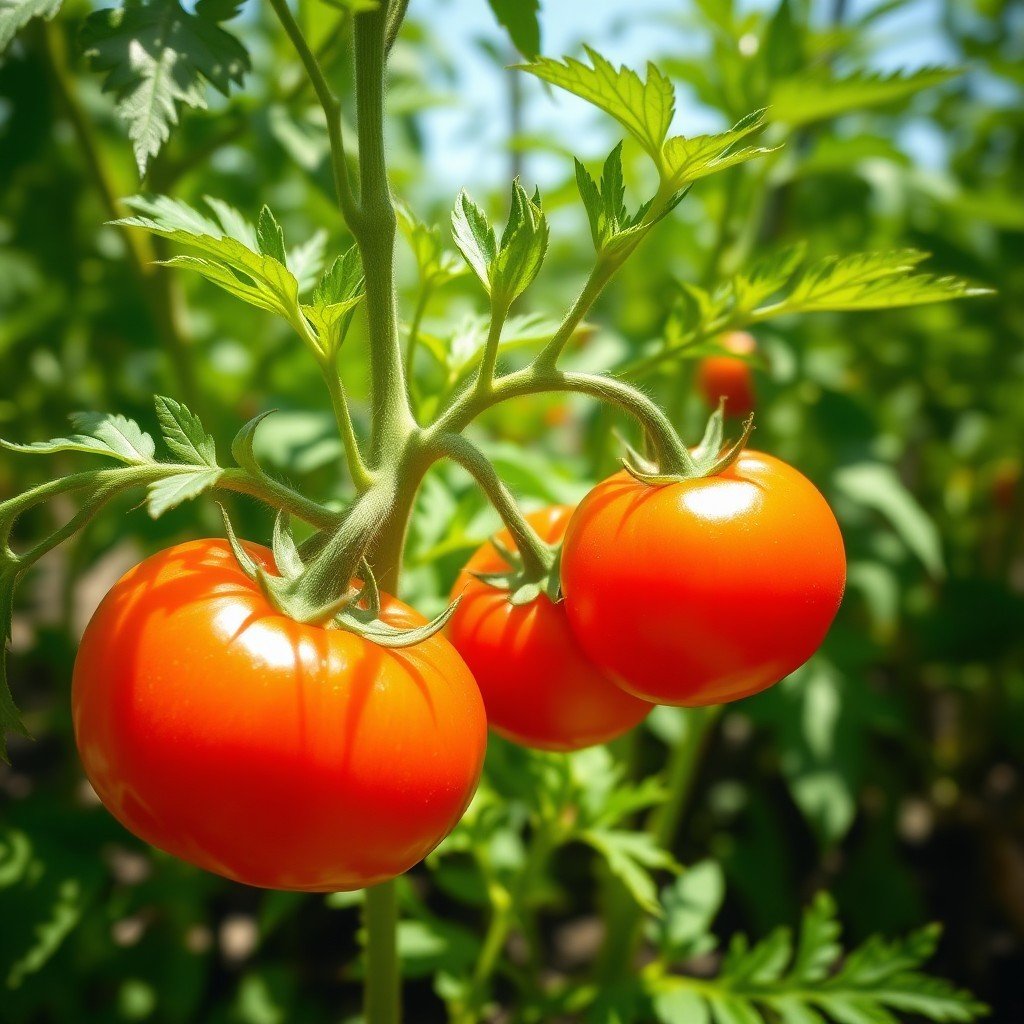
The Gold Round Tomato (Solanum lycopersicum) stands out for its smooth, rounded fruits that ripen to a warm golden glow rather than the usual deep red. The flavour is sweet and mild with low acidity, making these tomatoes a favourite for fresh salads, slicing onto sandwiches and simple eating straight from the vine. Their cheerful colour and even, globe shape also make them a striking choice for a colourful home garden or balcony pot.
Planting
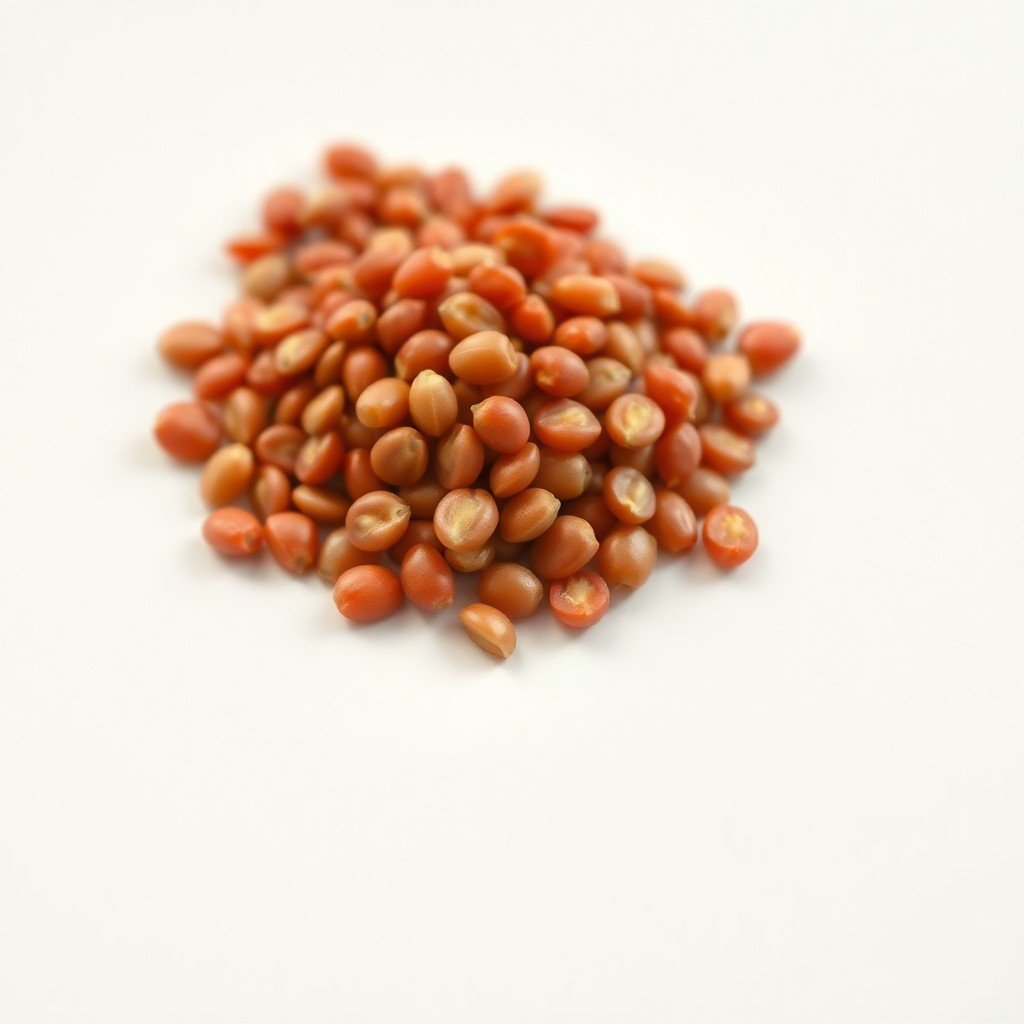
Tomato is a warm-season, frost-tender crop, so start seed indoors about 5 to 8 weeks before the last spring frost and only transplant outdoors after frost danger has passed and the soil has warmed. Sow the seed about 0.6 cm deep in a sterile, soilless seed-starting mix. Kept warm at roughly 24 to 29 C, the seeds germinate in about 7 to 10 days, and a heat mat helps hold that temperature until the seedlings emerge; the minimum temperature to germinate is around 18 C. Once true leaves appear, thin or transplant seedlings to about 5 cm apart, then harden them off over roughly a week before planting out. At transplanting, set plants deep so only the top 2 to 3 sets of true leaves sit above the soil, as the buried stem forms extra roots. Space plants about 45 to 90 cm apart within the row and roughly 90 to 150 cm between rows; bush types can sit closer while vining types need the wider spacing. Choose a warm, sheltered site in full sun with at least 6 hours of direct sun a day, ideally 8 to 10 hours.
Fertilizing
At transplanting, use a starter fertilizer with an NPK ratio under 10, and avoid excess nitrogen, which produces leafy plants that are slow to fruit. Side-dress with nitrogen when the first fruits begin to enlarge, or about 3 to 4 weeks after planting, using a nitrogen and calcium source such as calcium nitrate (15.5-0-0). For plants grown in containers, feed every 10 to 14 days with a high-potassium liquid feed once the first fruits start to swell.
Care
Give the plants steady, even moisture of about 2.5 cm of water per week from rain plus irrigation, and avoid swinging between wet and dry, which causes fruit splitting and blossom-end rot; container plants may need daily watering in hot weather. Watch for common pests such as tomato hornworms, aphids, flea beetles, cutworms, Colorado potato beetles and whitefly, and for diseases including early blight, late blight, Septoria leaf spot, bacterial spot, tomato viruses and grey mould, along with the physiological disorders of blossom-end rot and fruit splitting. Harvest when the fruit reaches full size and the colour begins to change or is fully coloured for the variety, leaving the stalk attached for the best flavour; the first ripe fruit usually comes about 52 to 90 days from transplant depending on the cultivar, and any green fruit can be ripened indoors at about 21 C.
Growing in Egypt
In Egypt the highest-production window is the main summer crop, sown or transplanted in late winter to early spring once frost risk passes, which uses warming spring temperatures for fruit set before peak summer heat. In the cooler Nile Delta and around Cairo, wait until February or March, since earlier transplanting risks frost injury; start the seed indoors about 5 to 6 weeks earlier, in December or January, and add a secondary planting in September or October. In hotter Upper Egypt, shift toward autumn plantings around October and November and late-winter plantings in January and February to dodge extreme summer heat while making the most of the mild winter. A summer planting in July or August is the hardest window for a home grower because of high-temperature injury, so it is best avoided or protected.