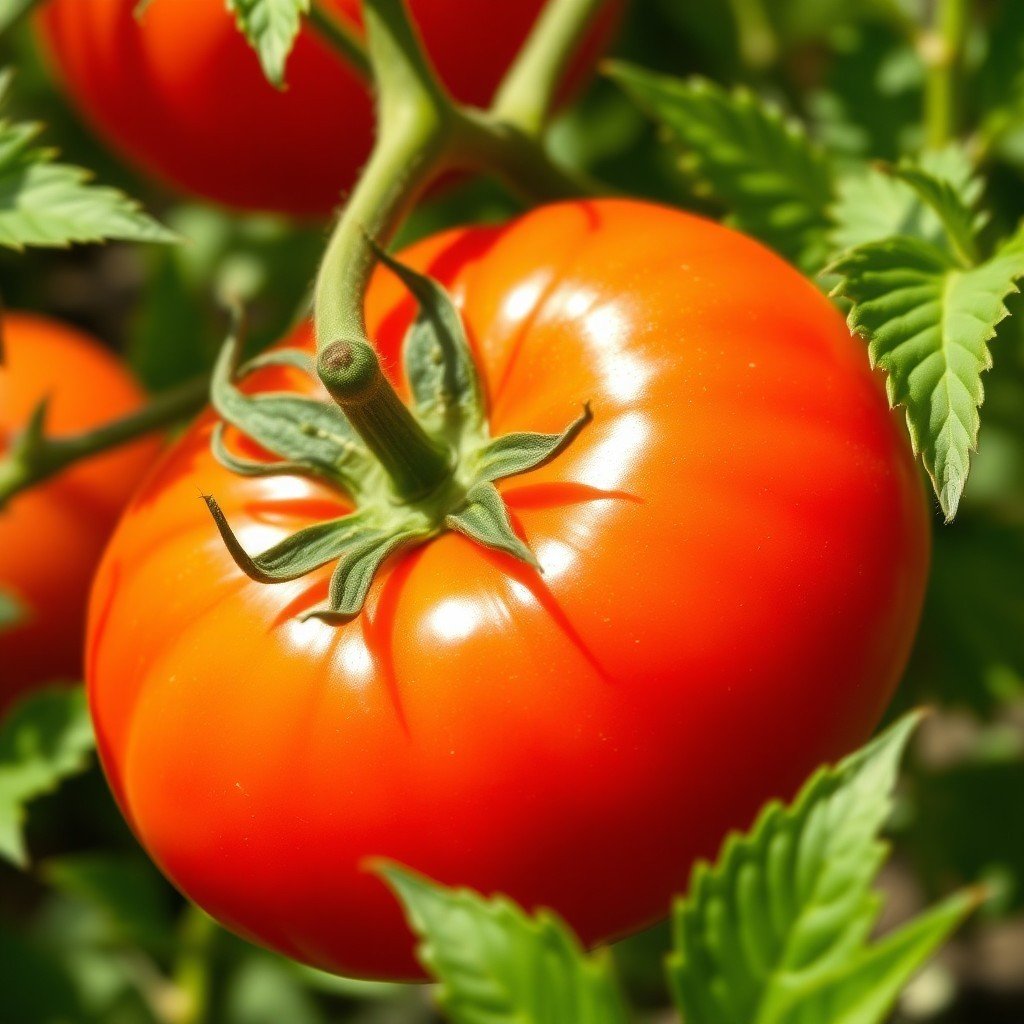
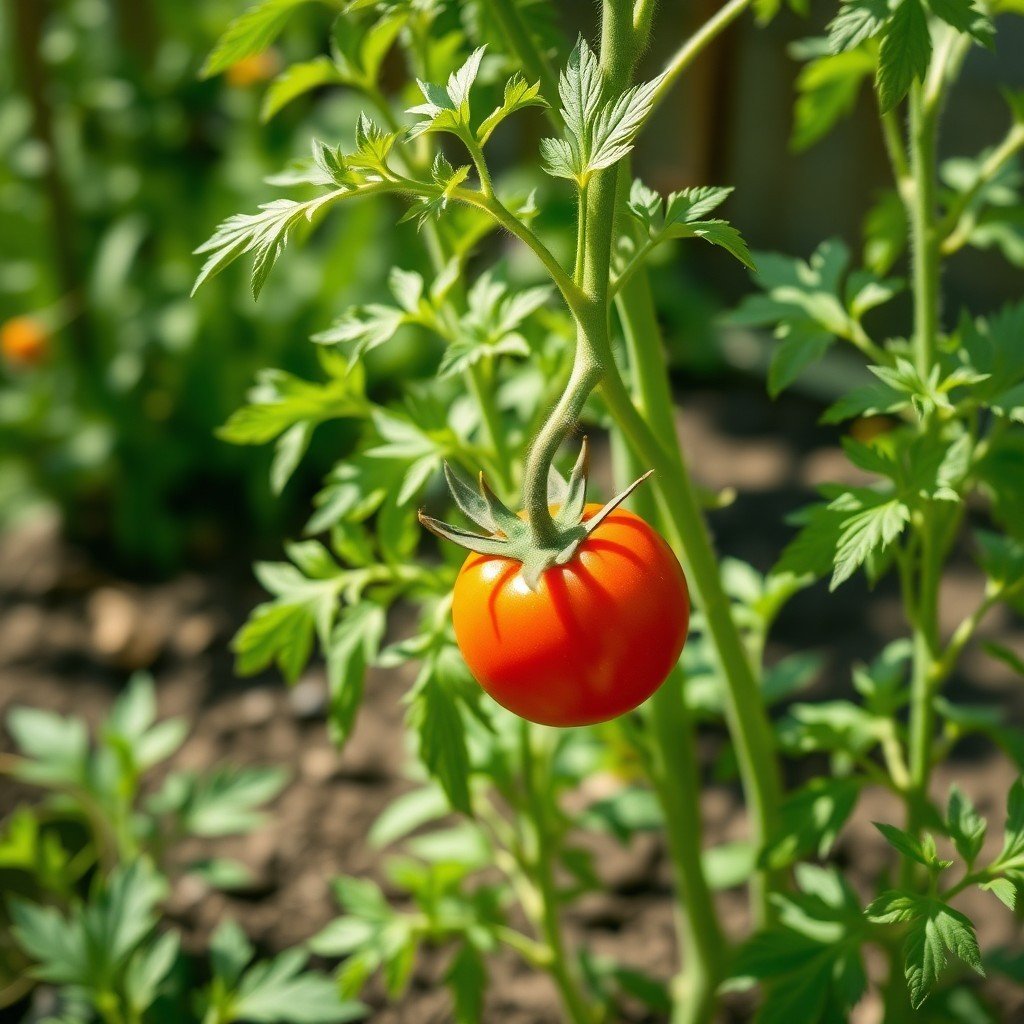
Brown Tomato is a striking gourmet variety prized for its deep mahogany-to-dusky-brown skin and its rich, full flavour. Unlike ordinary red tomatoes, the brown-fleshed fruit carries a sweet, mellow, almost smoky taste with noticeably low acidity, which makes every slice taste balanced rather than sharp. Its dark, marbled colour and meaty texture make it a showpiece in fresh salads, on cheese and charcuterie boards, and in slow-cooked sauces where a deeper, more savoury tomato character is wanted. If you love tomatoes with personality and want something far more interesting than a supermarket red, this is the variety to grow.
Planting
Tomato is a warm-season, frost-tender crop, so start the seed indoors about 5 to 8 weeks before your last spring frost and move plants outside only after frost danger has passed and the soil has warmed. Sow the seed roughly 0.6 cm deep in a sterile, soilless seed-starting mix. Kept warm at around 24 to 29 C, the seed germinates in about 7 to 10 days; a heat mat helps hold that temperature until the seedlings push through. Choose a warm, sheltered spot in full sun, giving the plants at least 6 hours of direct sun a day and ideally 8 to 10. When you set the young plants out, plant them deep so that only the top 2 to 3 sets of true leaves sit above the soil, because the buried stem grows extra roots. Space transplants about 45 to 90 cm apart in the row with roughly 90 to 150 cm between rows; vining (indeterminate) plants want the wider end of that range, while bush (determinate) types can sit closer.
Fertilizing
At transplanting, use a starter fertilizer with an NPK ratio under 10, and go easy on nitrogen, since an excess pushes leafy growth and delays fruiting. Once the first fruits start to enlarge, side-dress with nitrogen to carry the plants through cropping; alternatively, feed about 3 to 4 weeks after planting with a nitrogen and calcium source such as calcium nitrate (15.5-0-0). If you are growing in containers, feed every 10 to 14 days with a high-potassium liquid feed from the time the first fruits begin to swell.
Care
Steady, even moisture is the key to healthy fruit: aim for about 2.5 cm of water per week from rain plus irrigation, and avoid swinging between wet and dry, which causes fruit splitting and blossom-end rot. Container plants can need watering every day in hot weather. Watch for common pests such as tomato hornworms, aphids, flea beetles, cutworms, Colorado potato beetles and whitefly, and for diseases including early blight, late blight, Septoria leaf spot, bacterial spot, tomato viruses and grey mould, alongside the moisture-related disorders of blossom-end rot and splitting. Begin harvesting when the fruit reaches full size and takes on its full ripe colour for the variety, leaving the stalk attached for the best flavour; first ripe fruit usually comes about 52 to 90 days after transplanting depending on the cultivar. Any green fruit left at season's end can be ripened indoors at around 21 C.
Growing in Egypt
Tomato thrives across several Egyptian windows thanks to the mild winters and hot summers. The main, highest-production crop is sown or transplanted in late winter to early spring (roughly February to March) once frost risk has passed, using the warming spring weather for fruit set before peak heat. In the cooler Nile Delta and around Cairo, wait until February or March, since earlier transplanting risks frost injury; start seed indoors about 5 to 6 weeks ahead, in December or January, and add a secondary planting in September or October. A second autumn or winter crop transplanted around October to November suits warmer Upper Egypt, where mild winters let the crop continue, and some warm-region planting also happens in January and February. Mid-summer transplanting (July to August) is done commercially to supply winter markets, but it suffers high-temperature injury and is the hardest window for a home grower, so it is best avoided or protected.