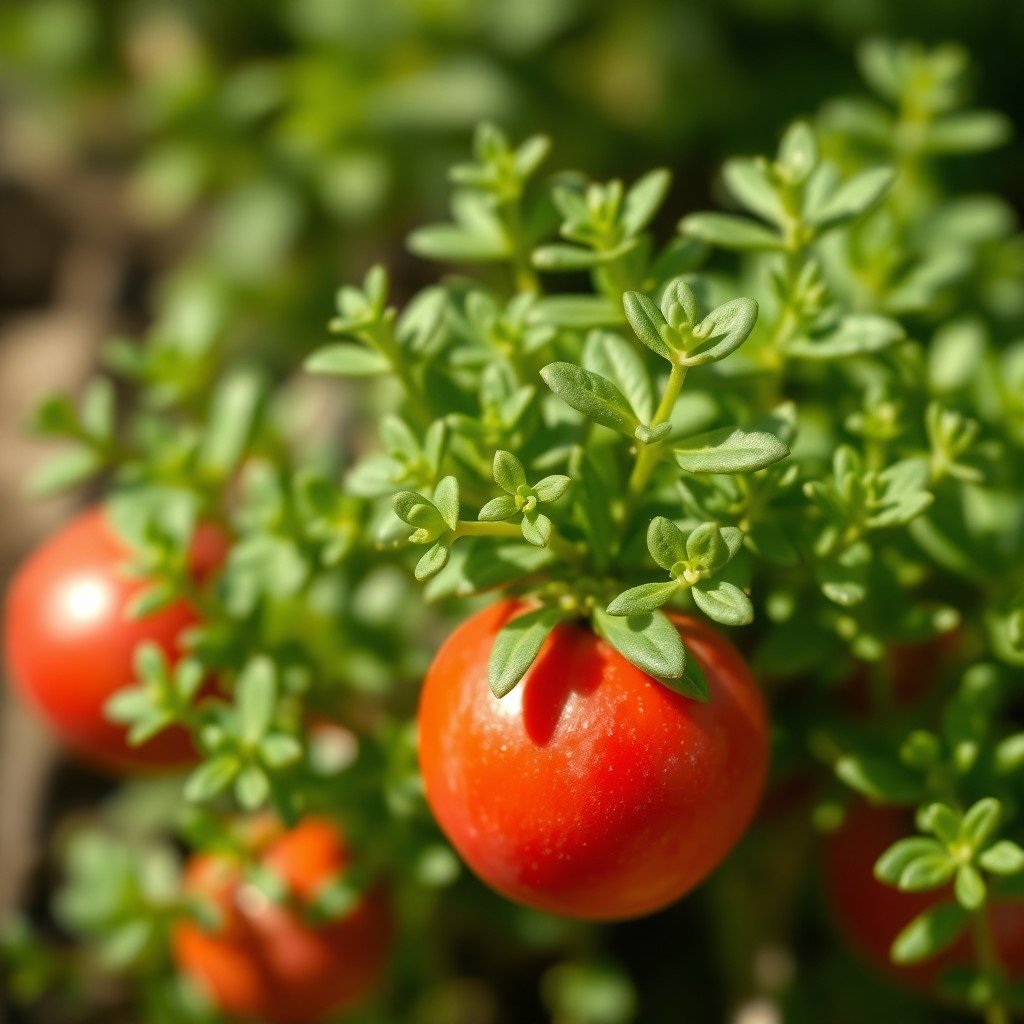
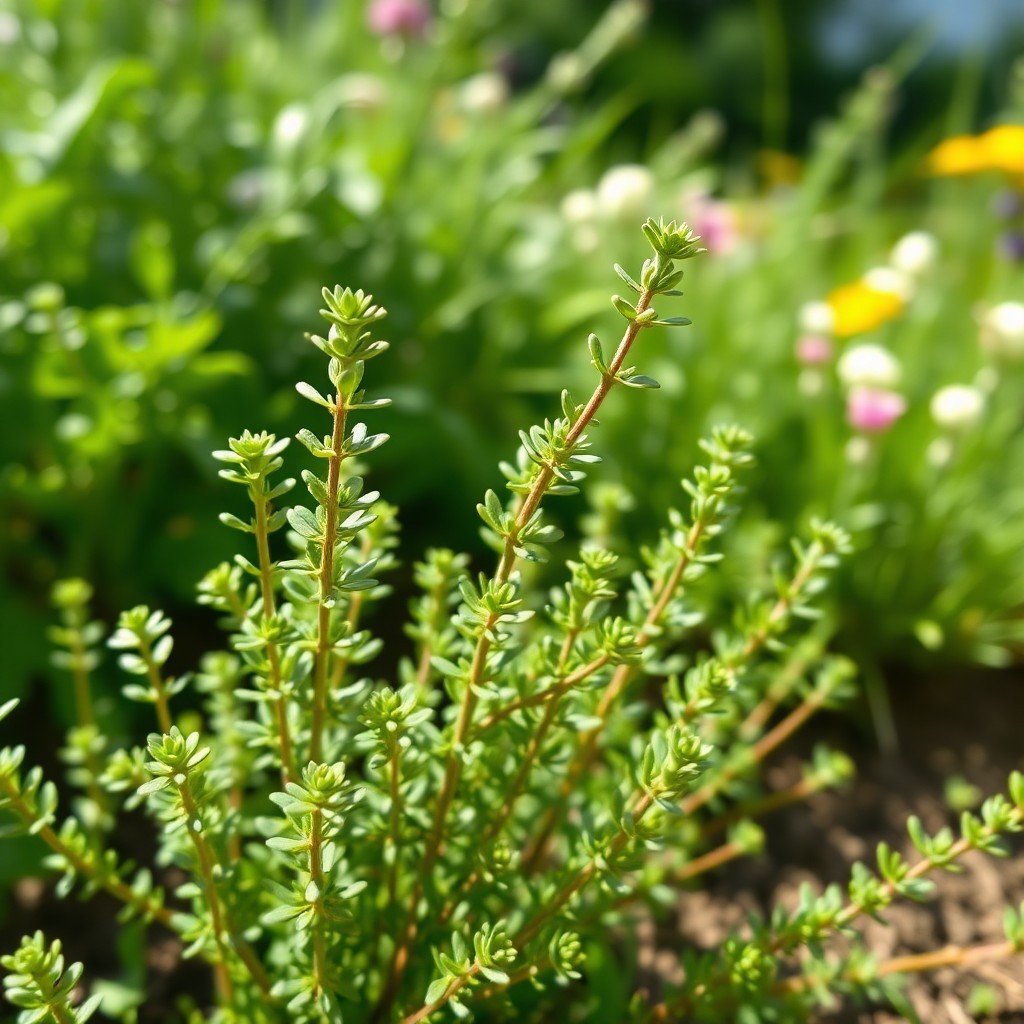
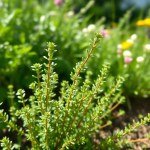
Local Thyme is a fragrant, hardy evergreen perennial prized for its tiny grey-green leaves and warm, savoury, slightly peppery aroma. Forming a low, spreading mound 15-30 cm tall, it earns a place in every kitchen garden: the leaves season grilled meats, stews, and roasted vegetables, brew into a comforting herbal tea, and lend a Mediterranean note to bread and pickles. Its neat, woody habit and clouds of tiny tubular white, pink, or lavender flowers also make it a lovely ornamental for borders, rockeries, and pathway edges.
Planting
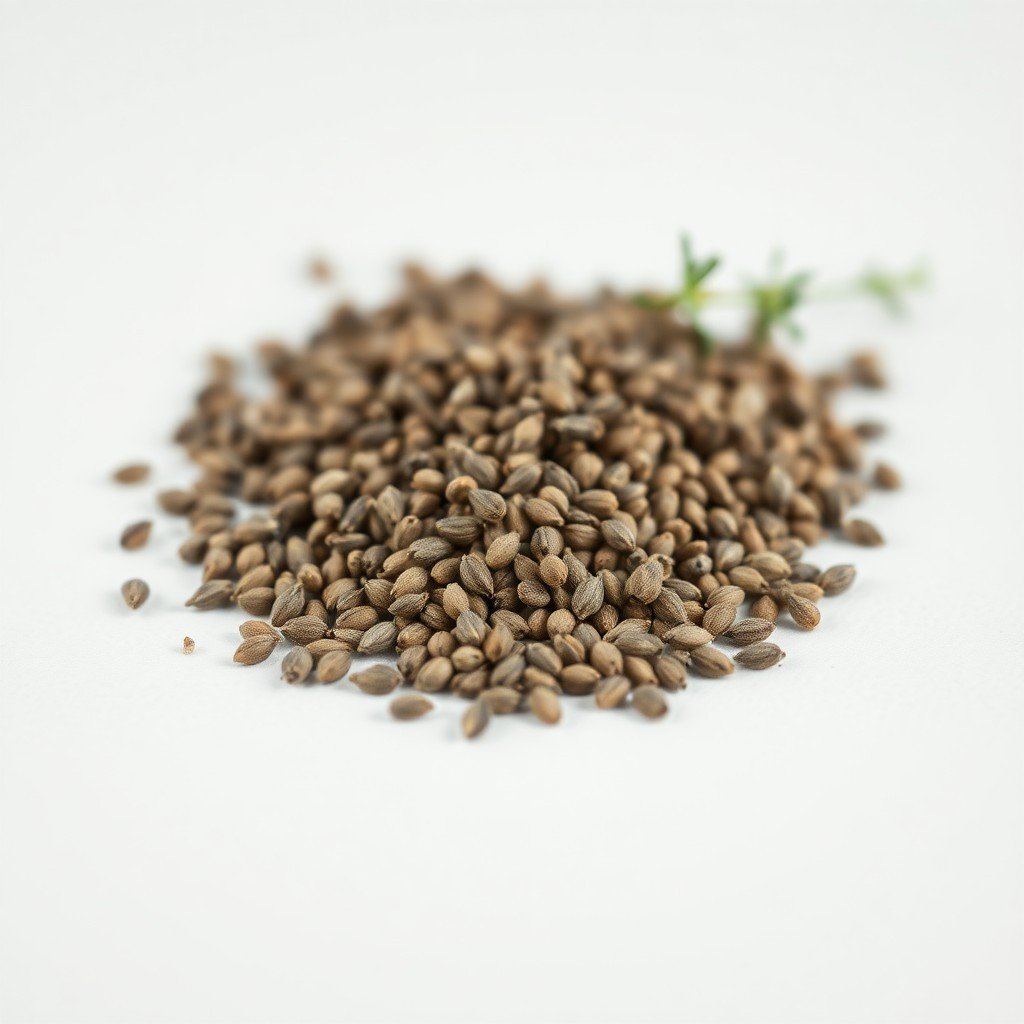
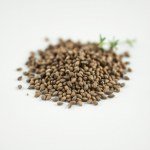
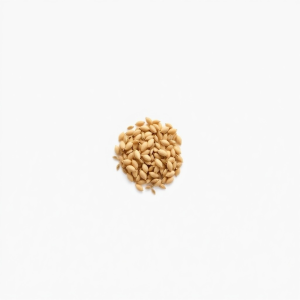
The seeds are very fine and need light to sprout, so scatter them thinly over the surface of moist seed compost and leave them uncovered, or barely dust with mix no more than 0.5 cm deep. Keep the medium at about 18-21 C; germination is slow, usually 14-21 days. Start indoors in flats roughly 8-10 weeks before transplanting. In Egypt, sow in autumn (late September to November) for the strongest results, or indoors in January-February for a late-winter planting. Give plants full sun, six or more hours daily, and space them 15-30 cm apart in rows 30-45 cm apart. Avoid sowing during the June-August heat.
Fertilizing
Thyme is a light feeder and thrives in lean, low-fertility soil. Over-feeding weakens the leaf flavour and reduces its essential-oil content, so resist rich or high-nitrogen feeds. A modest compost amendment worked in at planting is usually all it needs; if you choose to feed, apply only a small, diluted dose such as fish emulsion in early summer. Keeping nutrients minimal preserves the aromatic punch that makes local thyme so valued.
Care
Plant in light, well-drained soil at a neutral-to-alkaline pH of about 6.0-8.0; it tolerates dry, sandy, and rocky ground, so amend heavy soil with compost for drainage. Keep the medium moist until seedlings establish, then water sparingly, letting the soil dry between waterings, since damp roots invite rot. In hot regions give light afternoon shade. Watch for aphids and spider mites, treating with insecticidal soap or neem oil, and prevent fungal disease with good air circulation. Harvest just before flowering, cutting sprigs back to about 10-12 cm.