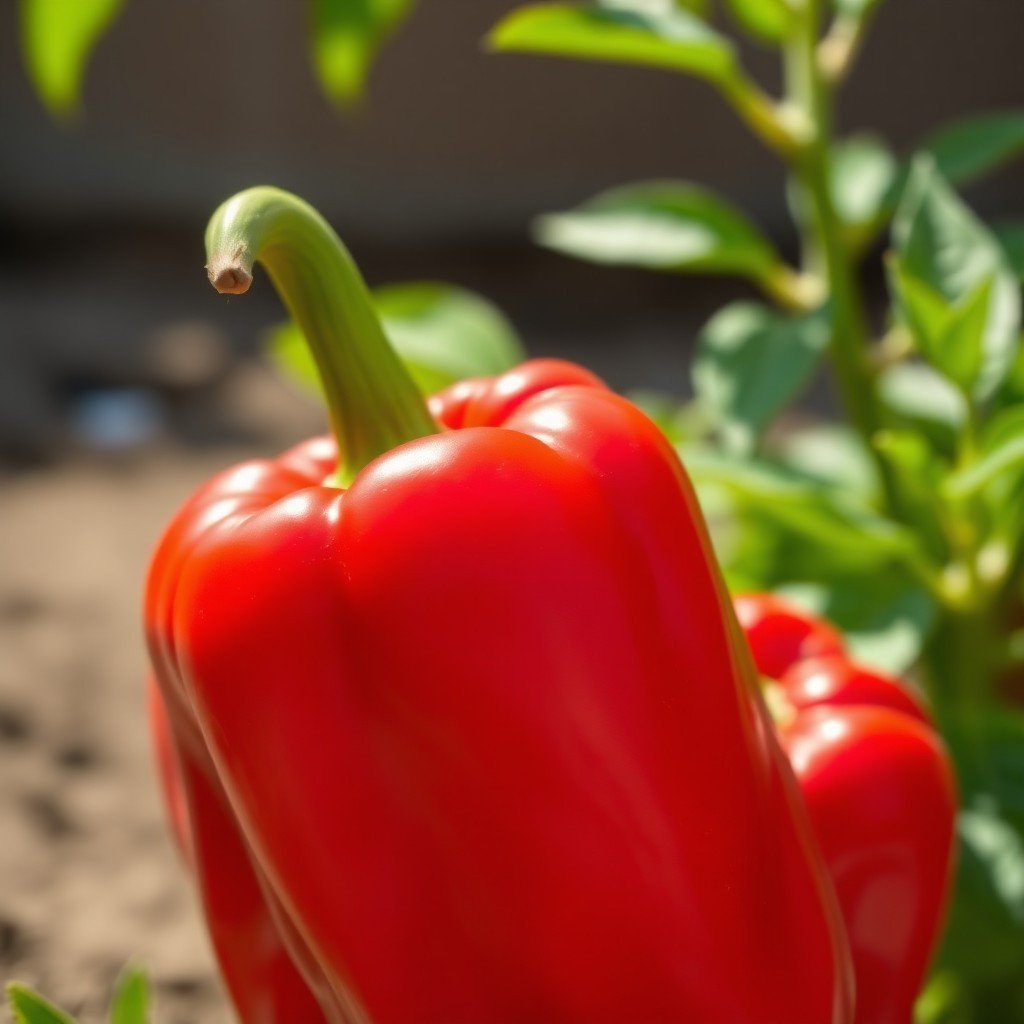
Rocky F1 is an imported hybrid sweet bell pepper prized for its vigorous, productive plants and handsome, blocky fruit. Each pepper develops thick, juicy walls and a glossy skin, ripening from a crisp, mild green to a deep, sweet red the longer it stays on the plant. The clean, fleshy flavour makes it a kitchen favourite — wonderful raw in salads, stuffed and baked, roasted for sandwiches, or sliced into stir-fries and fajitas. Its uniform shape and bright finish also make it an attractive choice for fresh-market displays and home gardens alike.
Planting
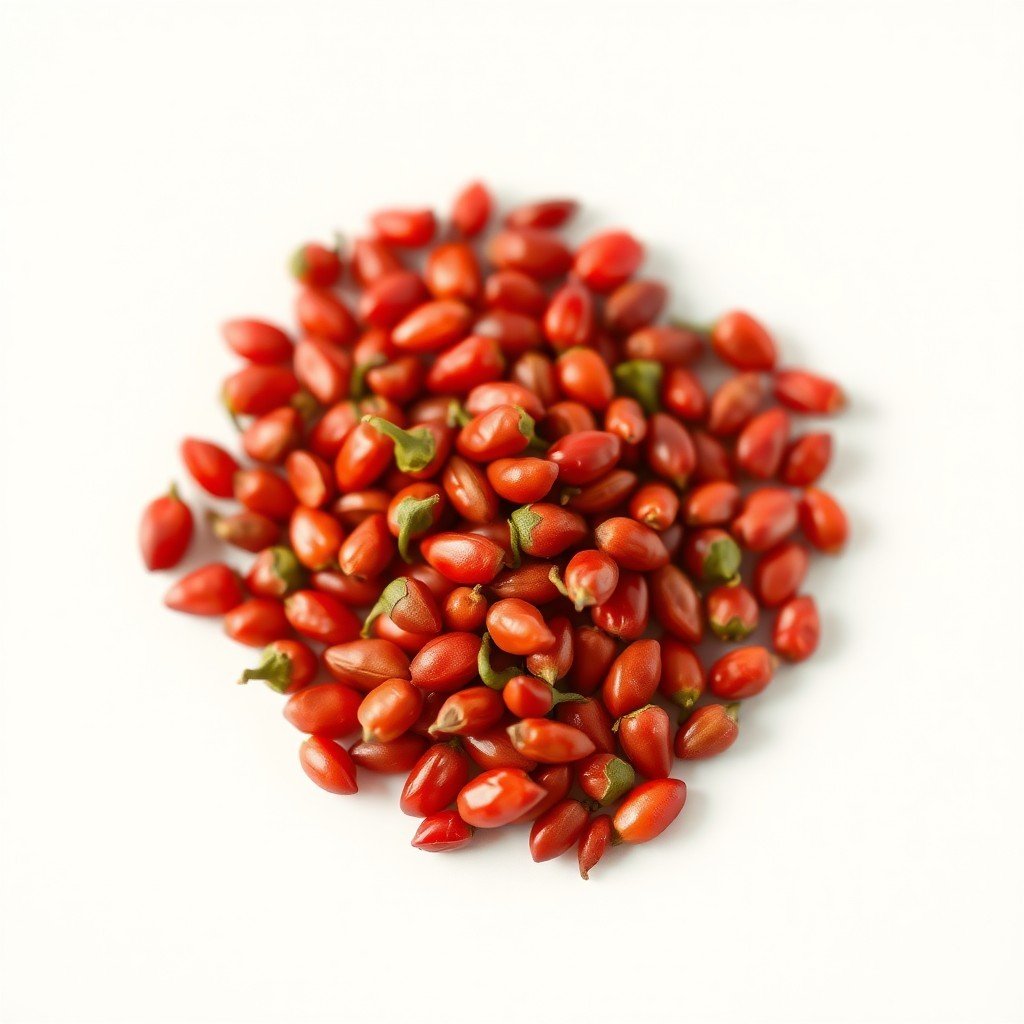
Peppers are a warm-season crop, so start the seed indoors about 8 weeks before you plan to transplant outdoors. Sow about 0.6 cm deep in a sterile seed-starting mix. Warmth is key to germination: aim for a soil temperature of 27-32°C, at which seeds typically sprout in about 7-10 days; in cooler soil they emerge very slowly, and around 18-21°C is the minimum needed to germinate at all. Once the true leaves appear, thin or prick out the seedlings to about 5-7.5 cm apart. Move them outdoors only after all frost has passed, when nighttime lows stay above 10°C and the soil has warmed to roughly 18°C. Choose a full-sun spot and space the plants about 30-46 cm apart in rows 61-91 cm apart.
Fertilizing
Go easy on nitrogen — too much produces bushy, leafy plants that set little fruit. At transplanting, water the young plants in with a high-phosphorus starter solution to get the roots established. After the first flush of peppers has set, apply a supplemental side-dressing, adding phosphorus and potassium according to a soil test. For peppers grown in containers, feed weekly with a high-potassium liquid fertiliser once flowering begins.
Care
Keep the soil evenly moist, supplying about 2.5 cm of water per week whenever rainfall falls short. Drip irrigation is ideal — avoid overhead watering, and never let the moisture swing between wet and dry, as inconsistent watering triggers flower drop and blossom-end rot. The plants perform best above 15°C; temperatures over 30°C reduce fruit set, while nights below 10-13°C slow growth. Watch for common pests such as aphids, cutworms, tomato hornworms, tarnished plant bugs and flea beetles, and for diseases including bacterial spot, Phytophthora and mosaic viruses; blossom-end rot and sunscald are physiological disorders to guard against too. Harvest green peppers once they reach about 8-10 cm long and are firm, glossy and full-sized, or leave them on the plant to ripen red for a sweeter taste. Pick the first fruits promptly with shears to encourage more to set; maturity runs roughly 60-90 days from transplant.
Growing in Egypt
Because peppers are frost-sensitive and need soil above about 18°C to transplant with air temperatures of 15-30°C for good fruit set, the Egyptian calendar favours the mild shoulder seasons. For the main spring/summer crop in the Nile Delta and Lower Egypt, start seed in a nursery or greenhouse in January-February and transplant 45-60 day-old seedlings in March-April once frost risk has passed and the soil has warmed, harvesting from late spring into early summer before the peak heat. For a fall ("Nili") crop, sow in July-August and transplant in late August-September for harvest through the cooler autumn months. In the North Delta, simple low tunnels or greenhouses allow protected winter production, transplanting in autumn and cropping through the mild winter. In warmer Upper Egypt (Assiut, Sohag, Aswan), shift spring planting earlier — transplant in February-March so flowering finishes before the very hot months — and favour the autumn and winter slots, since mid-summer temperatures routinely exceed 35-40°C and will abort the blossoms.