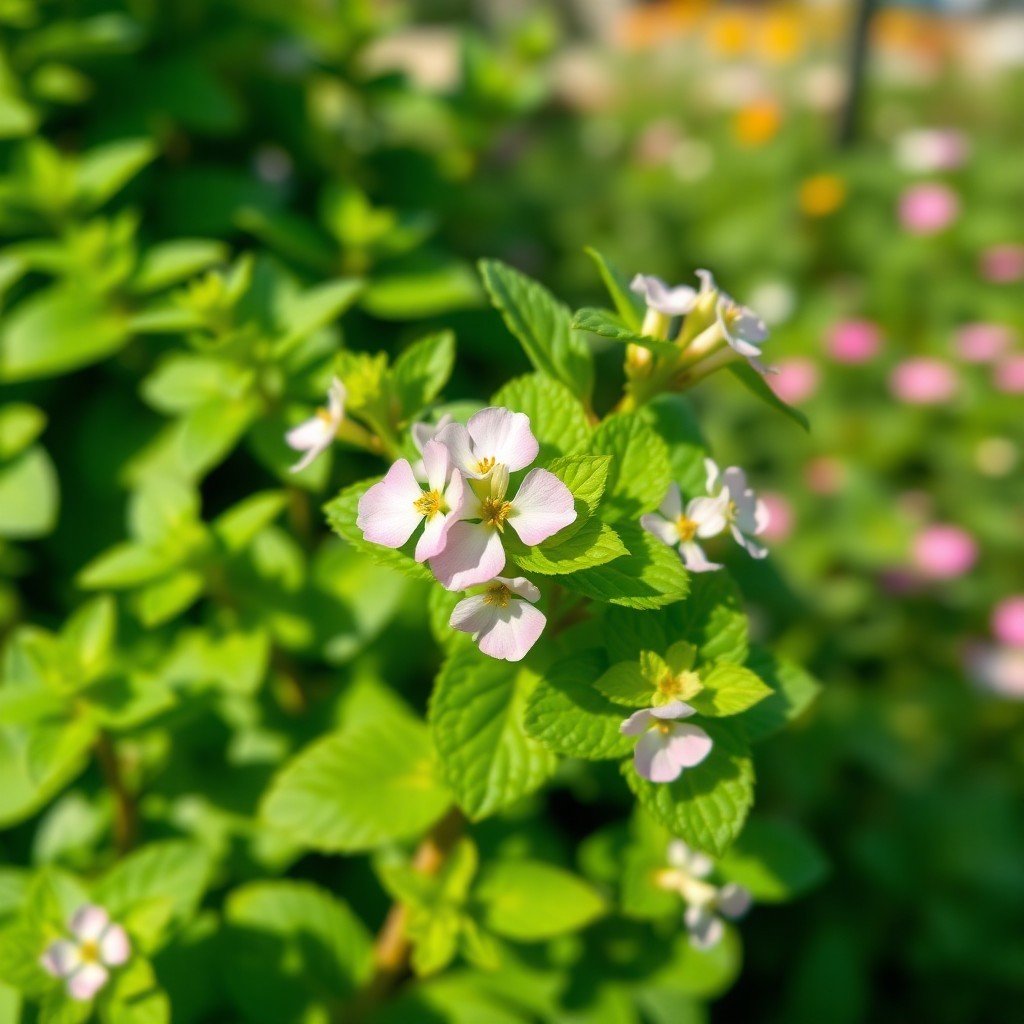
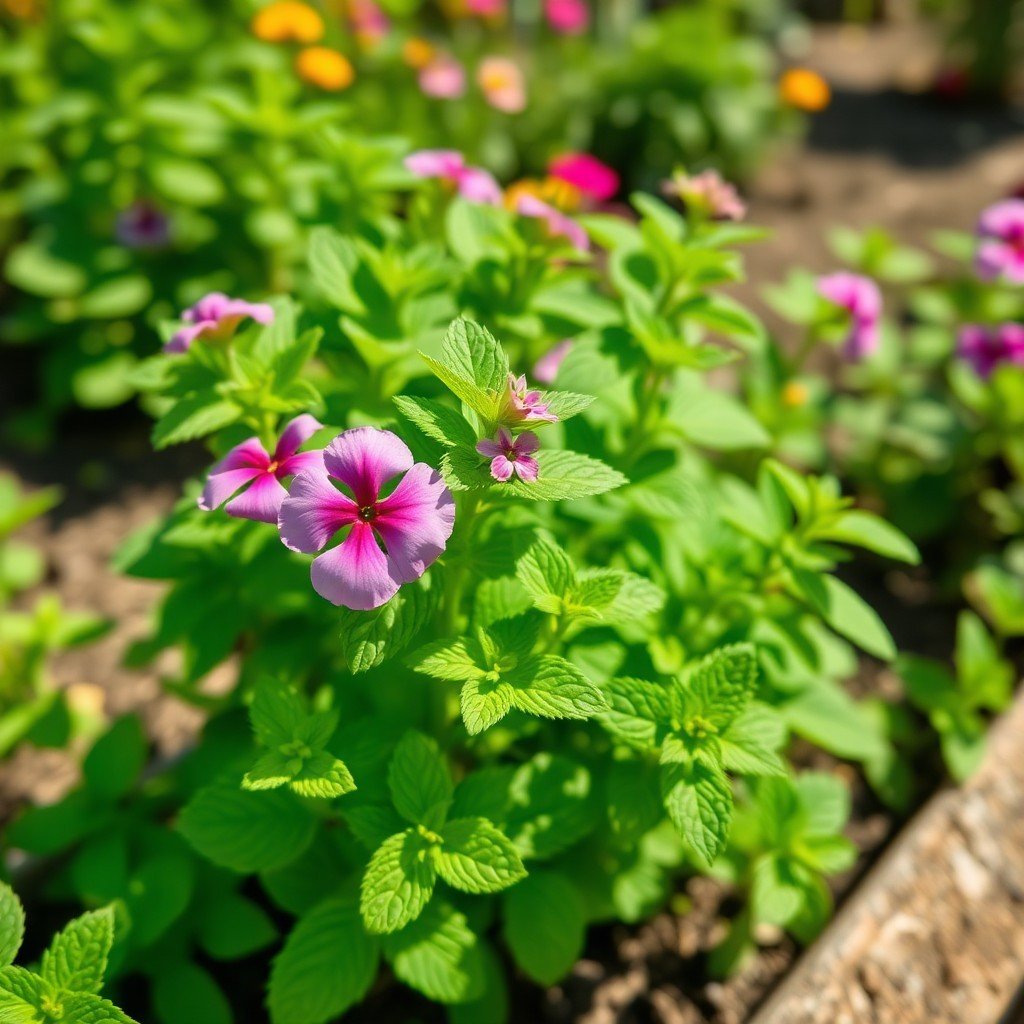
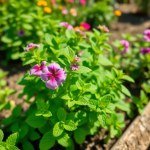
Mint is one of the most rewarding herbs you can grow: an aromatic, fast-spreading perennial prized for its cool, refreshing menthol scent and crisp green leaves. The soft young shoot tips carry the most intense flavour, making them ideal for tea, cold drinks, salads, sauces and everyday cooking. Vigorous and generous, mint forms a lush leafy clump and spreads readily by underground rhizomes once it settles in, so a single planting quickly becomes a steady supply of fresh leaves.
Planting
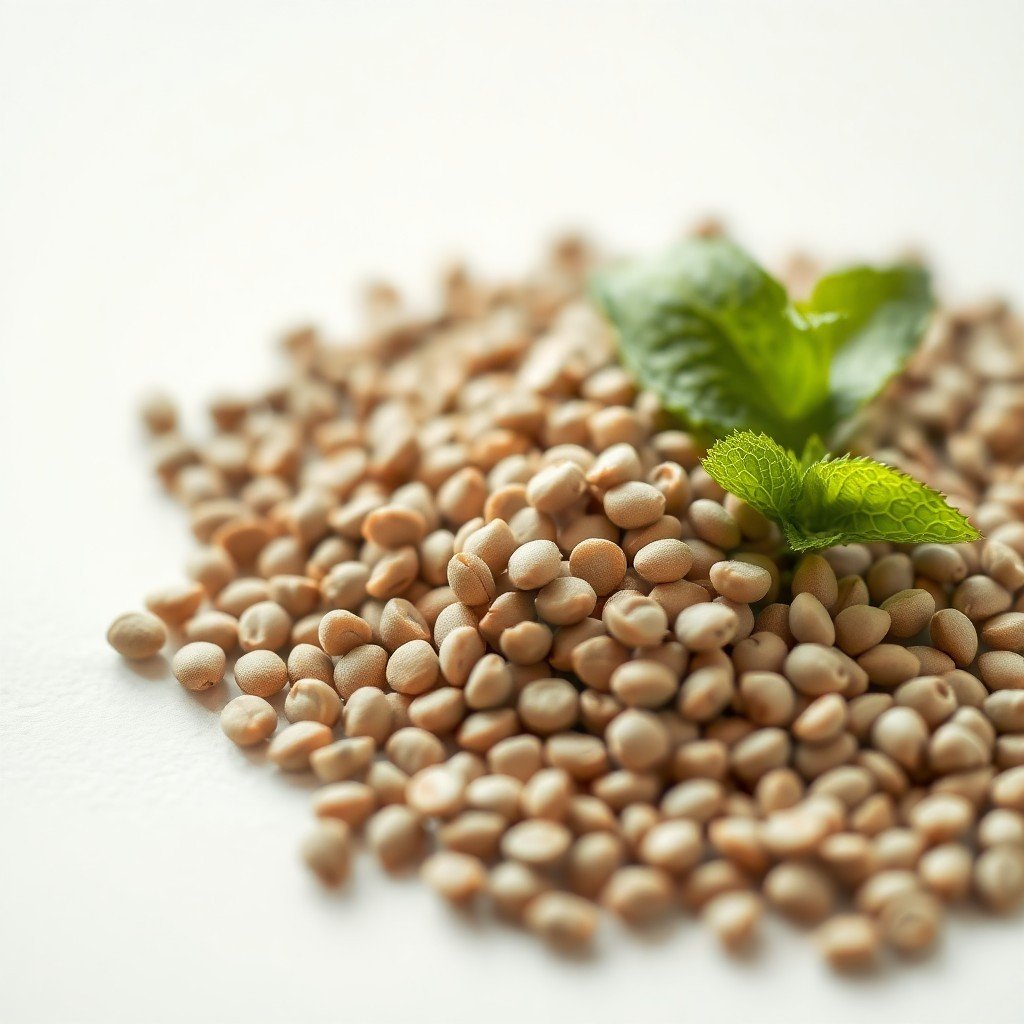
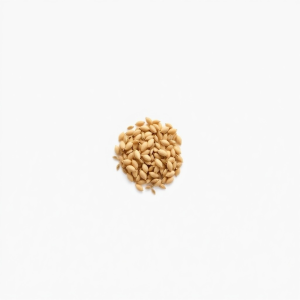
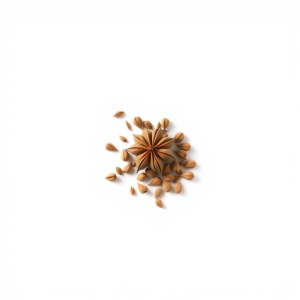
Mint is more commonly propagated vegetatively than from seed, but it grows well from seed when started indoors in spring, about 6 to 8 weeks before your spring planting date, and transplanted out after all danger of frost has passed. The seed needs light to germinate, so surface-sow it: press the seeds onto the surface of the growing medium and do not cover them. Keep the medium moist and lit while the seed comes up; germination takes about 10 to 14 days at 22 to 24 C, or around two weeks at roughly 20 C. Once seedlings have several leaves, pot them up into a 7.5 cm pot. Set plants out about 45 cm apart (or 30 to 45 cm apart in rows 45 cm apart); mature mint reaches about 45 to 90 cm tall and spreads aggressively by rhizomes. Choose a spot in full sun to partial shade with at least 4 to 6 hours of sun a day. Mint will grow in sun or shade but is most productive in full sun, while still tolerating light shade.
Fertilizing
Mint prefers rich soil that is high in organic matter, and in well-amended ground it may not need any added fertilizer. Before planting, work compost or well-rotted manure into the bed to supply nutrients and improve drainage, aiming for a soil pH of about 6.0 to 6.5. If you do feed, apply nitrogen from spring to early summer to match the plant's active growth. Avoid excess nitrogen: it produces soft growth that attracts spider mites and aphids and can aggravate disease.
Care
Keep the root zone consistently moist so the soil stays damp but never waterlogged, and never let the plants wilt between waterings. Water the soil directly rather than the foliage to reduce leaf disease, and water deeply instead of giving frequent light sprinklings; drip irrigation is preferred over overhead sprinklers. Watch for common problems such as mint rust, aphids, spider mites (favoured by hot, dry conditions and excess nitrogen), blue mint beetle, mint moth and leafhoppers; verticillium wilt is a serious soil-borne disease, so use disease-free planting stock and dislodge aphids and mites with a strong jet of water or insecticidal soap. To keep the clump vigorous, divide established plants every 3 to 4 years, and divide clumps or take softwood cuttings from new shoots in spring. Harvest individual leaves or shoot tips once plants are established, since the young, soft tips have the most intense flavour, and remove flower spikes to keep that leaf flavour strong. For drying or the strongest oil, cut the whole plant just as the flower buds begin to appear. The harvest season runs from late spring to autumn, and frequent cutting promotes bushier growth; after flowering, cut the whole plant back to about 5 cm from the base to encourage fresh new growth.
Best time to plant in Egypt
Mint is a hardy perennial that dislikes extreme heat, so the ideal establishment windows in Egypt are autumn (September to November) and late winter to early spring (February to March), avoiding the peak summer heat of June to August. In the Nile Delta and Lower Egypt, where conditions are milder and more humid, set out divisions, rooted cuttings or seedlings from late September to November so roots establish during the mild winter (around 10 to 20 C, which matches mint's preferred range) for strong spring growth; a February to March planting also works, and mint stays productive through Delta winters with light protection. In the warmer Upper Egypt, favour autumn planting (October to November) and the winter-to-early-spring window, and provide partial or afternoon shade plus consistent deep watering through the hot months to prevent wilting and spider-mite outbreaks, keeping nitrogen low since excess worsens mites in the heat. Across Egypt, harvest runs from spring into autumn: cut shoot tips regularly and cut the plant back hard if it flowers in summer. These local dates are inferred from the verified temperature, watering and pest facts mapped onto Egypt's mild winters and hot summers, so treat them as a helpful guide.