Jun 20, 2026 / By Anas Heaba / in Growing Guides
Are you facing difficulties in your home garden due to water scarcity or limited space? Switching to smart farming is an ideal solution to these challenges. With today's technology, you can boost your garden's productivity and reduce water usage.
In this article, we will explore how to start your smart farming journey by understanding its fundamentals and applying them effectively.

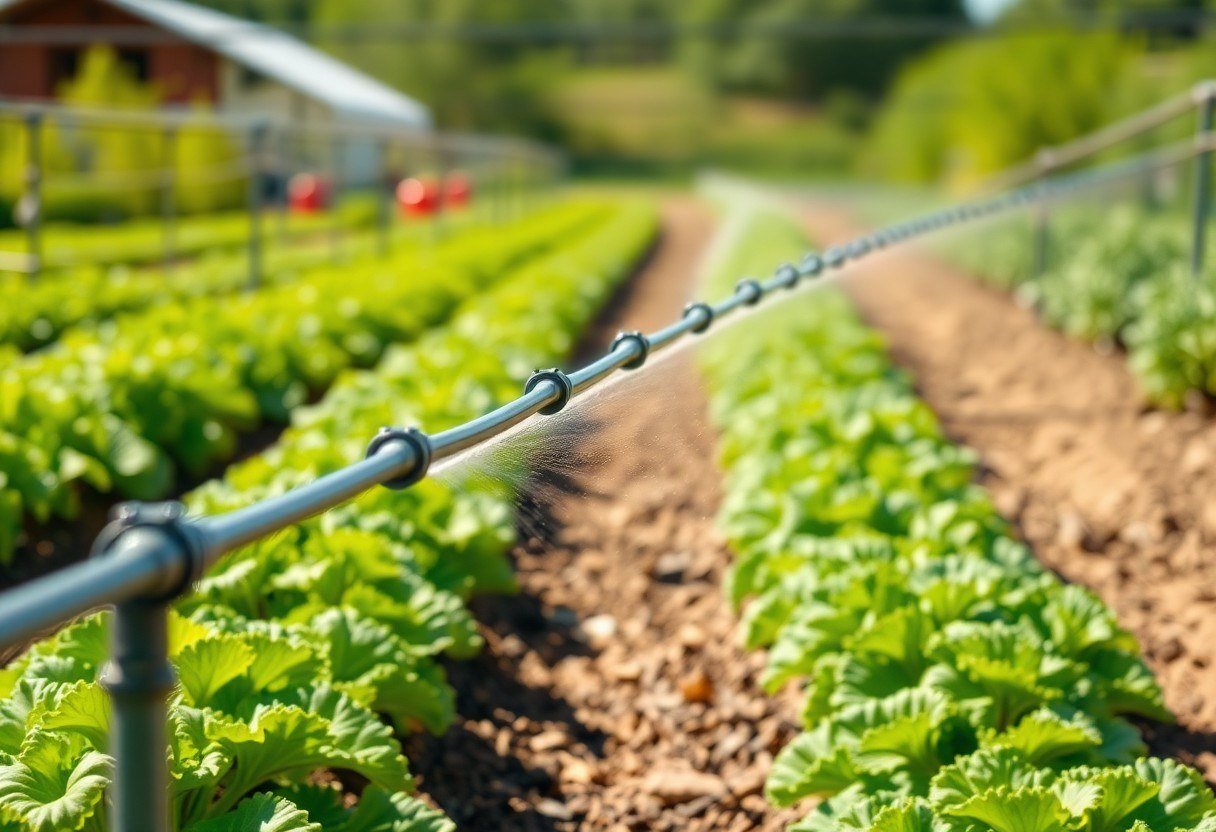
Smart farming allows you to utilize resources more efficiently, such as water and energy. In Egypt, where water scarcity is a major challenge, smart farming can help reduce water usage by up to 50%. Additionally, productivity can increase by up to 30% using more efficient irrigation methods.
According to data from the Egyptian Ministry of Agriculture, more than 80% of the country's water is used in agriculture. Therefore, applying smart agricultural methods can positively impact the country's overall water consumption.
The problem of water scarcity in agriculture stems from several factors, including the inefficiency of traditional irrigation systems and climate change. Without smart irrigation technology, a lot of water can be wasted through evaporation or runoff.


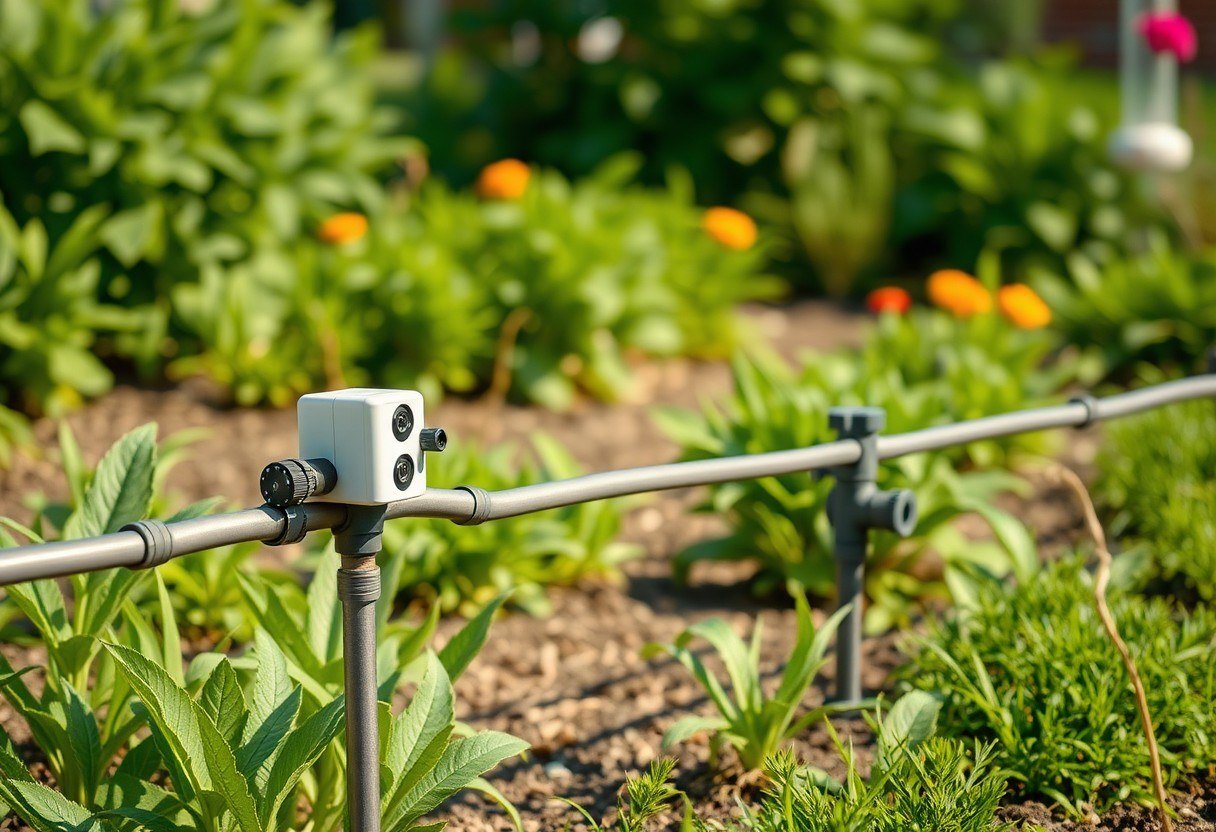
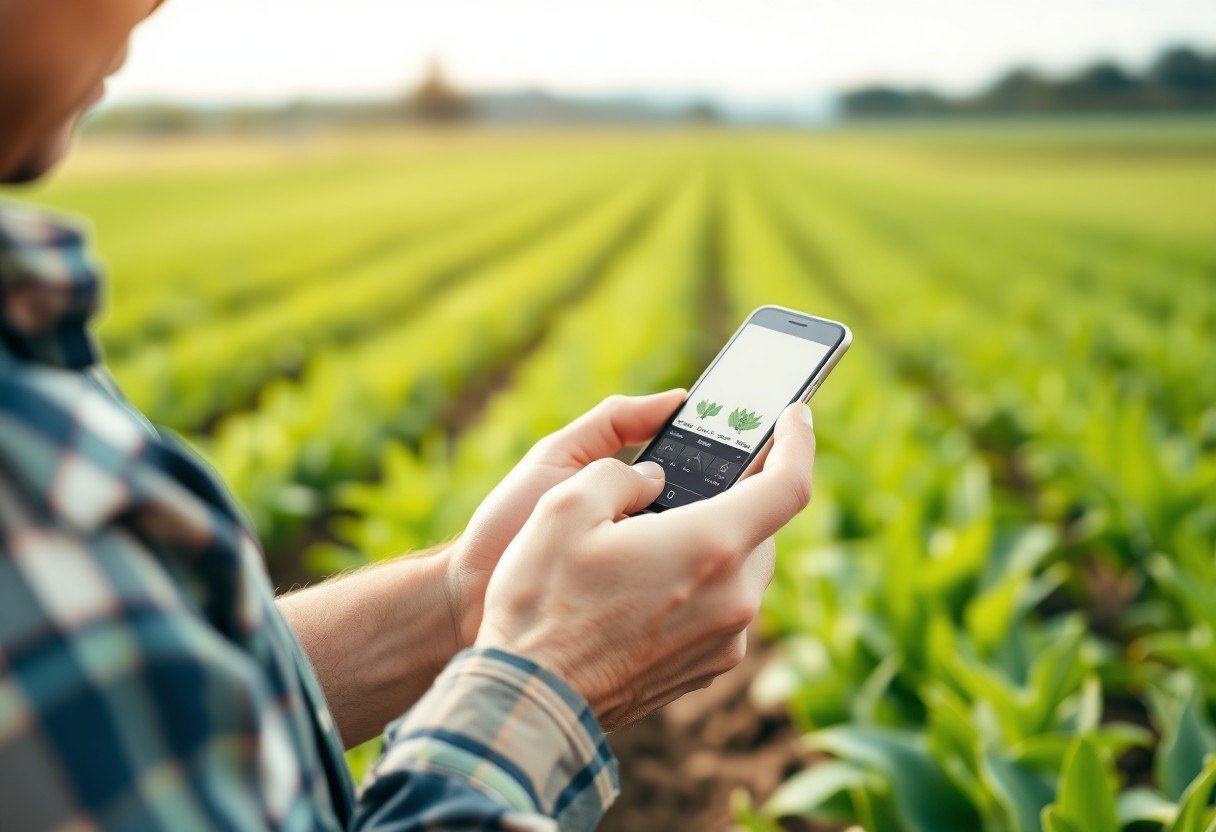
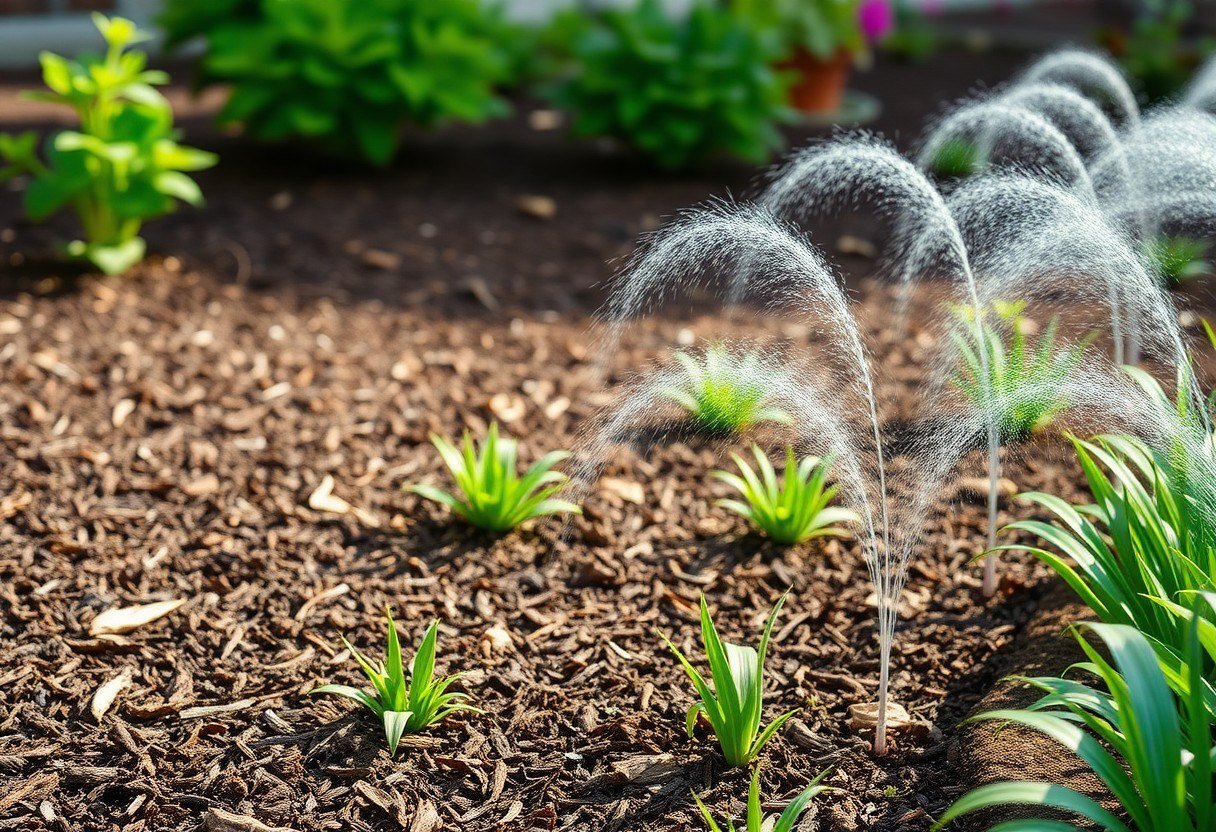
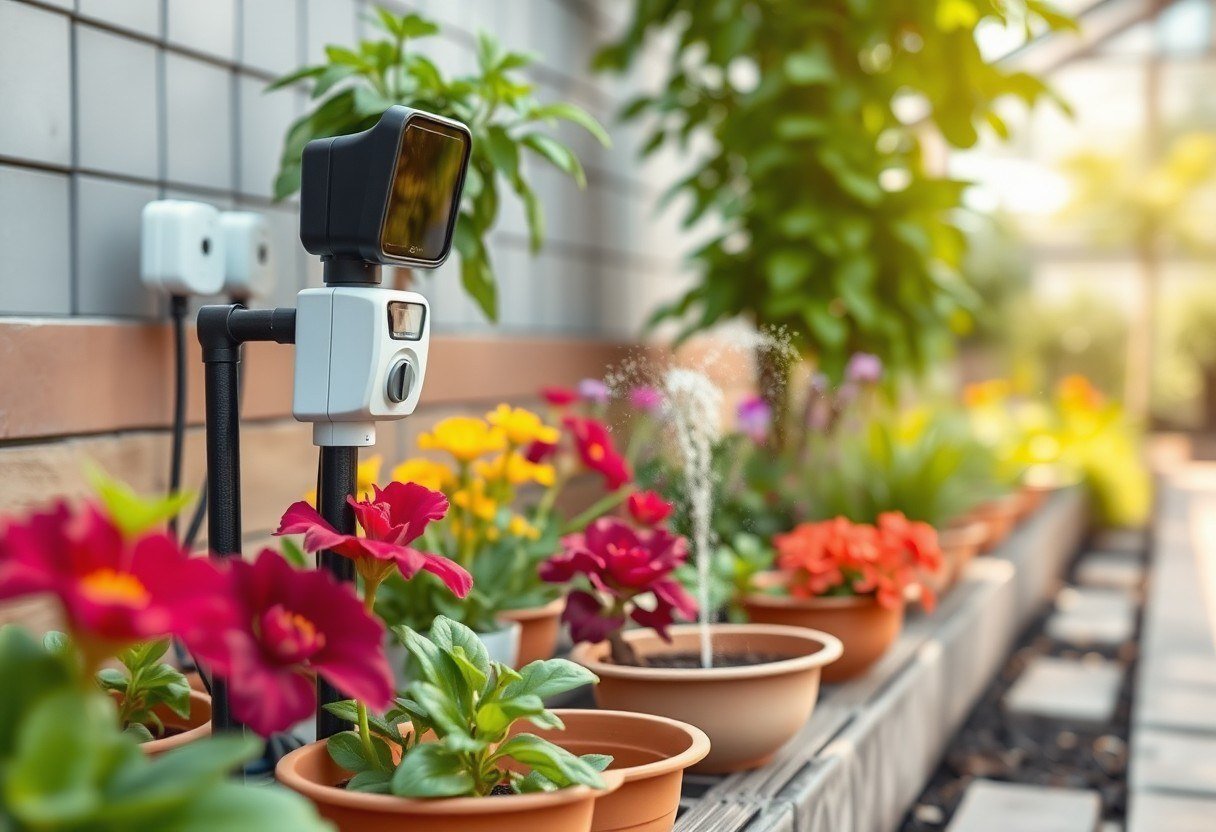
A smart irrigation system is a monitoring and control system that uses computer and internet technology to ensure precise, water-saving irrigation.
You can improve your garden's productivity by using smart irrigation systems, monitoring soil moisture, and applying modern agricultural methods.
Soil sensors allow you to accurately assess water needs and reduce excessive water consumption.

Smart farming offers many solutions to traditional farming problems, including water conservation and improved productivity. By using smart irrigation systems and monitoring soil moisture, you can achieve better results in your garden. And don't forget to use the 37-in-1 Sensor Kit for Arduino & Microcontrollers to enhance your smart farming experience.
Jun 20, 2026 by Anas Heaba
Jun 19, 2026 by Anas Heaba