Jun 18, 2026 / By Anas Heaba / in
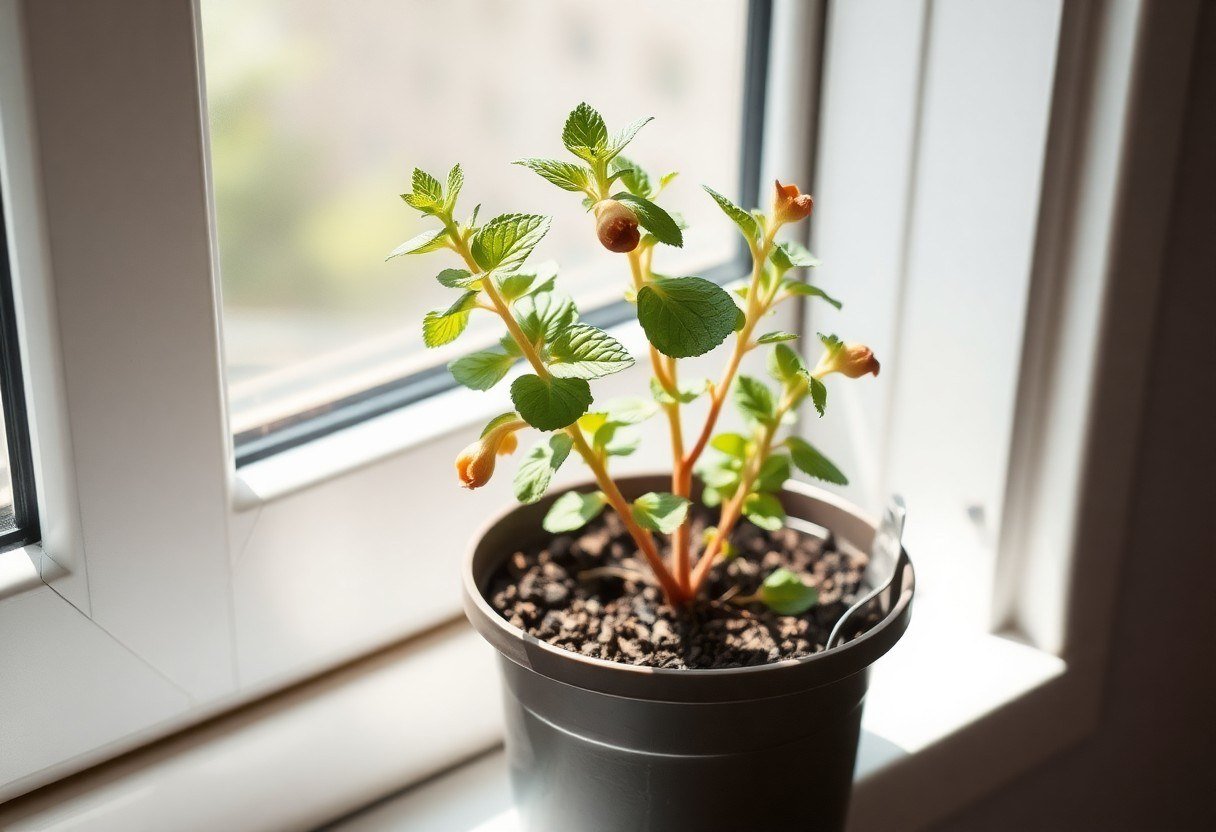
You open your balcony door at noon, and there it is—your Egyptian mint that was full of leaves and fragrant just yesterday, now with shriveled leaves, drooping stems, and its head bent over the pot’s edge. It stings, not just because you lost a plant, but because of the fresh mint tea you imagined brewing this morning. This scene repeats in countless homes, especially during Egypt’s harsh summer months. You try to fix it—water more, move it inside—but the result is the same: gradual or sudden death.
The truth is, Egyptian mint is not just an ornamental plant; it’s part of our heritage and kitchen, which is why losing it hurts so much. But the real question is: Is the problem with the mint itself, or how we treat it? The short answer: how we treat it. Egyptian mint is one of the toughest aromatic plants, but it hates two things: suffocated roots and stagnant water. In this article, you’ll understand exactly why your mint dies, and learn practical steps to make it live, grow, and regenerate on its own—even if you live on the tenth floor and your balcony turns into an oven in August.

In Egypt, growing Egyptian mint at home is not a luxury—it’s an economic and health necessity. A bundle of mint at the market now costs by the gram, not by the bunch, its quality is uncertain, and it’s often drenched in pesticides or watered with unclean water. When you grow your own, you guarantee a 100% organic product, save money, and enjoy a much stronger flavor and aroma than anything store-bought. Plus, Egyptian mint, with its volatile oils, is a natural insect repellent against mosquitoes and flies, making it your balcony’s personal guard.
Moreover, mint is one of the easiest plants to grow in small spaces—whether in a pot on a windowsill or a cut barrel on the roof. But the real challenge in Egypt is the intense heat and occasional scarcity of clean water. Many of us think mint “needs sun,” so we place it in the hottest spot and overwater it, leading to disaster. Understanding the relationship between Egypt’s climate and mint’s nature is key. Statistically, 80% of home mint deaths are caused by root rot due to poor drainage, not underwatering—and that’s what we’ll dive into.
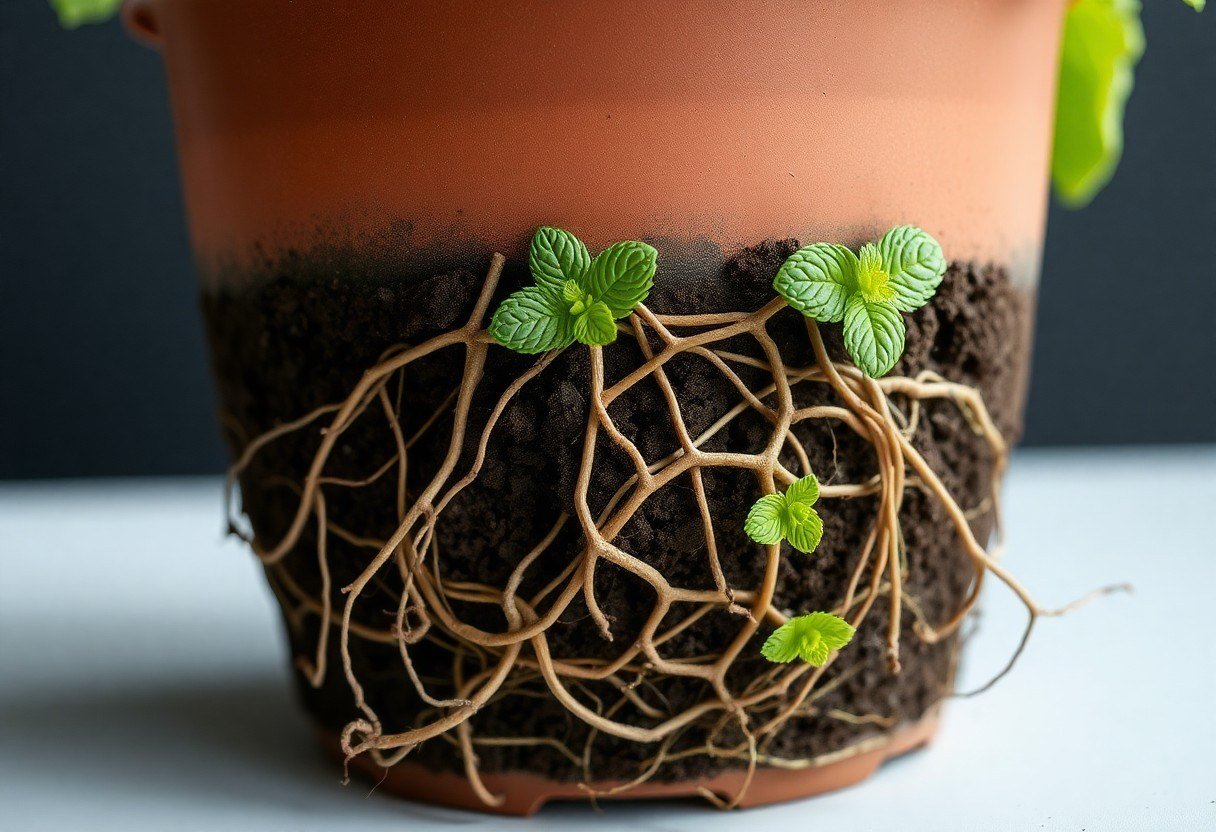
To understand the problem, you need to know that mint has shallow, creeping roots called rhizomes. These roots need to breathe, so they require light, loose soil. When you use heavy clay soil from the nursery and plant in a plastic pot with insufficient drainage holes, you’re literally suffocating it. With every watering, water fills the air pockets in the soil, the roots drown and begin to rot. This rot invites soil fungi that attack the weakened roots—scientifically called root rot.
The second problem is “heat and moisture shock.” At noon, black plastic pots heat up rapidly, raising the soil temperature inside to 50°C easily. This cooks the living roots. When you water at that time, the sudden difference between soil heat and cool water causes fatal thermal shock. Additionally, many people spray water on the leaves in direct sun, which is a deadly mistake: water droplets act like magnifying glasses, focusing sunlight and burning the leaves. Also, Egyptian mint loves high humidity around its leaves, but hates having its feet constantly in water—a paradox we must handle wisely.

The solution isn’t magic, but a set of simple steps that, when applied in order, will keep your mint alive for years. Let’s start with practical steps from start to finish:

Beyond the basic steps, small details make a big difference in your mint’s health. Here are some tips from hands-on experience:
Many mint-growing mistakes happen with good intentions, but correcting them is easy. Avoiding these errors is half the battle:

Bitter taste is often because the plant has started flowering, or it’s planted in very poor soil. Once mint produces flower buds, all its energy goes to the flower, not the leaves, and essential oils decrease. The solution: remove any flower buds as soon as they appear, and focus on light organic fertilizing. Also, mint grown in full shade all day has a weak flavor—it needs morning sun to develop oils.
You can, but it won’t be as strong or fragrant. Mint needs very bright light to produce the volatile oils responsible for its smell and taste. If you want to grow it in the kitchen, it must be on a windowsill that gets at least 3–4 hours of direct sunlight, or use specialized LED grow lights. Without enough light, stems will stretch and weaken, and leaves will be small and pale.
Mint is a perennial, but it enters natural winter dormancy if it gets very cold. To keep it going, protect it from cold drafts and move it to a warm, sunny spot indoors. Reduce watering significantly in winter, as roots are semi-dormant and don’t use much water. You can give it a hard prune in late autumn, and it will come back strong in spring. If the weather is mild, it will continue growing slowly.

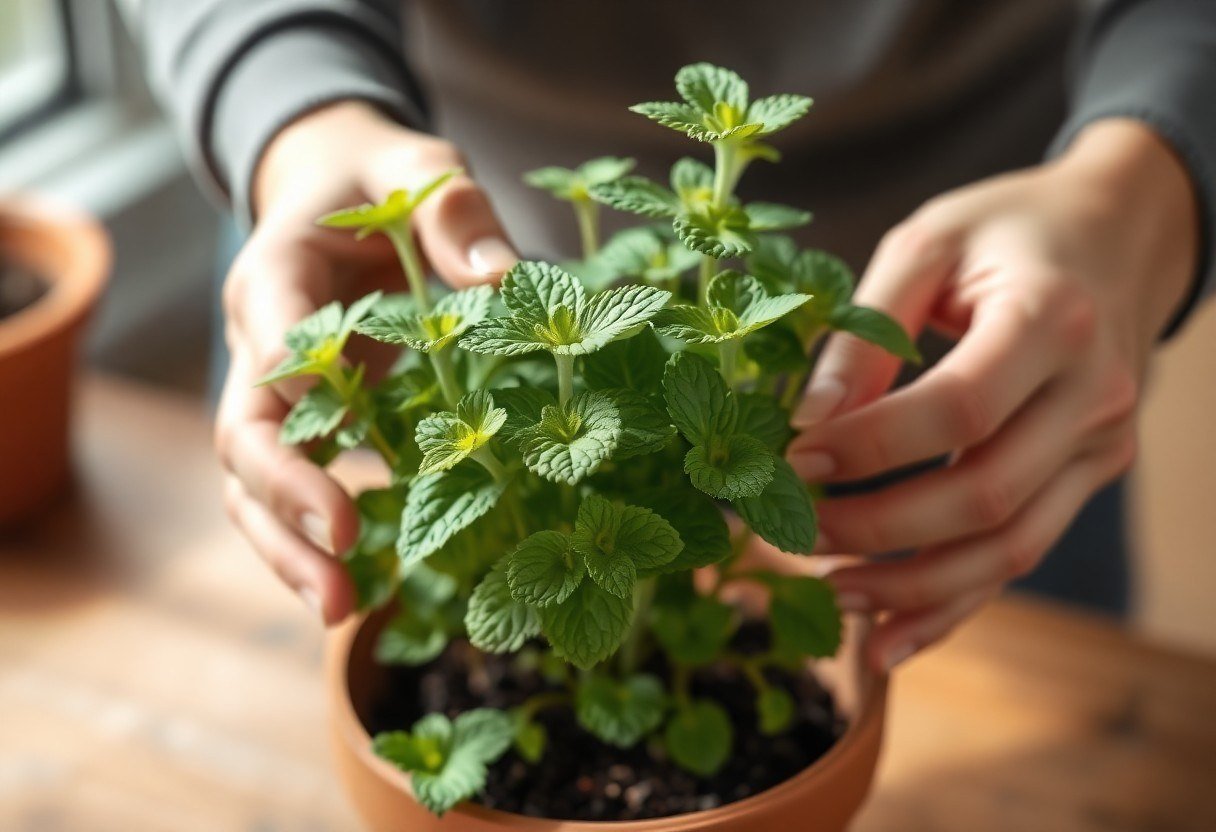
Egyptian mint is more than a plant—it’s a companion on your daily journey, from your morning tea to your lunch salad. Its wilting doesn’t mean you have a black thumb; it means you need to understand its language and speak to it correctly. The secret lies in three words: drainage, aeration, and pruning. Start today by checking your mint pot: if the soil is heavy, change it. If the pot has no holes, repot it. If the branches are long and floppy, trim them. Just one step can turn things around 180 degrees. Try it, notice the difference yourself, and share your experience so we can learn from each other. Your Egyptian mint is strong and resilient—it just needs a little understanding to blanket your balcony in green and fragrance that delights the heart.