Jun 20, 2026 / By Anas Heaba / in Growing Guides
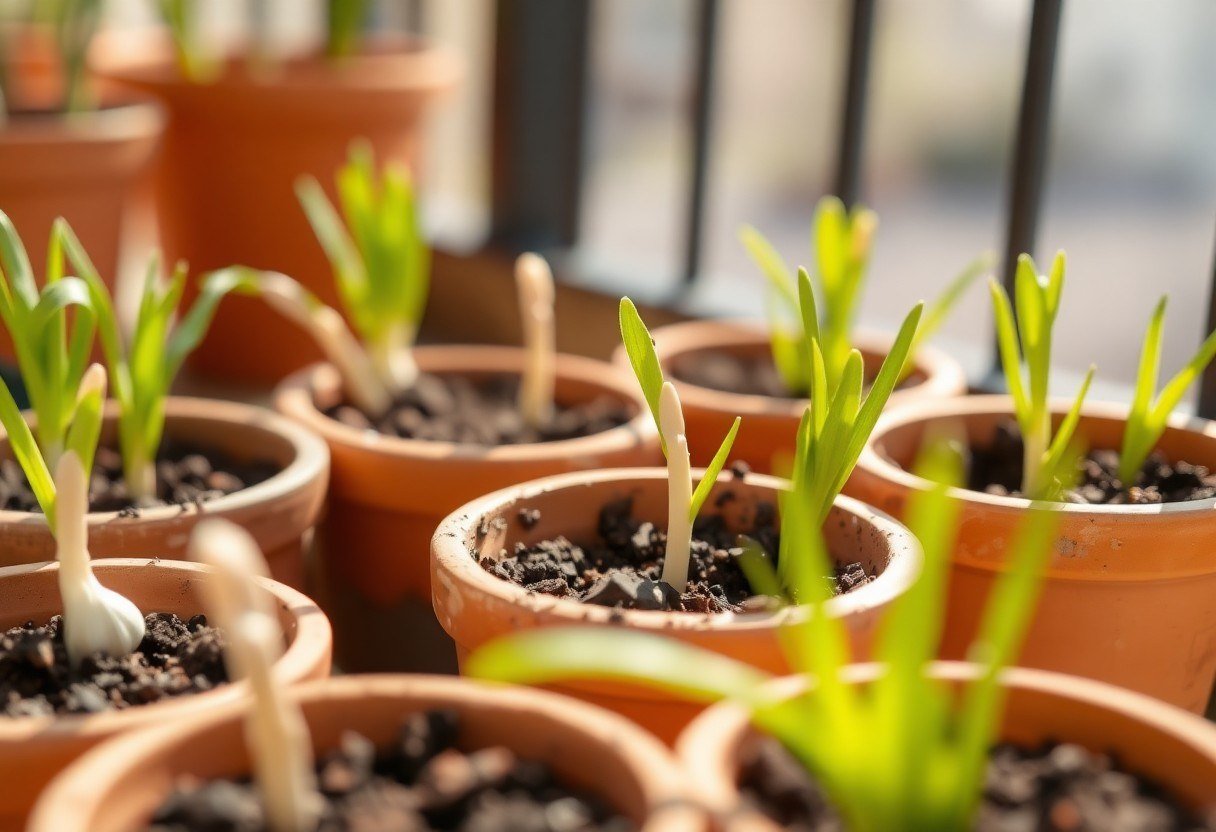
You buy a head of garlic from the market for a small amount, and after two weeks you find it starting to dry out or sprouting green cloves, so you throw it away thinking it's spoiled. But did you know that these sprouting cloves are the most valuable thing you can use? In a country like Egypt, where we rely on imported garlic out of season and prices multiply in winter, growing it at home becomes a practical solution that saves you money and gives you a fresh organic harvest.
Garlic is not just a spice added to food; it is a natural antibiotic, an immune booster, and a blood pressure reducer. The best part is that it is the easiest winter crop you can grow without prior experience. It does not need a large area or complicated care—just a few cloves, good soil, and a sunny spot. In this article, we will take you step by step from clove to harvest, so you can become self-sufficient in garlic all year round.

In Egypt, we consume about 300,000 tons of garlic annually, but local production does not cover all needs, especially outside the harvest season (May–June). This means the garlic you buy in winter is often imported or old stock, losing much of its nutritional value over time. A study published by Cairo University in 2021 showed that fresh garlic contains twice the amount of allicin (the active compound responsible for its health benefits) compared to garlic stored for more than 3 months.
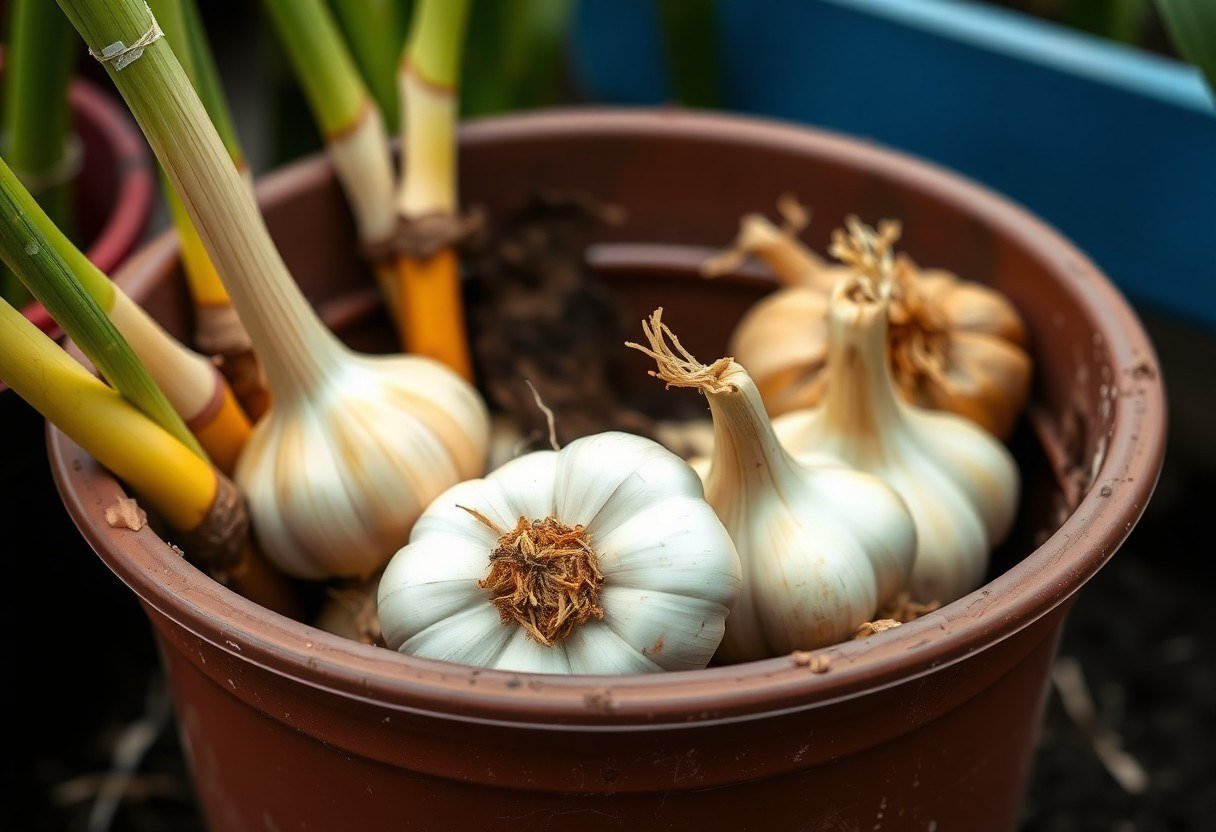
Moreover, growing garlic at home does not require large spaces. You can grow it in pots on the roof or balcony, or even in wooden boxes on the wall. It is an ideal winter crop, tolerating cold down to 5°C, and uses less water than most leafy vegetables. In times of water scarcity and rising prices, growing garlic is a smart step toward household food security.
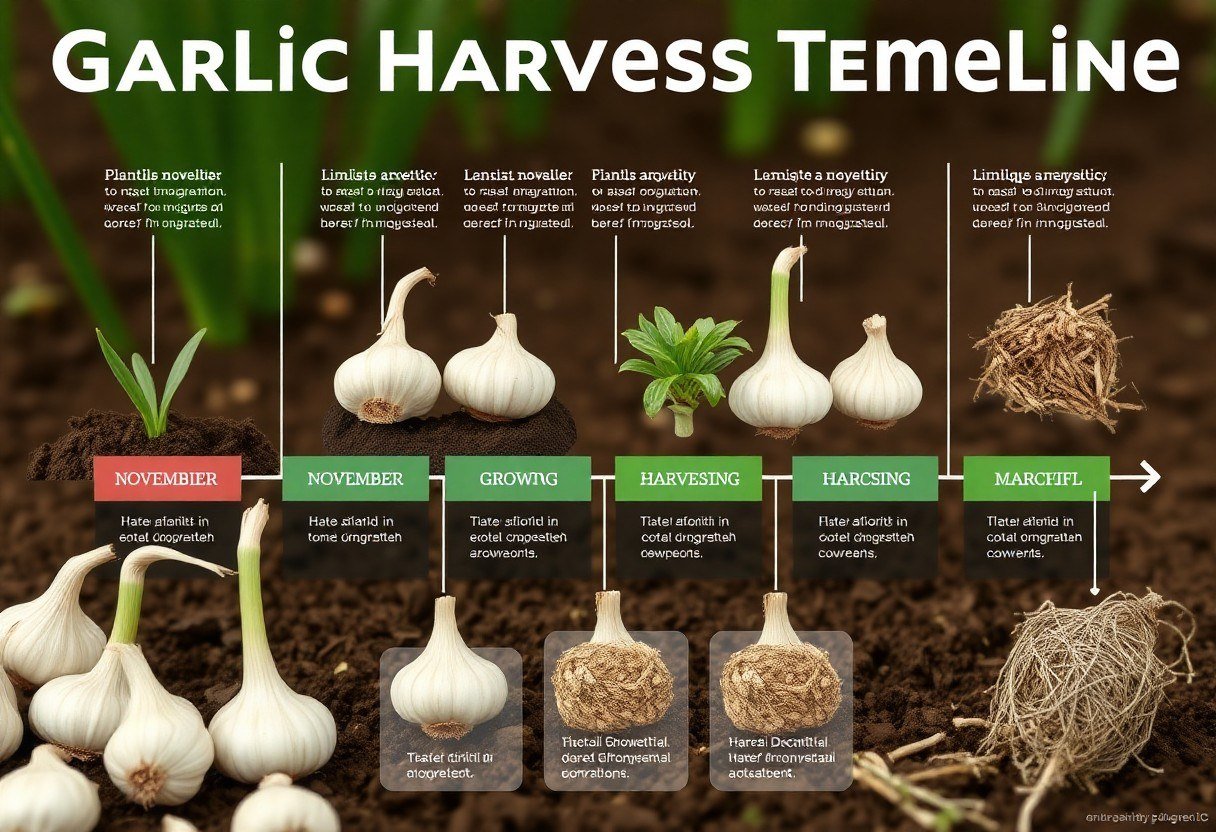
The problem is not with garlic itself, but with its natural life cycle. Garlic is a winter crop planted in October–November and harvested in May–June. After harvest, it enters a dormancy period lasting several months. During this time, it gradually loses its allicin and volatile oil content. Traders store it in large refrigerators, but long storage reduces its flavor and benefits. The garlic you buy in December–January is often last year's crop, having lost 30–40% of its antibacterial effectiveness.
The ideal solution is to grow garlic at its correct time (autumn) so you can harvest it fresh in spring. The difference between fresh and stored garlic is like the difference between local tomatoes in summer and imported tomatoes in winter: no comparison.


Yes, garlic is a quintessential winter crop. The best time to plant is from October to December. In cold coastal areas, planting can continue until January. Garlic needs cool temperatures (10–15°C) to form bulbs properly.
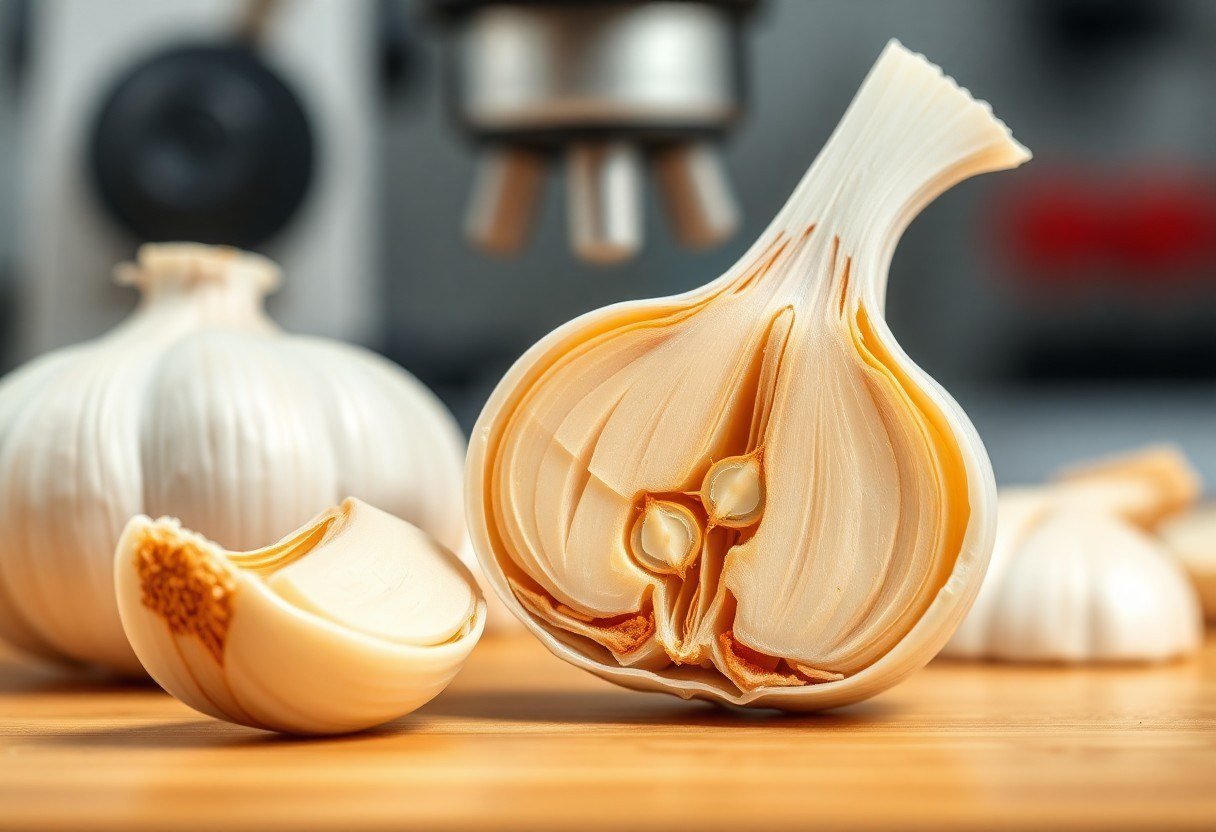
Each clove produces one head. If you want 10 heads, plant 10 cloves. You can plant 20 cloves in a 40 cm diameter pot. Garlic does not compete heavily for space, but good spacing improves head size.
Yes, but hydroponic garlic only produces green leaves (green garlic), not full bulbs. To get garlic heads, you need soil. Hydroponics is suitable for those who want to continuously harvest green leaves.
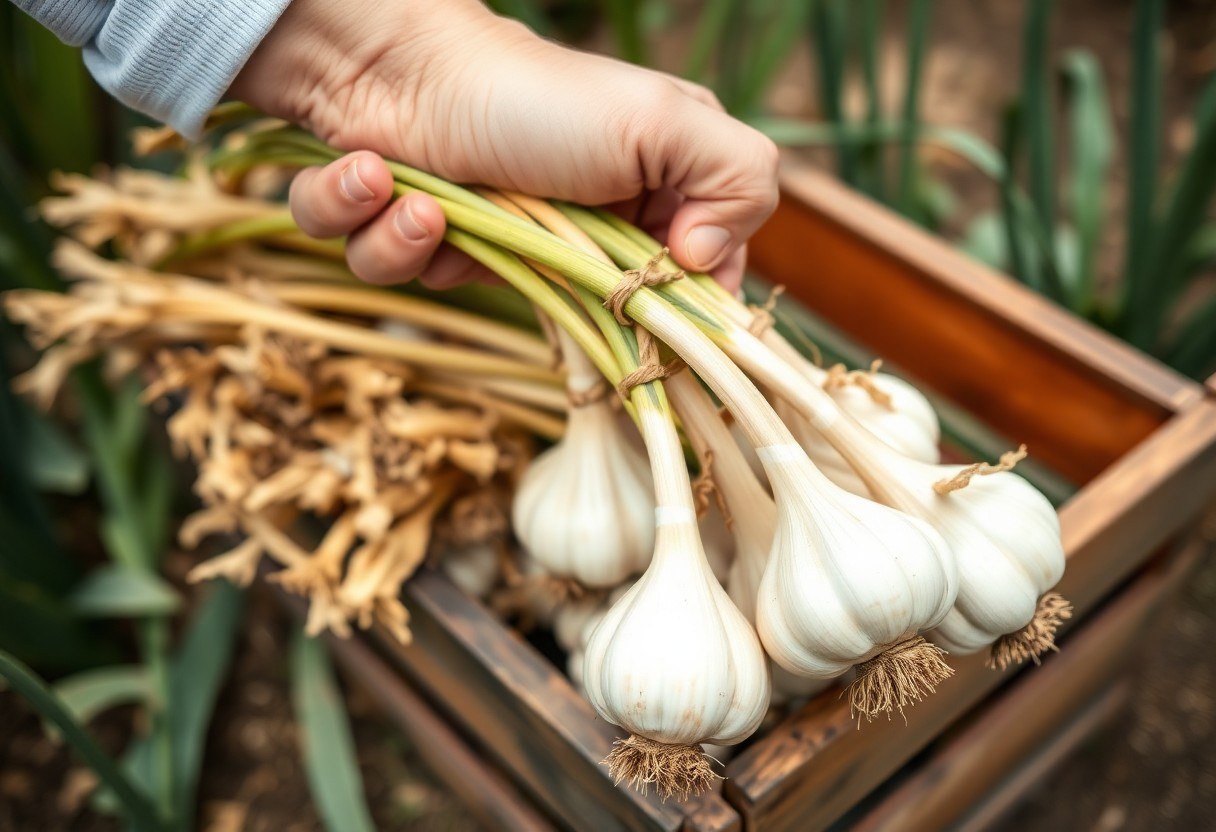
Usually after 4–5 months from planting. In Egypt, if you plant in November, you harvest in March–April. The sure sign is yellowing and drying of the lower leaves. Leave the garlic in the ground for an additional two weeks after the leaves dry to complete ripening.

Garlic is not just a crop; it is an investment in your health and food independence. With simple steps, you can turn a small clove into dozens of fresh heads that will last your family for months. Start today by choosing a pot and good cloves, and follow the steps we explained. You will be amazed at how easy it is, and you will taste the difference between garlic grown at home and what you bought from the market. Follow us tomorrow in the series "Journey from Seed to Plate," where we will talk about another equally important winter crop: green onions.
Jun 20, 2026 by Anas Heaba
Jun 19, 2026 by Anas Heaba