This kit serves one of our pillars: Biodiversity — technology in the service of nature.
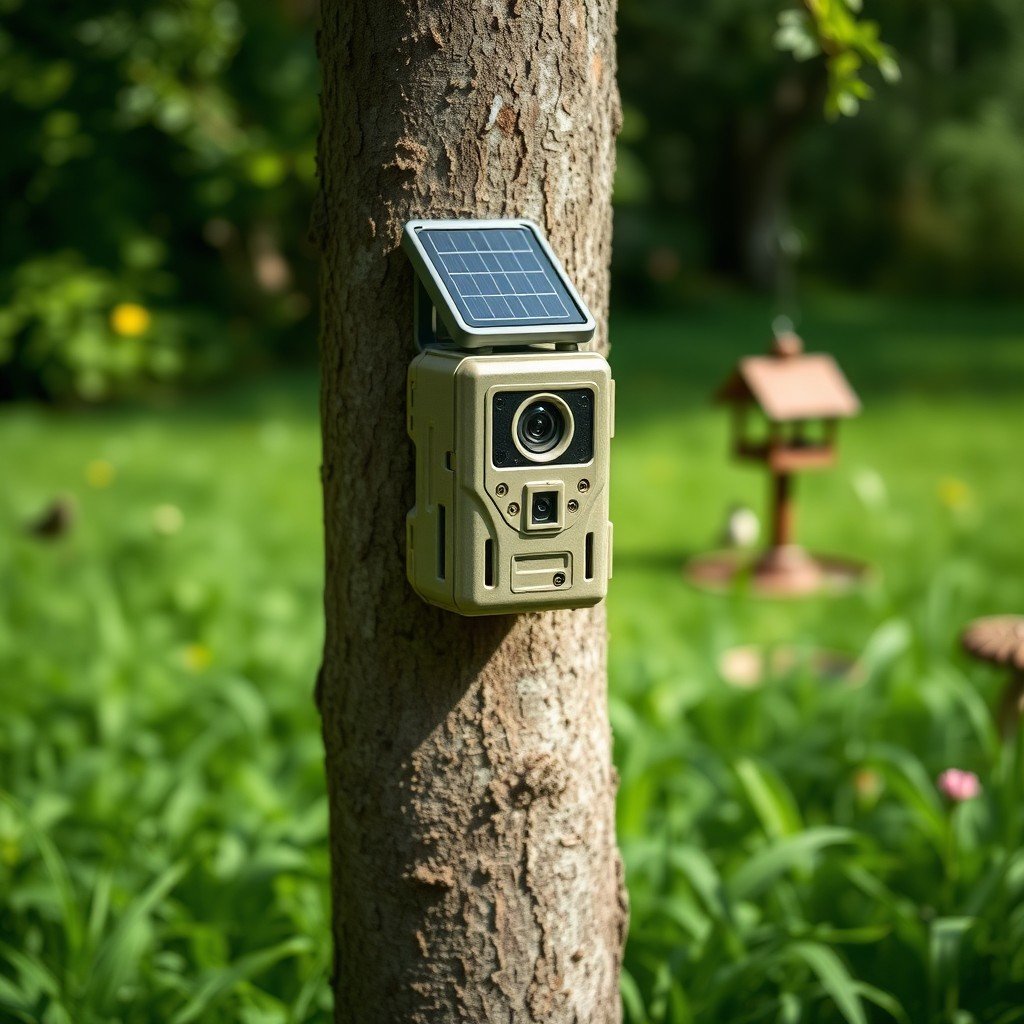
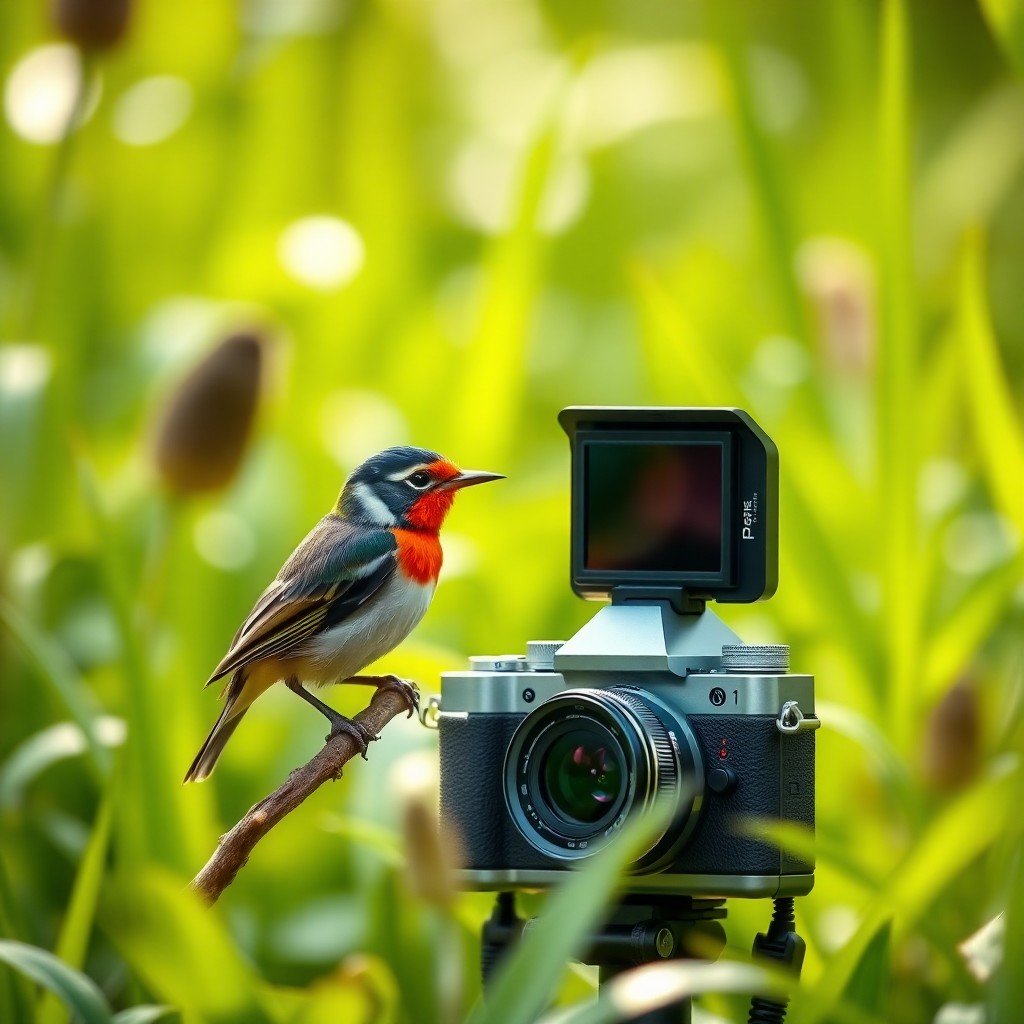
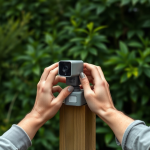
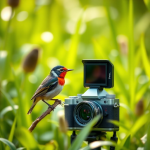
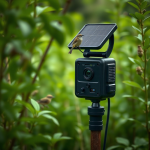
Build a camera trap that waits silently in your garden — the moment a bird, insect or animal moves nearby, a PIR sensor wakes the camera to take its photo and save it to a memory card. A real biodiversity monitor that turns a student into a field scientist.
What's inside the kit?
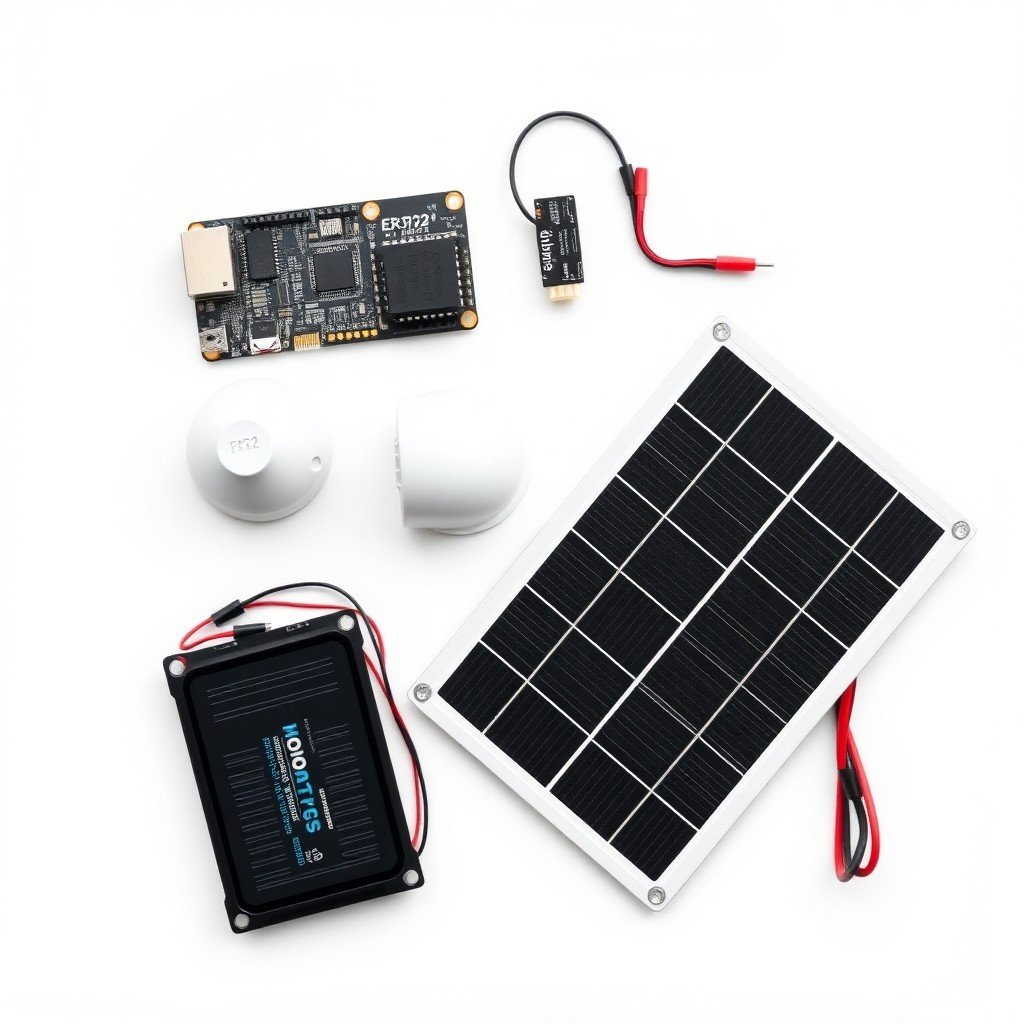
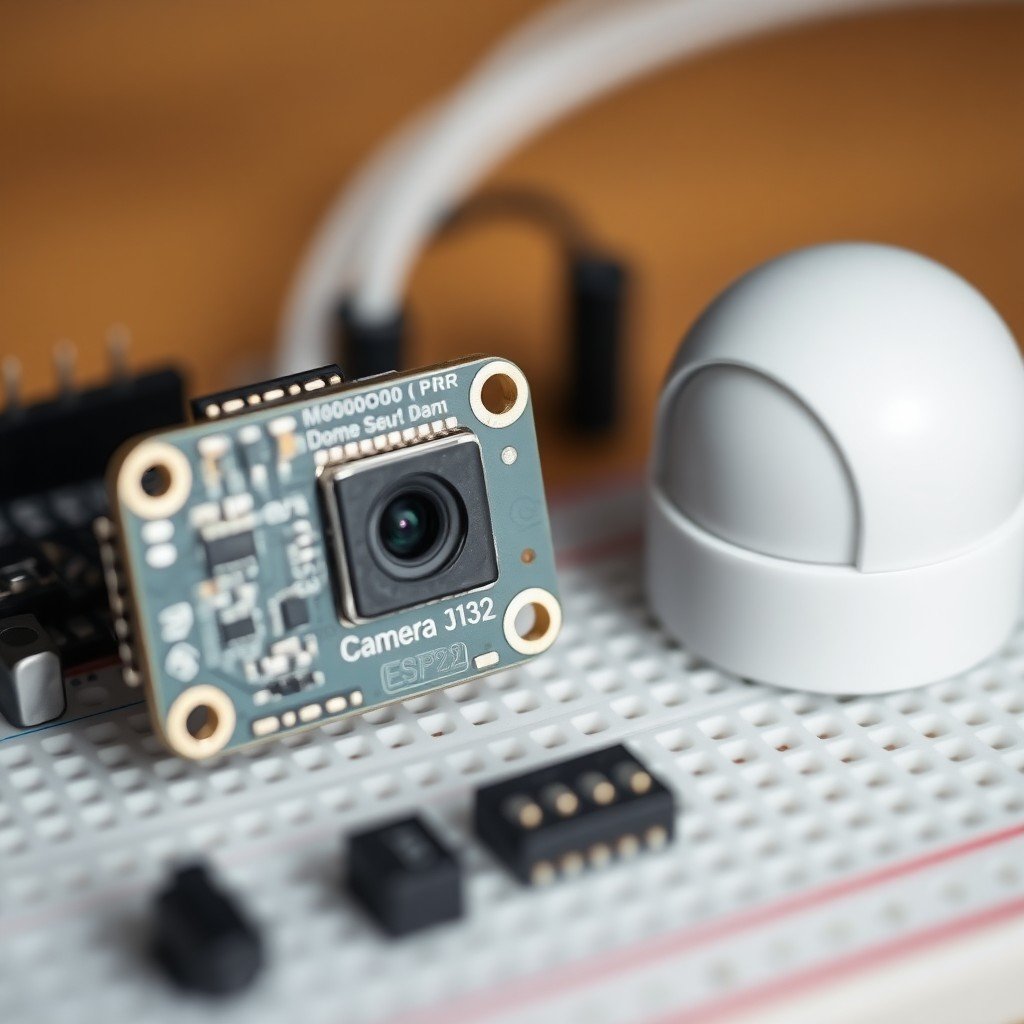
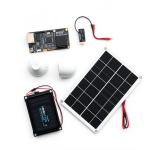
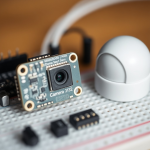
- ESP32-CAM Dev Board w/ OV2640 Camera — Motion-triggered camera + WiFi
- PIR Motion Sensor Module HC-SR501 — Detects animals and triggers a photo
- Micro SD Card Module for Arduino or MCU — Saves every captured photo
- USB to Serial TTL Converter Module CP2102 Chip — Flashes the code onto the camera
- BB-J140 Connecting Jumper Wires for Breadboard (140 Wire) — Connections (140-wire set)
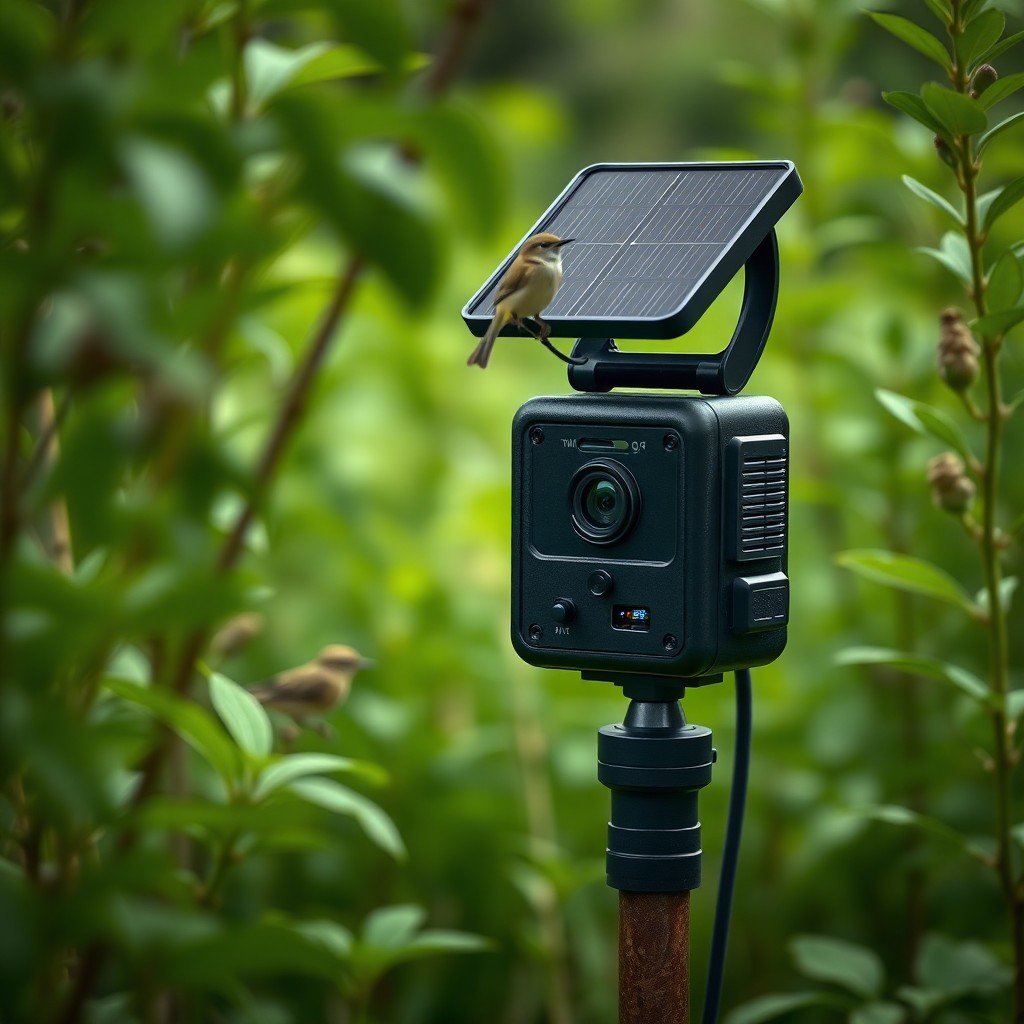
- Solar panel 2 Watt - 5v/400mA — Off-grid solar power
- Rechargeable18650 Li-ion Battery 3.7v (Recycled- original) — Stores solar energy
- Battery Holder 2x18650 — Holds the batteries
- TP4056 1A Li-Ion Battery Charging Board — Safe battery charging
How the idea works
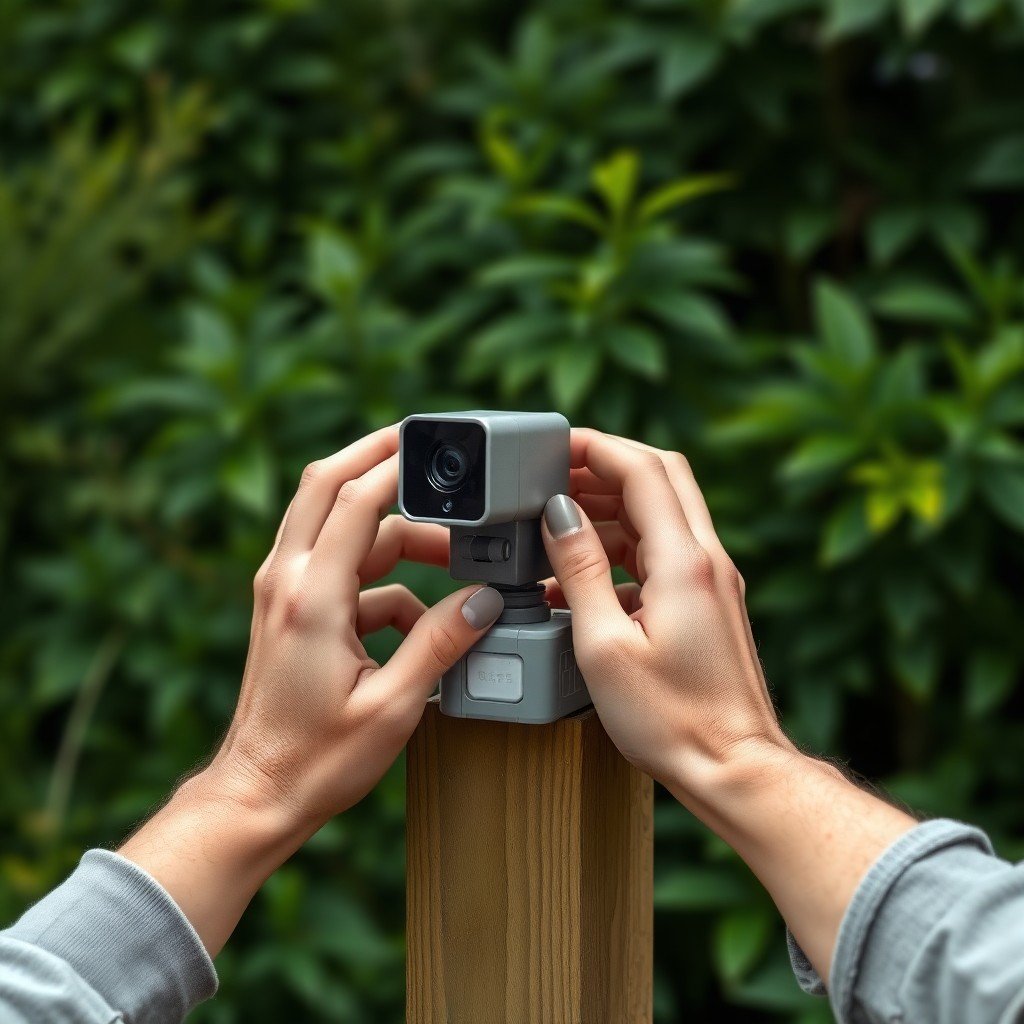
Every part in the kit has a job. Assembled in the right order they stop being loose parts and become a working system — one you build yourself, understand at every step, and see the result of with your own eyes. The included build guide walks you from zero to running.
Your journey: from kit to competition
- Build — assemble the kit and get it running.
- Understand — learn why each part is there and how it works.
- Improve — modify it, add a sensor, tune it, try your own idea.
- Make a project — turn the experiment into a project that solves a real environmental problem.
- Compete — enter your project into local and international competitions.
A good fit for tracks such as:
- Biodiversity / التنوّع الحيوي
What you'll learn
- How a PIR sensor detects living things by their body heat
- Capturing and storing images automatically on a microcontroller
- Studying local biodiversity through patient observation
- Powering electronics off-grid with solar (extension)
Extend & innovate
Add the solar panel + battery + holder + charger add-ons to run it off-grid 24/7 for weeks. Later, run AI on your captured photos to automatically identify which species visited — and share your data as citizen science.