Jun 23, 2026 / By Anas Heaba / in Growing Guides
Imagine this scene: you are in the middle of a hot summer night, having left the hotel or tourist facility you manage after a long day. Suddenly, the cooling system in the fresh vegetable room breaks down, or the humidity level in the greenhouse attached to the restaurant rises without your knowledge. In the morning, you discover that your prized basil and mint crop has wilted, and the loss is not limited to food alone but extends to the facility's reputation and guest trust. This scenario is not uncommon in Egypt, where extreme heat and occasional power outages combine to make any delay in response a minor disaster.
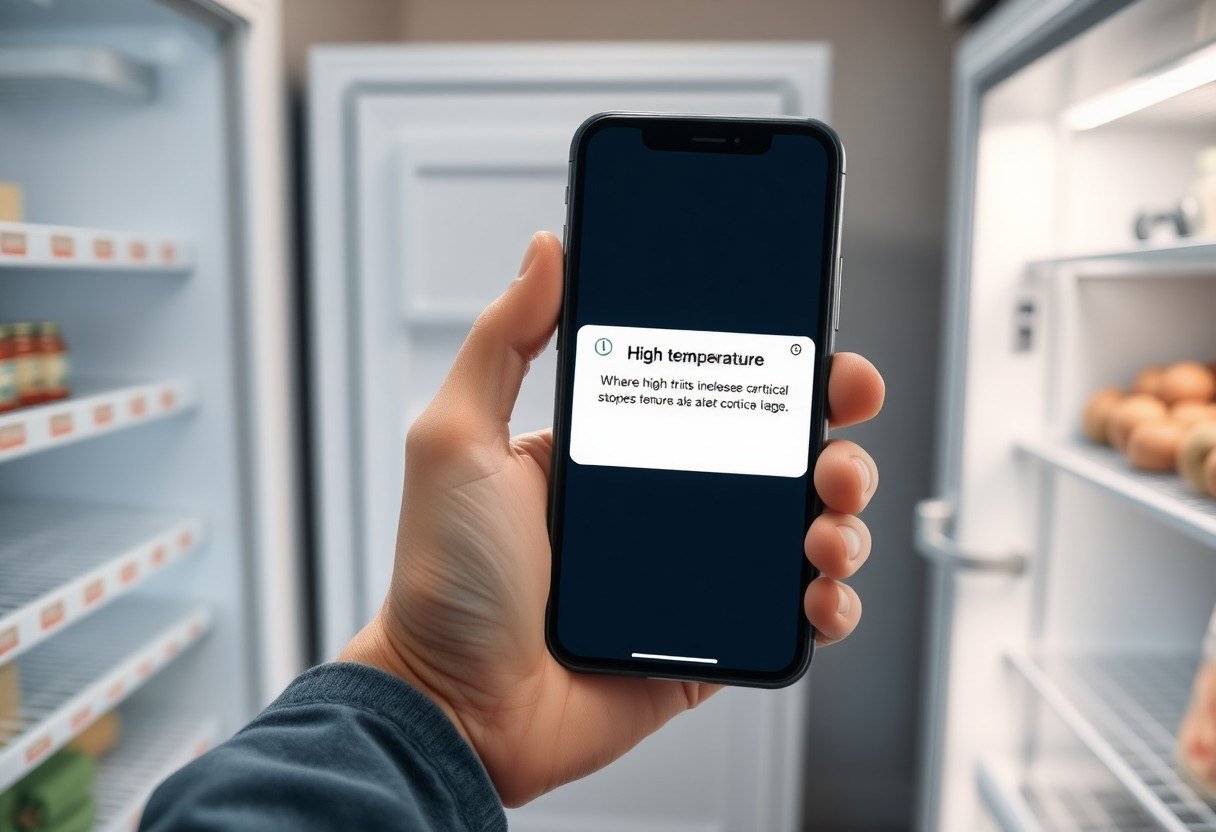
The question that arises is: why wait until the problem occurs to discover it? The simple answer is that most small and medium-sized facilities in Egypt still lack a smart alarm system that immediately informs them of any malfunction. But the good news is that setting up such a system is no longer as complex or expensive as you might think. Today, you can connect sensors in your facility to instant notifications via SMS, WhatsApp, or email, so that warnings reach you before a small problem turns into a major loss. This article is your practical guide to doing just that.

In Egypt, where summer temperatures exceed 40 degrees Celsius in the shade, and humidity varies between the coasts and Upper Egypt, controlled environments such as greenhouses, food storage areas, and hotel kitchens become extremely vulnerable. A study conducted by Cairo University in 2023 indicated that about 30% of food waste in Egyptian tourist facilities is due to undetected faults in cooling or ventilation systems. This means that for every 3 kilograms of spoiled vegetables, one kilogram could have been saved with an early warning.
It is not just about food. In facilities that rely on hydroponics within hotels, any malfunction in the nutrient solution pump or a sudden change in pH or electrical conductivity (EC) can destroy the entire crop within hours. The cost here is twofold: the price of the crop itself, the cost of buying replacements from the market, and finally the negative impact on the guest experience who was expecting fresh organic salad. Smart alarms here are not a luxury but a tool to ensure operational sustainability and reduce waste, aligning with Egypt's Vision 2030 for resource rationalization.
To understand why traditional systems fail, we must look at the nature of the faults themselves. Most faults in environmental control systems do not occur suddenly but develop gradually. For example, a partial clog in a water filter may lead to a slow decrease in irrigation pressure, unnoticed for hours or days. Or a faulty temperature sensor may give a reading off by just one degree, causing the air conditioning system to operate less efficiently without alerting anyone. The problem is that the human mind is not designed to constantly monitor changing numbers on a control panel, especially in a facility bustling with customers and staff.
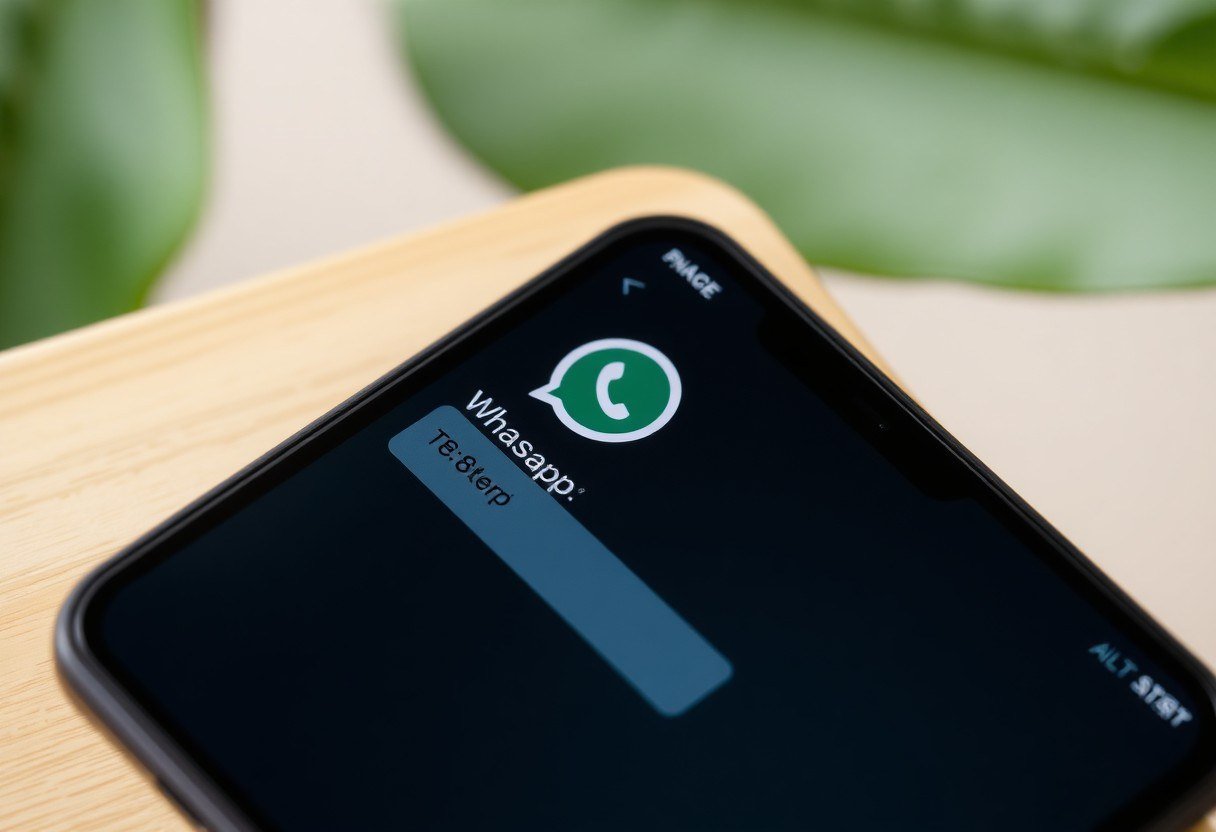
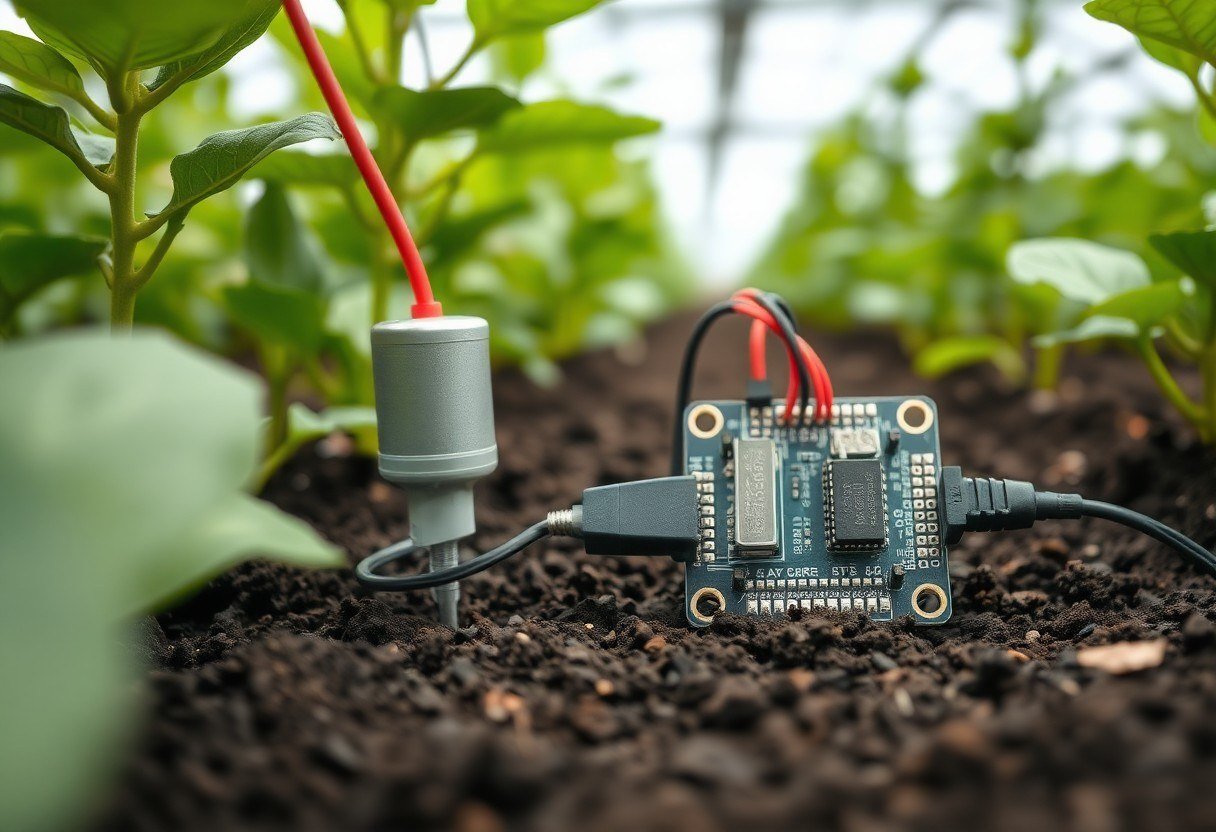
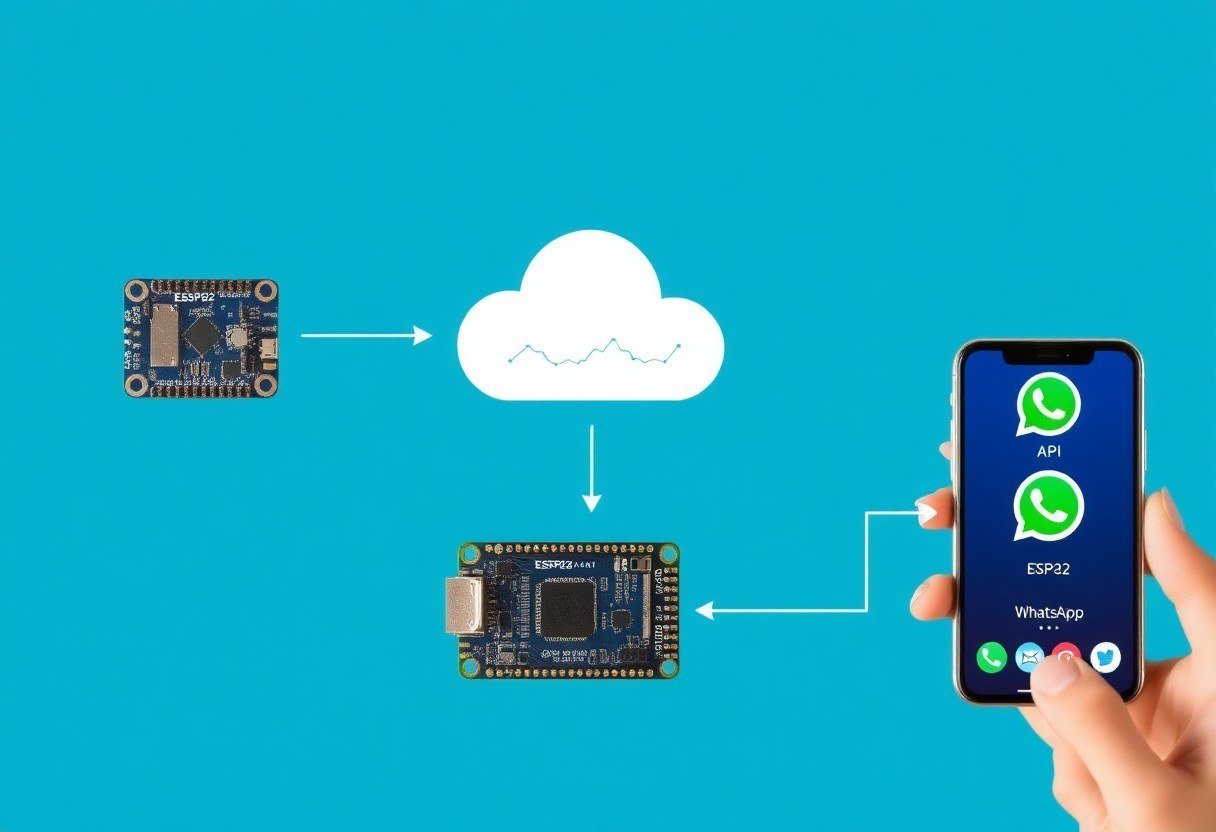
Scientifically, smart systems rely on the concept of "real-time monitoring and analytics." Sensors collect data every minute or even every second on temperature, humidity, light intensity, carbon dioxide levels, and water flow rate. This data is sent to a central controller (such as a Raspberry Pi, Arduino, or any microcontroller) that compares it to safe thresholds you have predefined. When a value breaches the allowed limit, the system triggers an alarm. But a traditional alarm (siren or light) is useless if you are away from the site. This is where integration with modern communication services like WhatsApp, SMS, and email comes in, turning the event into an instant message in your pocket.


Not necessarily. You can start using ready-made platforms like IFTTT or Blynk that offer a drag-and-drop interface to connect sensors to applications. However, understanding the basics of programming (even simple) will give you more flexibility to customize the system to your exact needs. Start with a small project like monitoring the temperature of just one room.
The estimated cost starts from about 500 to 1500 Egyptian pounds for a small project including a microcontroller (ESP32), two sensors (temperature and humidity), a power source, and a small backup battery. Messaging services like Twilio offer free credits to start, and the cost per message is just a few piastres. The investment is very small compared to the scale of losses it can prevent.
Yes, if the system relies entirely on the internet to send notifications, an internet outage means notifications will stop reaching you. But the solution is to add a local layer: first, ensure the controller continues to log data locally (e.g., on an SD card) even if the internet goes down. Second, use an SMS service that works over the mobile network (GSM) as a backup channel by adding a GSM module like the SIM800L to the project. This way, even without the internet, you will receive a text message.
Absolutely. In the code, you can define a list of phone numbers and email addresses, and send the notification to all of them simultaneously. This is very useful in facilities with a team, so that the alert reaches the manager, the technical supervisor, and even the on-duty staff member at the same moment, ensuring a quick response.

A smart alarm system is not a technical luxury; it is a real safety net that protects your investment in agriculture and hospitality from environmental fluctuations and sudden faults. Through simple and organized steps, you can turn a set of sensors and a microcontroller into a vigilant, sleepless eye that sends you precise warnings through the channels you trust: SMS, WhatsApp, or email. Start today by identifying one critical point in your facility and apply what you have learned here. You will be amazed at how this small investment can save you from major losses and give you the peace of mind to focus on developing your business instead of putting out fires. Follow the "Smart Systems for Hospitality and Facilities" series to learn more about turning challenges into opportunities using simple technology.
Jun 26, 2026 by Anas Heaba