0 0
0
No products in the cart.

Did You Know a One-Minute Delay in Alerts Could Cost You an Entire Season? | tna W rna

Jun 23, 2026 / By Anas Heaba / in Growing Guides

Imagine this scene: you are in the middle of a hot summer night, having left the hotel or tourist facility you manage after a long day. Suddenly, the cooling system in the fresh vegetable room breaks down, or the humidity level in the greenhouse attached to the restaurant rises without your knowledge. In the morning, you discover that your prized basil and mint crop has wilted, and the loss is not limited to food alone but extends to the facility's reputation and guest trust. This scenario is not uncommon in Egypt, where extreme heat and occasional power outages combine to make any delay in response a minor disaster.

The question that arises is: why wait until the problem occurs to discover it? The simple answer is that most small and medium-sized facilities in Egypt still lack a smart alarm system that immediately informs them of any malfunction. But the good news is that setting up such a system is no longer as complex or expensive as you might think. Today, you can connect sensors in your facility to instant notifications via SMS, WhatsApp, or email, so that warnings reach you before a small problem turns into a major loss. This article is your practical guide to doing just that.

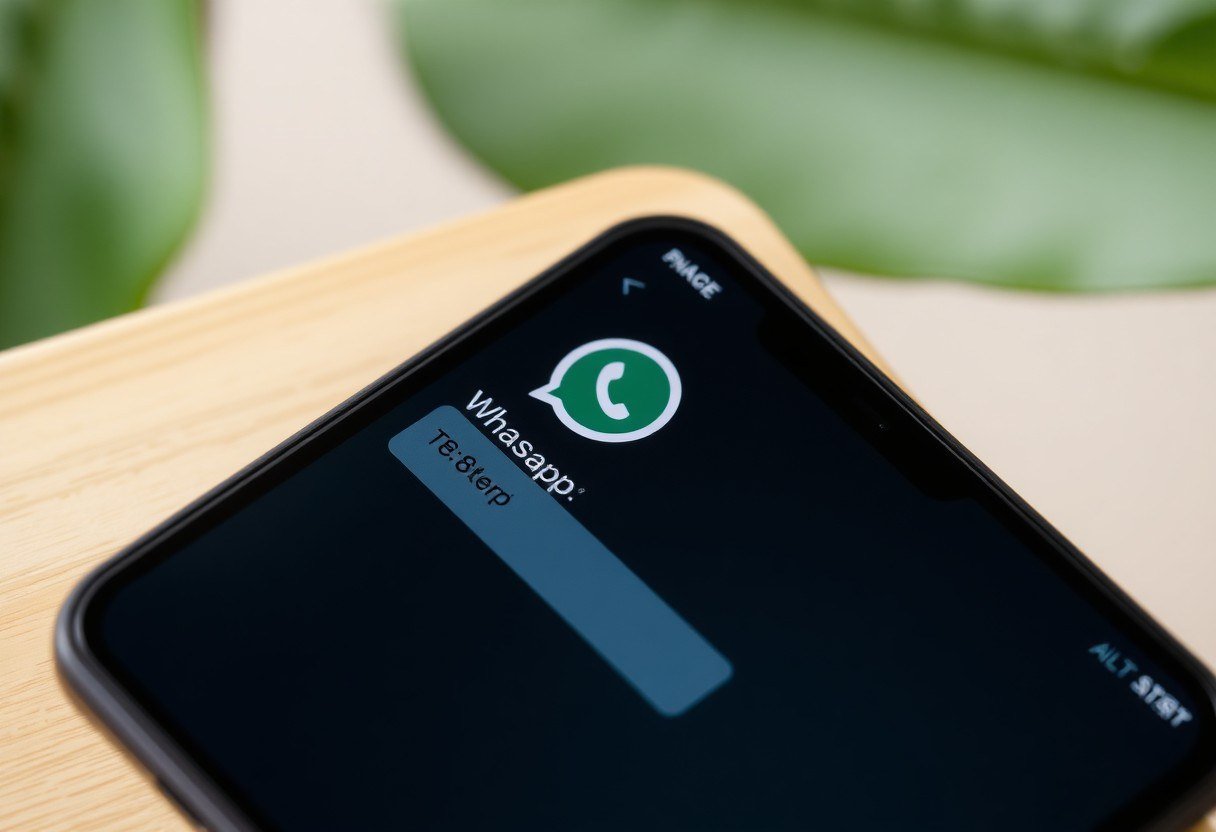
Smartphone screen displaying a WhatsApp alert notification and a text message

Why Is This Important?

In Egypt, where summer temperatures exceed 40 degrees Celsius in the shade, and humidity varies between the coasts and Upper Egypt, controlled environments such as greenhouses, food storage areas, and hotel kitchens become extremely vulnerable. A study conducted by Cairo University in 2023 indicated that about 30% of food waste in Egyptian tourist facilities is due to undetected faults in cooling or ventilation systems. This means that for every 3 kilograms of spoiled vegetables, one kilogram could have been saved with an early warning.

It is not just about food. In facilities that rely on hydroponics within hotels, any malfunction in the nutrient solution pump or a sudden change in pH or electrical conductivity (EC) can destroy the entire crop within hours. The cost here is twofold: the price of the crop itself, the cost of buying replacements from the market, and finally the negative impact on the guest experience who was expecting fresh organic salad. Smart alarms here are not a luxury but a tool to ensure operational sustainability and reduce waste, aligning with Egypt's Vision 2030 for resource rationalization.

The Root of the Problem

To understand why traditional systems fail, we must look at the nature of the faults themselves. Most faults in environmental control systems do not occur suddenly but develop gradually. For example, a partial clog in a water filter may lead to a slow decrease in irrigation pressure, unnoticed for hours or days. Or a faulty temperature sensor may give a reading off by just one degree, causing the air conditioning system to operate less efficiently without alerting anyone. The problem is that the human mind is not designed to constantly monitor changing numbers on a control panel, especially in a facility bustling with customers and staff.

Scientifically, smart systems rely on the concept of "real-time monitoring and analytics." Sensors collect data every minute or even every second on temperature, humidity, light intensity, carbon dioxide levels, and water flow rate. This data is sent to a central controller (such as a Raspberry Pi, Arduino, or any microcontroller) that compares it to safe thresholds you have predefined. When a value breaches the allowed limit, the system triggers an alarm. But a traditional alarm (siren or light) is useless if you are away from the site. This is where integration with modern communication services like WhatsApp, SMS, and email comes in, turning the event into an instant message in your pocket.

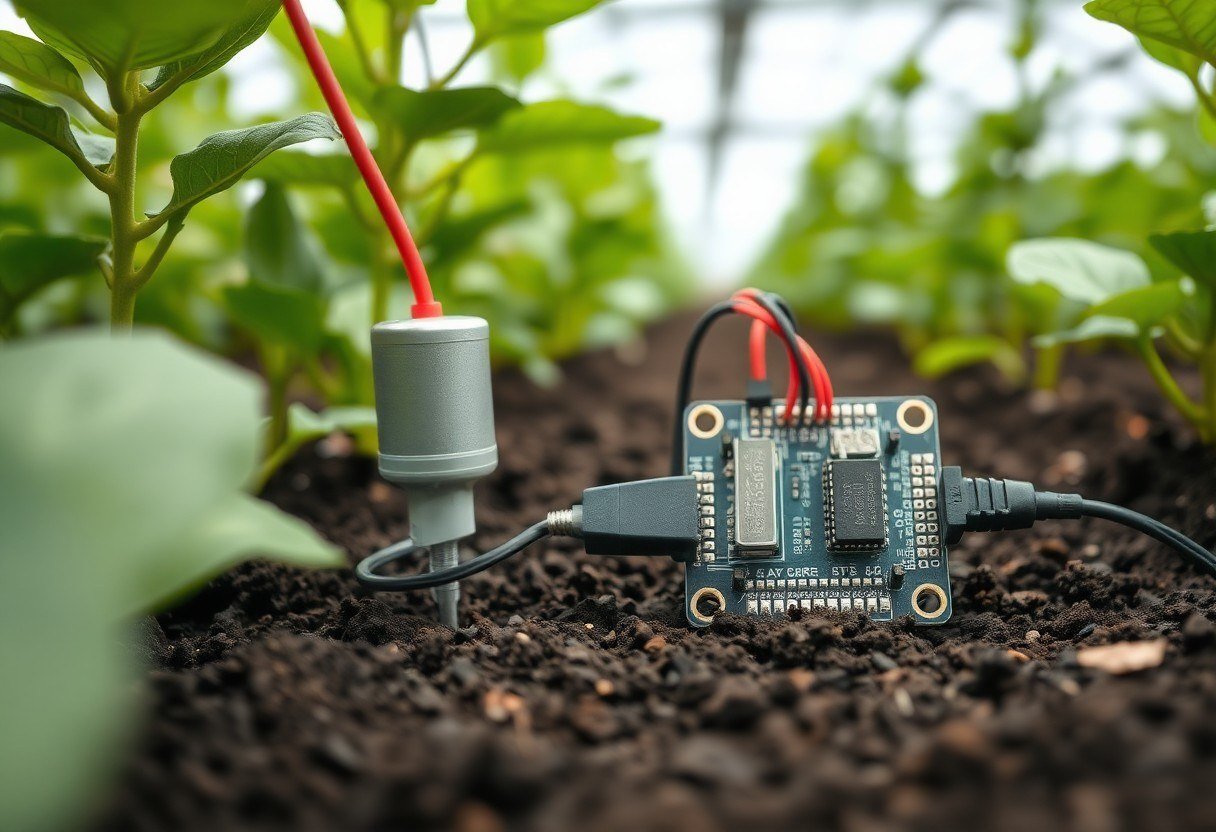
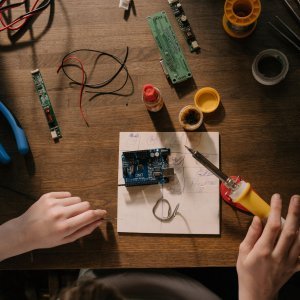
Soil moisture sensor and temperature sensor connected to a microcontroller board in a greenhouse

Step-by-Step Solution

  1. Identify critical points in your facility: Start by inventorying every point that could cause a loss if it fails. For example: the cold room, irrigation pump, pH sensors in hydroponics, artificial lighting system. For each point, define the safe lower and upper limits (e.g., room temperature must remain between 2 and 8 degrees Celsius).
  2. Choose the right sensors: Based on the critical points, purchase reliable sensors. For agriculture: soil moisture sensors, air temperature and humidity sensors (e.g., DHT22), water pressure sensors, and pH and EC sensors for solutions. Ensure the sensors support a digital protocol (such as I2C or OneWire) to reduce errors.
  3. Prepare the controller and programming: Use a microcontroller like the ESP32 or ESP8266 as they support Wi-Fi directly. Write a simple code (you can use the Arduino IDE) that reads data from the sensors every minute and compares it to the thresholds you set. If a value exceeds the limit, the code sends a message.
  4. Connect to a messaging service: There are free and paid services that allow sending WhatsApp, SMS, and email messages via an API. For example, you can use Twilio to send SMS and WhatsApp messages, or use IFTTT (If This Then That) as an easy intermediary that connects your microcontroller to messaging apps without complex programming. Follow the service's documentation to obtain your API key.
  5. Define alert levels: Do not make every alert equally important. Divide them into three levels: Warning when the value approaches the allowed limit (e.g., temperature at 7.5°C with an upper limit of 8°C), Alert when it breaches the limit (e.g., 8.5°C), and Critical when it reaches a value threatening the crop (e.g., 12°C). For each level, specify a different sending method: Warning via email only, Alert via email and WhatsApp, and Critical via email, WhatsApp, and SMS to ensure immediate delivery.
  6. Test the system thoroughly: Before relying on the system, test every scenario. Manually raise the temperature or stop the pump, and confirm that the message arrives correctly on all the channels you specified. Repeat the test at different times of the day to ensure connection stability.
  7. Document everything: Keep a log of all alerts that occur, including the time, date, and measured value. This log will help you analyze patterns and predict future faults, such as noticing that the temperature always rises in the afternoon, necessitating preventive maintenance on the cooling system.
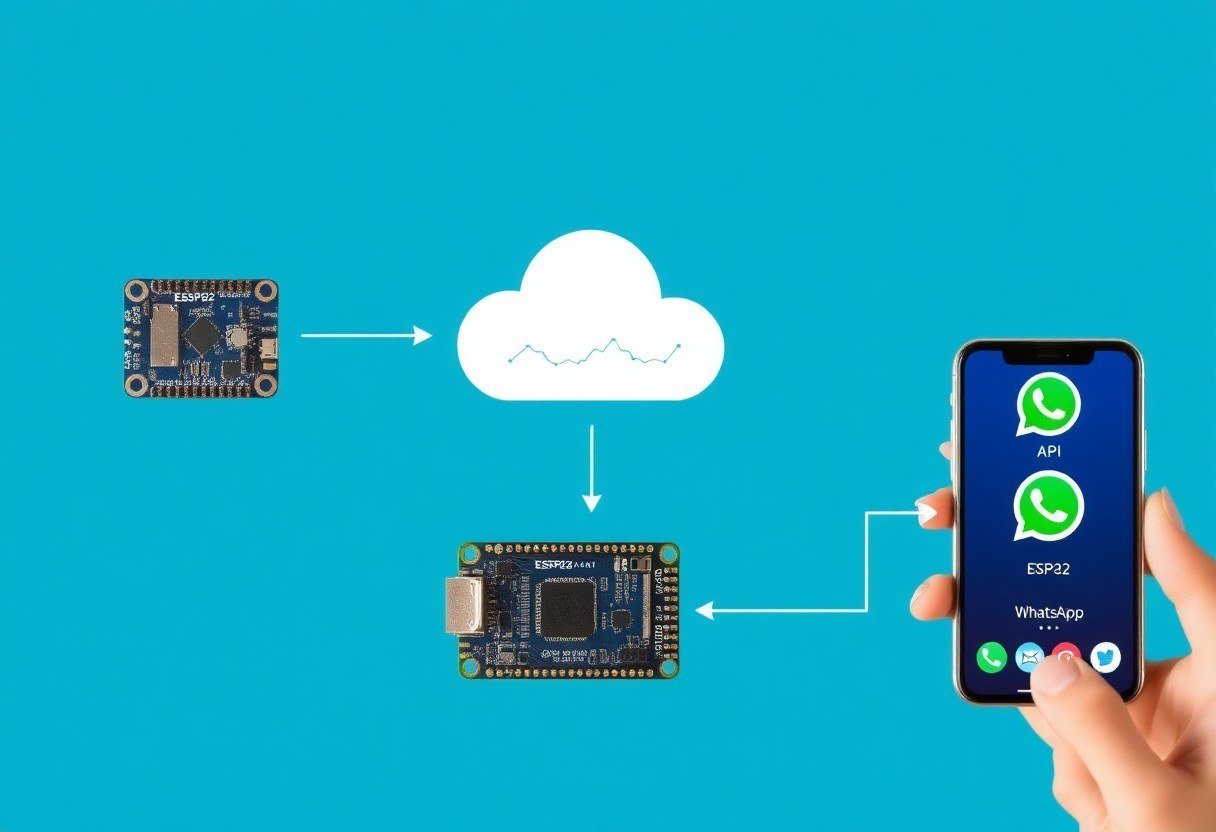
Flowchart illustrating data flow from sensors to the controller, then to the cloud, and then to the smartphone

Practical Tips and Tools

  • Use a backup power source: In Egypt, power outages are possible. Ensure the controller and sensors are connected to a backup battery or a small UPS; otherwise, the first outage will disable the entire alarm system.
  • Keep the code simple: Do not overcomplicate programming. Start with ready-made code from Arduino libraries such as the DHT sensor library and WiFi library, then modify it to your needs. You can find hundreds of free examples online.
  • Use a local display: If internet connectivity is unreliable, consider adding a small LCD screen (e.g., 16x2 I2C) that displays current values and any alarm locally, so any on-site staff can see the problem even before the notification reaches you.
  • Schedule regular maintenance: The alarm system itself needs maintenance. Every month, clean the sensors from dust, check for corrosion in connections, and test the backup battery.
  • Take advantage of free cloud services: Platforms like Blynk or ThingSpeak offer free plans that allow you to display sensor data on a graphical dashboard, and they can also send notifications via email or their own mobile app, saving you from programming a custom interface.

Common Mistakes to Avoid

  • Mistake: Sending too many alerts (Notification Fatigue). If the system sends a message every time the temperature changes by 0.1 degrees, you will eventually ignore the messages. Correction: Set a deadband, such as ±0.5°C, before sending a new alert, and do not send a repeated alert unless the violation persists for more than 5 minutes.
  • Mistake: Relying on only one communication channel. If you rely solely on WhatsApp and the internet goes down, no alert will reach you. Correction: Use at least two different channels, such as SMS (which works over the mobile network) and email (which can be received on any internet-connected device).
  • Mistake: Not clearly defining alert levels. Sending the same message "High Temperature" for both a minor warning and an emergency situation confuses the recipient. Correction: Add a warning word in the message text like [Warning] or [Critical Alert], and state the current value, the allowed limit, and the recommended action.
  • Mistake: Neglecting to test the system after installation. Many people install the system and assume it works without actual testing. Correction: Include an automatic weekly test (e.g., every Saturday at 10 AM) that sends a test message to all channels, and if the message does not arrive, send a separate alert.
  • Mistake: Placing sensors in an unsuitable location. Placing a temperature sensor next to a refrigerator door that opens and closes gives inaccurate readings. Correction: Place sensors in the center of the monitored area, away from direct heat sources or air currents, and protect them from excessive humidity if necessary using an appropriate enclosure.
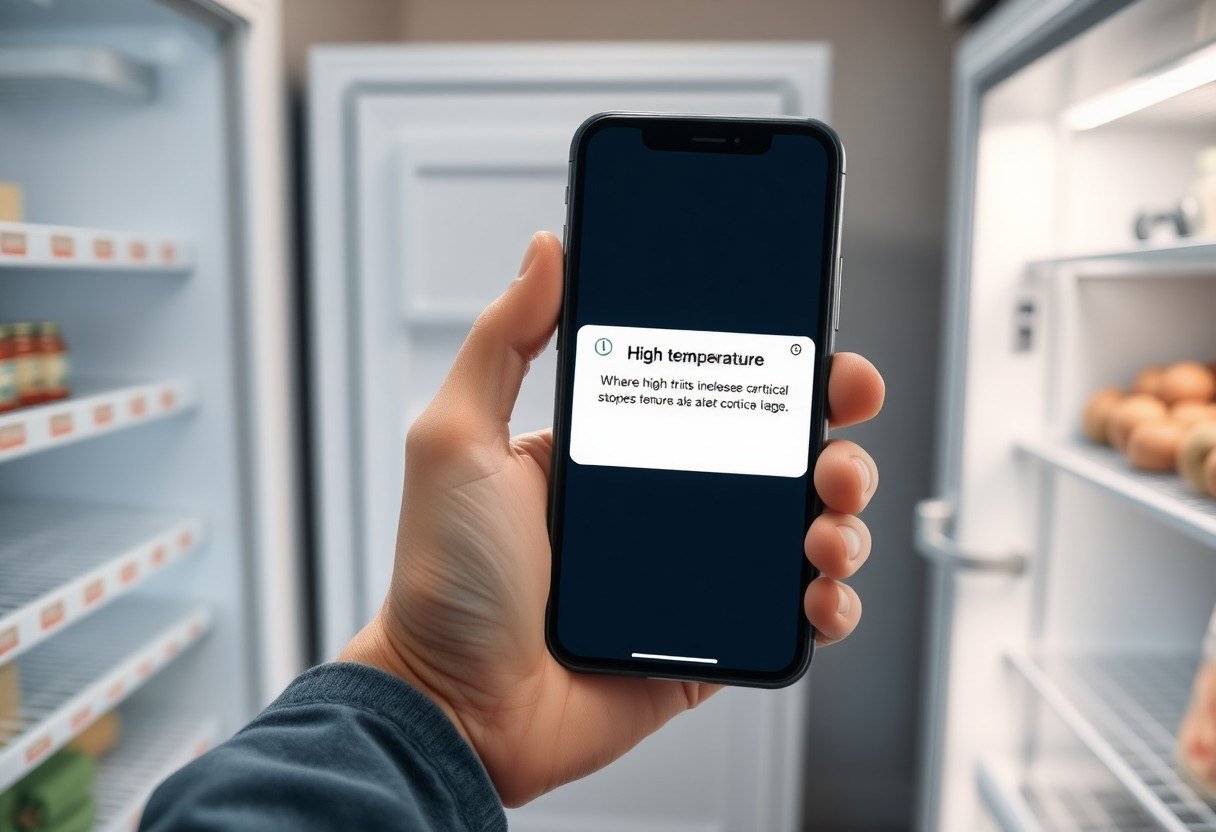
Person holding a smartphone displaying a critical alert message about high temperature in the cold room

Frequently Asked Questions

Do I need programming experience to install the system?

Not necessarily. You can start using ready-made platforms like IFTTT or Blynk that offer a drag-and-drop interface to connect sensors to applications. However, understanding the basics of programming (even simple) will give you more flexibility to customize the system to your exact needs. Start with a small project like monitoring the temperature of just one room.

What is the cost of a simple smart alarm system for a small facility?

The estimated cost starts from about 500 to 1500 Egyptian pounds for a small project including a microcontroller (ESP32), two sensors (temperature and humidity), a power source, and a small backup battery. Messaging services like Twilio offer free credits to start, and the cost per message is just a few piastres. The investment is very small compared to the scale of losses it can prevent.

What if the internet suddenly goes out? Will the system fail?

Yes, if the system relies entirely on the internet to send notifications, an internet outage means notifications will stop reaching you. But the solution is to add a local layer: first, ensure the controller continues to log data locally (e.g., on an SD card) even if the internet goes down. Second, use an SMS service that works over the mobile network (GSM) as a backup channel by adding a GSM module like the SIM800L to the project. This way, even without the internet, you will receive a text message.

Can the system send alerts to more than one person at the same time?

Absolutely. In the code, you can define a list of phone numbers and email addresses, and send the notification to all of them simultaneously. This is very useful in facilities with a team, so that the alert reaches the manager, the technical supervisor, and even the on-duty staff member at the same moment, ensuring a quick response.

Three people looking at a tablet displaying a dashboard with temperature and humidity graphs and alert icons

Conclusion

A smart alarm system is not a technical luxury; it is a real safety net that protects your investment in agriculture and hospitality from environmental fluctuations and sudden faults. Through simple and organized steps, you can turn a set of sensors and a microcontroller into a vigilant, sleepless eye that sends you precise warnings through the channels you trust: SMS, WhatsApp, or email. Start today by identifying one critical point in your facility and apply what you have learned here. You will be amazed at how this small investment can save you from major losses and give you the peace of mind to focus on developing your business instead of putting out fires. Follow the "Smart Systems for Hospitality and Facilities" series to learn more about turning challenges into opportunities using simple technology.


Contact Us تواصل معنا