Jun 22, 2026 / By Anas Heaba / in Growing Guides
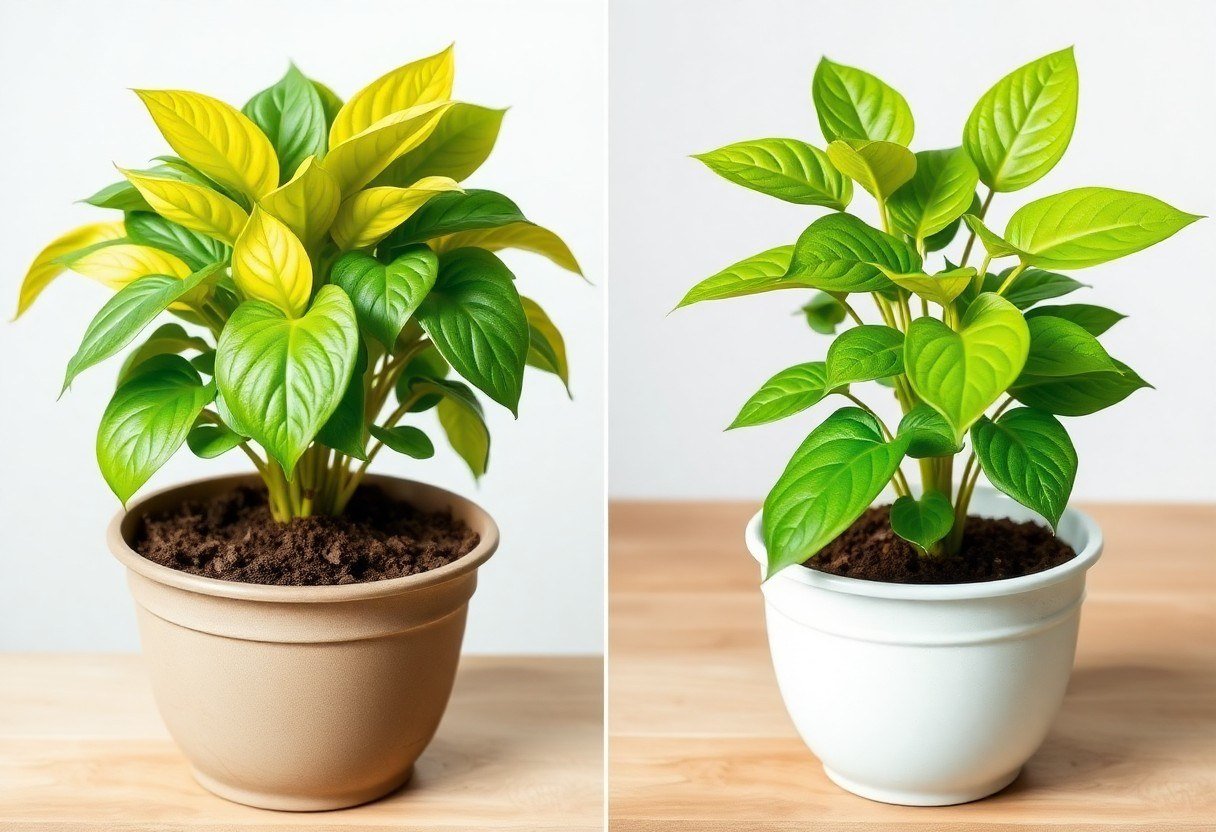
Imagine a familiar scene: every morning you stand before your plants that you watered generously yesterday, only to find their leaves drooping and wilted, and the soil surface dry even though you didn't skimp on a single drop. You ask yourself: should I increase the water? Should I water twice a day? Herein lies the real problem — overwatering in Egypt's hot climate doesn't quench thirst but suffocates roots and spoils the soil.
In this article, I'll reveal the root cause behind plant wilting despite regular watering, and offer you a practical solution based on smart agriculture technologies that have recently begun spreading in Egypt. You'll learn how to use soil moisture sensors and irrigation automation to save up to 40% of water and increase your crop productivity — whether you're growing in pots on a balcony or in a small field.

Egypt faces a real water challenge: the per capita share of freshwater is less than 600 cubic meters annually, which is below the global water poverty line (1000 cubic meters). In agriculture — which consumes over 80% of our water resources — a great deal of water is wasted due to irregular traditional irrigation. Recent studies at the Agricultural Research Center indicate that Egyptian farmers irrigate vegetable crops at rates exceeding their actual needs by about 25–35%, leading to nutrient leaching from the soil and increased salinity.
For the small farmer and hobbyist, the cost isn't just in the water bill. Overwatered plants become more susceptible to fungal diseases like powdery mildew and fusarium wilt, and fruit quality declines. In small spaces like balconies and rooftops, poor watering leads to plant death within weeks. The smart solution isn't buying a stronger pump or watering more, but understanding exactly when the soil needs water.
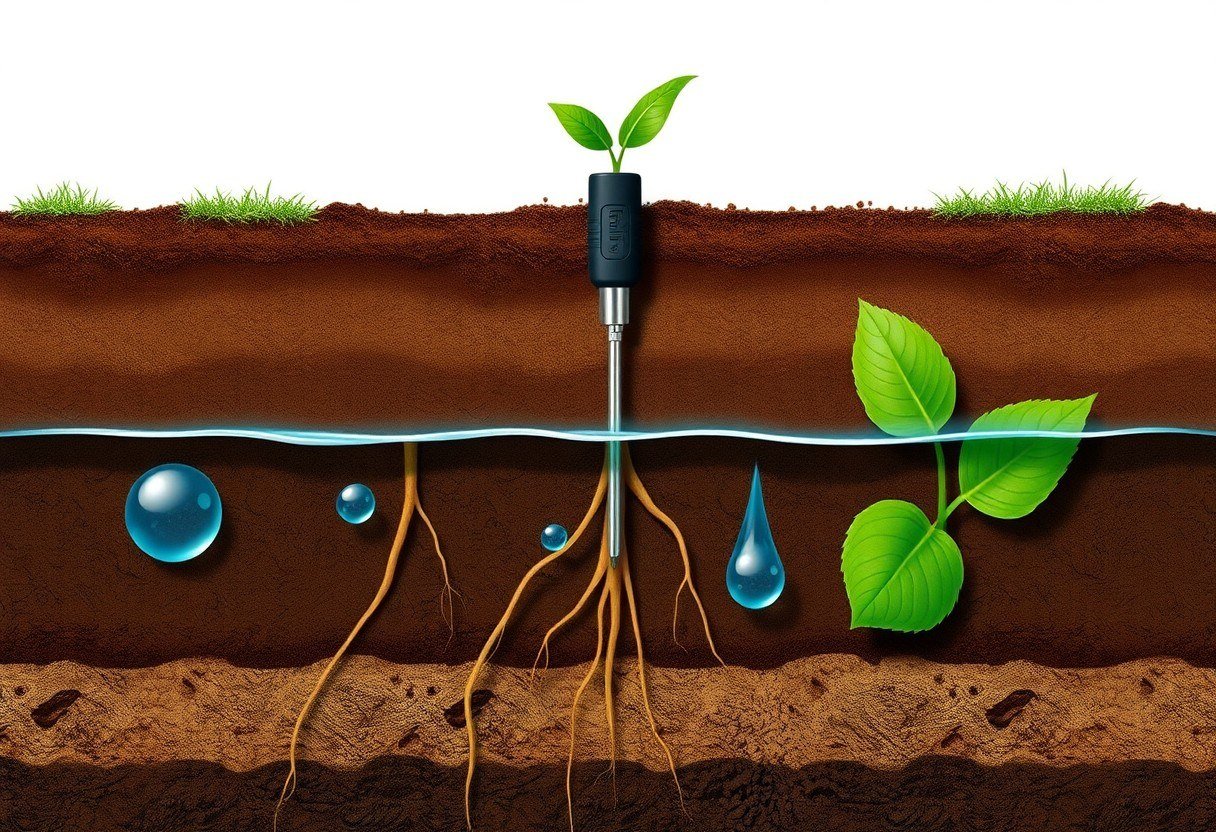
To understand this, we must look beneath the soil surface. Plant roots need oxygen to breathe and grow. When you water daily with a large amount, the air spaces between soil particles fill with water, and the roots suffocate. In this state, roots cannot absorb water or nutrients, even if water is abundantly present. Symptoms appear on the leaves as if the plant is thirsty — wilting, yellowing, lower leaf drop — while the real cause is drowning.
In heavy clay soil — which prevails in much of Egypt's agricultural land — the problem is compounded, because clay retains water longer and drains slowly. In sandy soil or potting mixes (peat moss with perlite), water passes quickly and the plant needs frequent watering in smaller amounts. The core idea is that every soil and every plant has different needs, and watering on a fixed daily schedule is the worst possible strategy.


Yes, indoor plants benefit greatly from smart irrigation because they often suffer from overwatering. Set the lower threshold to 30% and the upper to 60% because most indoor plants prefer slight dryness between waterings.
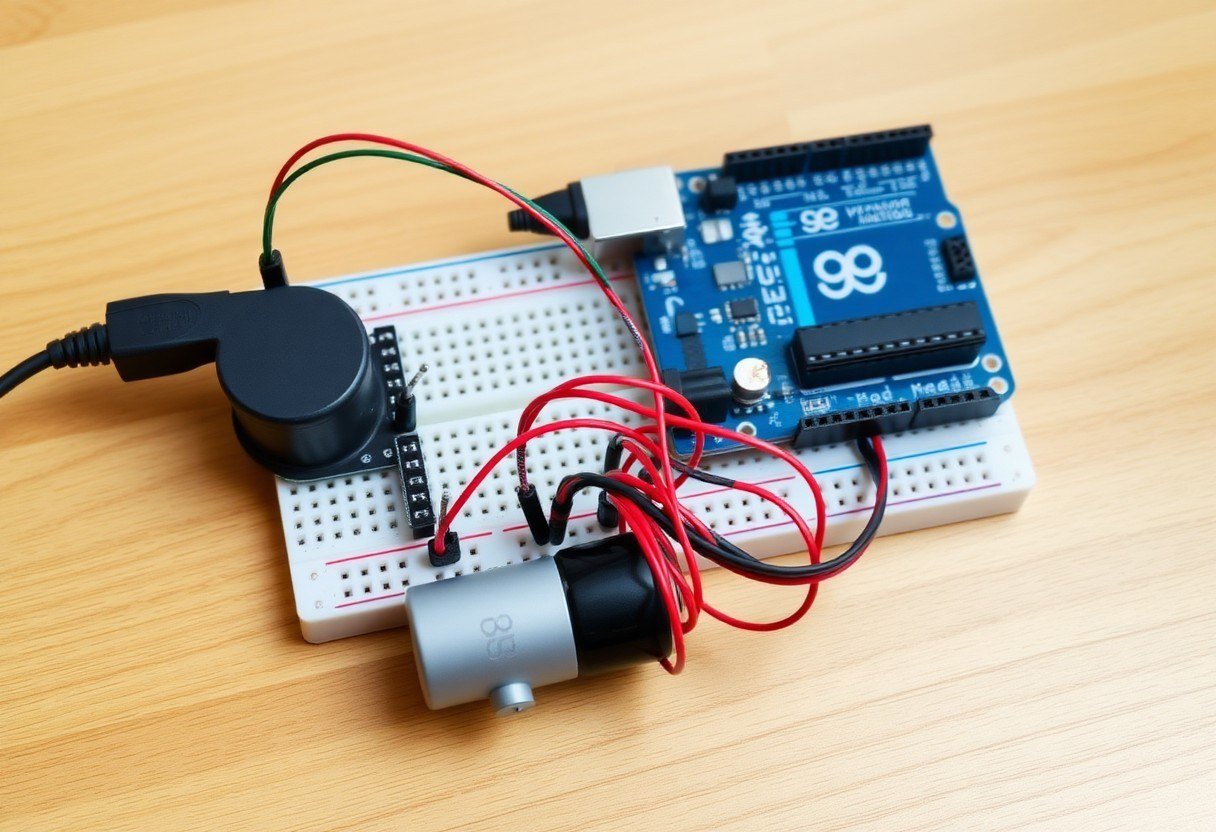
Using an Arduino NANO, a moisture sensor, and a small pump, you can build a basic system for under 400 Egyptian pounds (about $15). If you add a screen and a Bluetooth module, the cost may reach 700 pounds. The investment pays for itself in water savings and increased plant longevity.
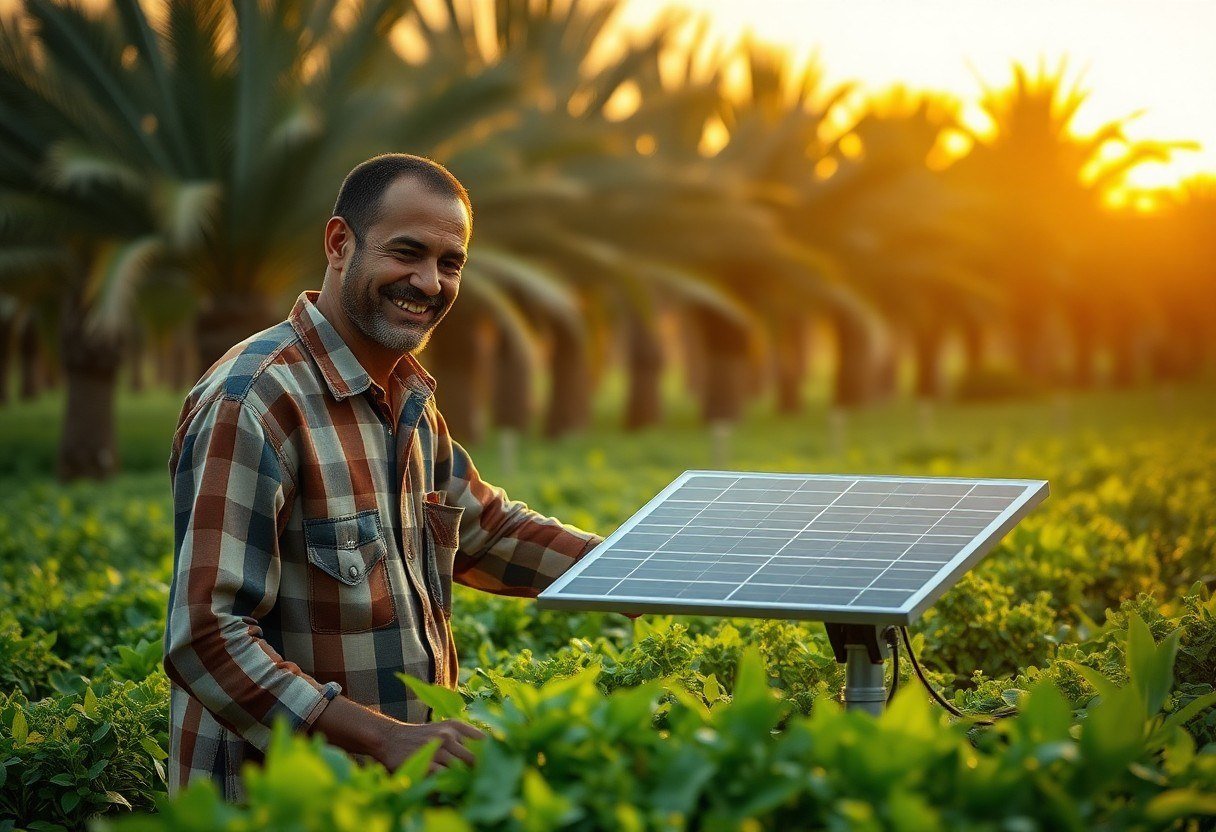
No, the entire system can run on a rechargeable 12V battery or a small 10-watt solar panel. This makes it suitable for use on balconies, rooftops, and even fields far from a power source.
Add an emergency condition in the code: if the moisture reading remains constant for more than 24 hours (indicating sensor failure), run irrigation for one minute daily as a backup. You can also add a small buzzer to alert you.

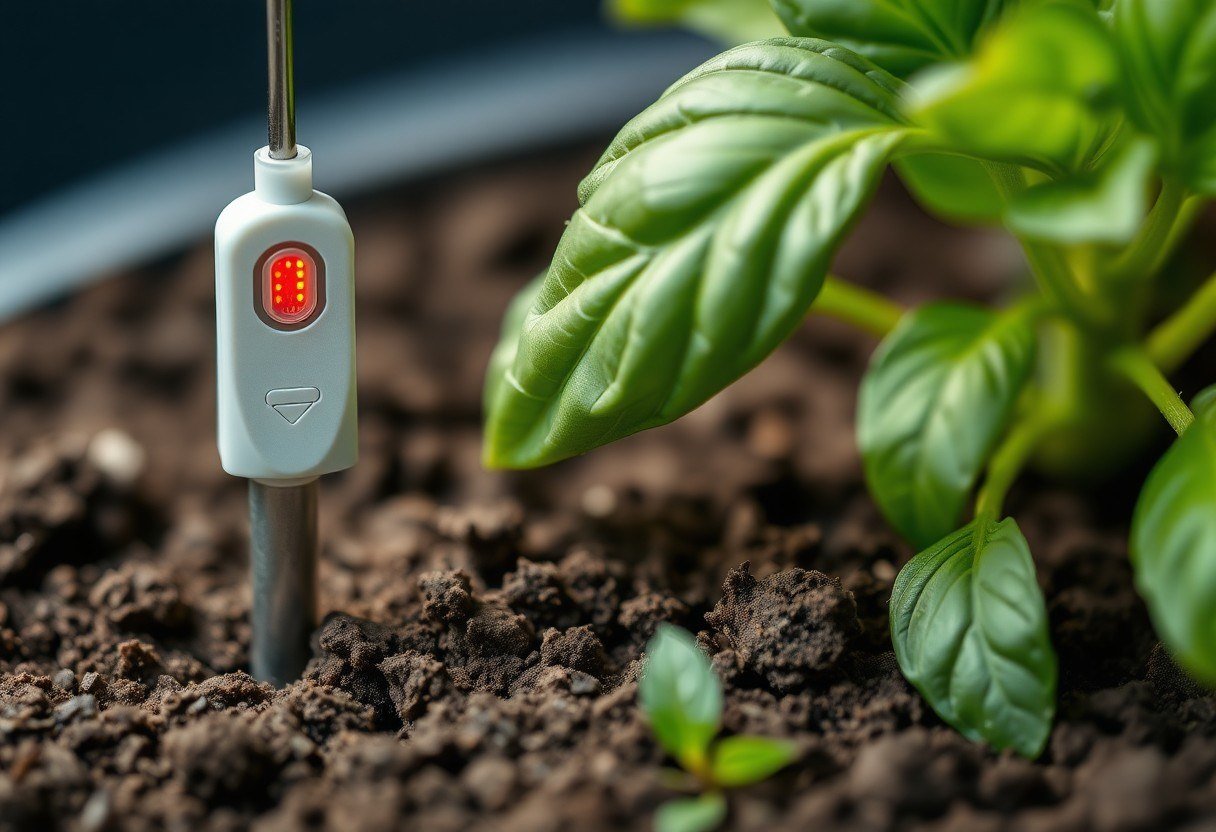
Smart irrigation is not a technical luxury but a practical necessity for anyone who wants strong plants and abundant harvests while saving water and effort. The problem isn't the amount of water you give, but its timing and precision. Using a soil moisture sensor and a microcontroller like the Arduino NANO RP2040 Connect Board with Headers, you can build a simple system that waters your plants only when they truly need it, protecting them from both drowning and drought. Start today with a small step: buy a moisture sensor and try measuring the soil in your favorite pot — you'll be amazed at what you discover.
Jun 26, 2026 by Anas Heaba