Jun 22, 2026 / By Anas Heaba / in Growing Guides
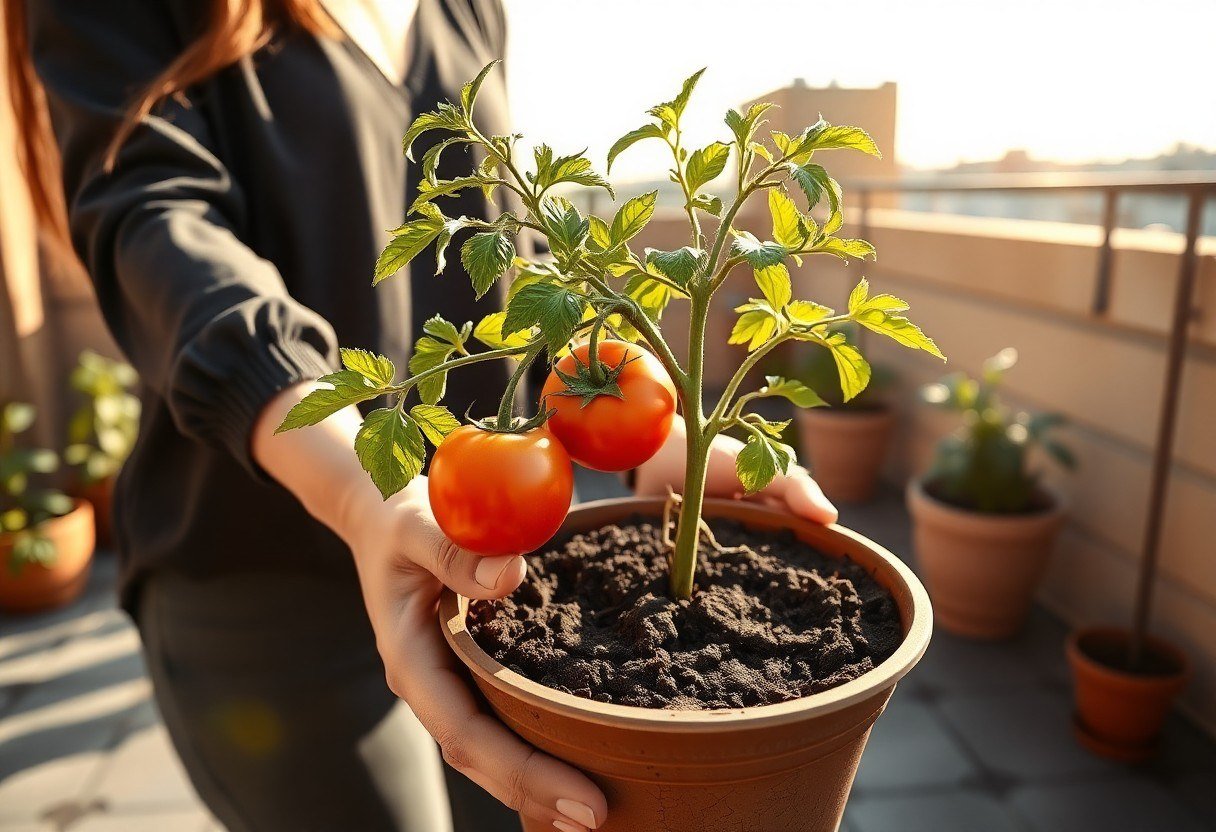
Imagine you bought a nice pepper seedling from the nursery, planted it in a pot on the rooftop, watered it with love, and after a week found it wilted and the soil hard as clay. Is the problem in your hands? Most of the time, no, the problem is in the soil you put the plant in. Regular soil from the ground or from a bag of heavy clay is not suitable for growing in pots on the rooftop, especially in our hot climate.
This matter is not a luxury; it is the foundation for the success of any rooftop garden in Egypt. If you want your plants to live and bear fruit instead of dying after two weeks, you must understand how to prepare light, well-draining soil that retains appropriate moisture. Today we will talk about ready-made mixes, how to make your own mix (DIY), and simple tests to ensure the soil is right.

In Egypt, the temperature on the rooftop can reach 60 degrees Celsius in summer, and regular soil (like clay or heavy agricultural soil) hardens and cracks, suffocating roots because it prevents air from entering. Also, water scarcity at home makes the need for soil that retains water longer a necessity, not a choice. Suitable soil reduces water consumption by 30-40% because it retains moisture better and needs less watering.
Cost also matters. If you buy poor-quality ready-made soil, you will have to buy new seedlings every month. But if you invest in a good soil mix once, it will last you for years and will significantly increase plant productivity. In the small spaces where we grow in pots, soil quality is the only factor you can control to compensate for the lack of space.
Regular soil (what we call soil) consists of very fine particles like clay and silt, and the spaces between the particles are very small. When you put it in a pot on the rooftop, rain or irrigation water compresses the particles together, so the spaces disappear, air doesn't enter, and water stands on top. The result: plant roots suffocate, harmful fungi and bacteria multiply, and the plant dies.
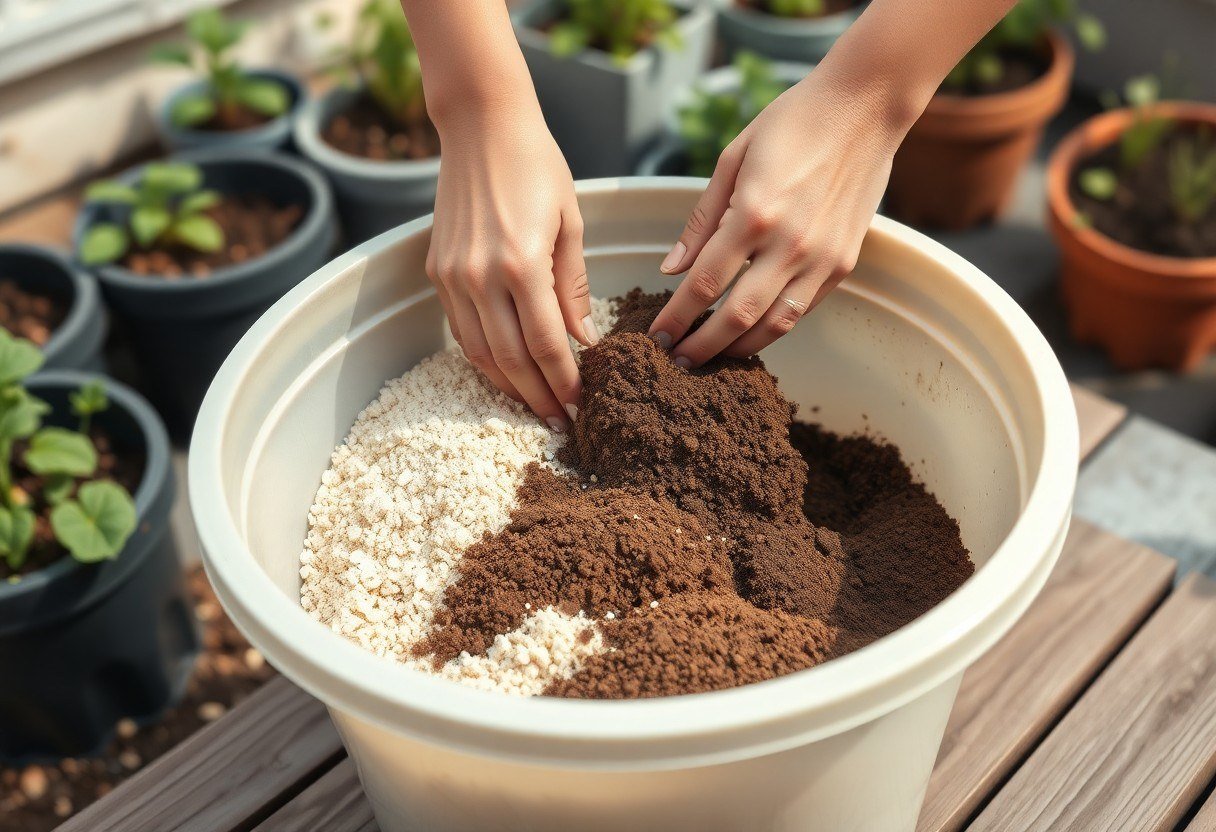
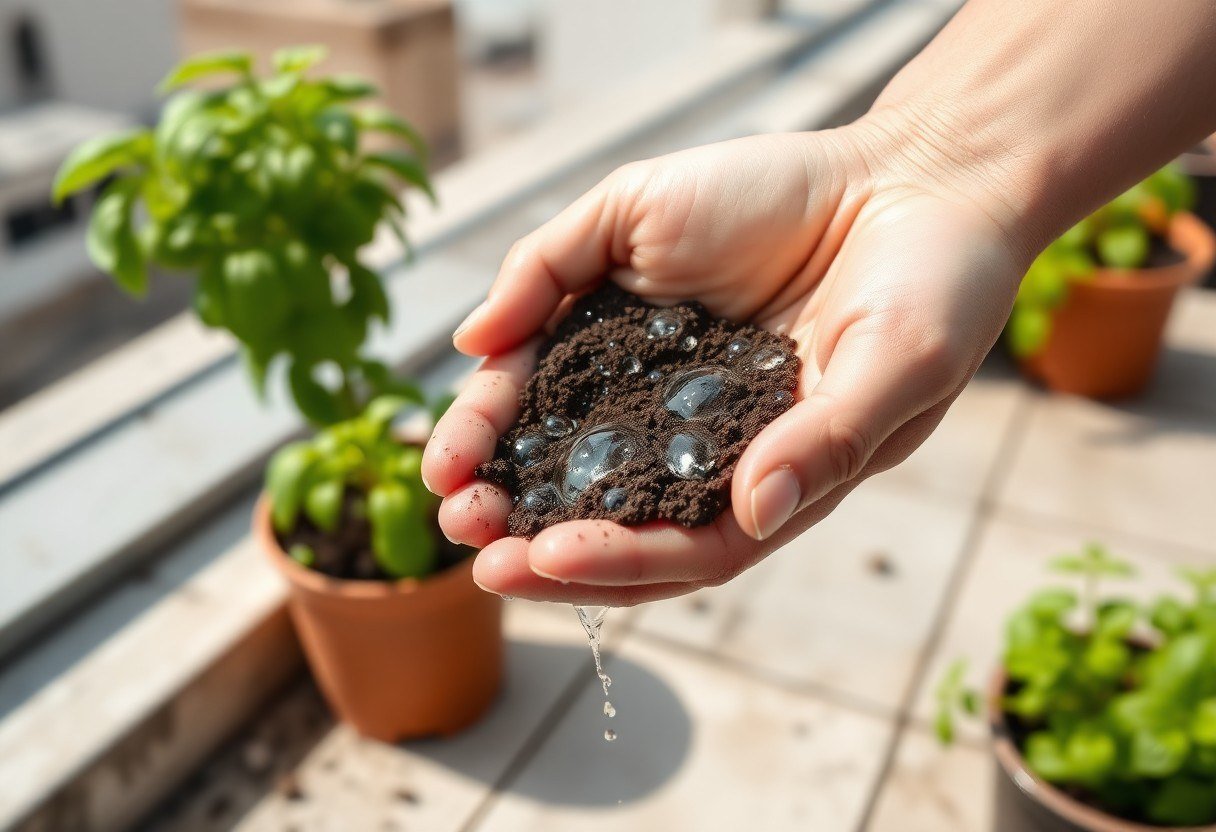
In contrast, the appropriate potting mix is not soil in the literal sense; it is a mixture of organic and mineral materials like perlite, vermiculite, peat moss, compost, and coco coir. These materials create large air spaces between particles, so water drains quickly, air reaches the roots, and roots can spread easily. The idea is that you want soil like a sponge: it retains enough water, but if you squeeze it with your hand, the water comes out easily.


You can, but you must sterilize and renew it. Remove the soil from the pot, sift it to remove old roots, add new compost at a 1:1 ratio, and spray it with a mild solution of hydrogen peroxide (3%) to kill fungi. After that, use it normally.
Peat moss is extracted from peat bogs, retains high moisture, and slightly acidifies the soil. Coco coir is extracted from coconut husks, retains slightly less moisture, maintains a neutral pH, and decomposes slower. Both are good, but coco coir is better in Egypt because it is cheaper and more sustainable.
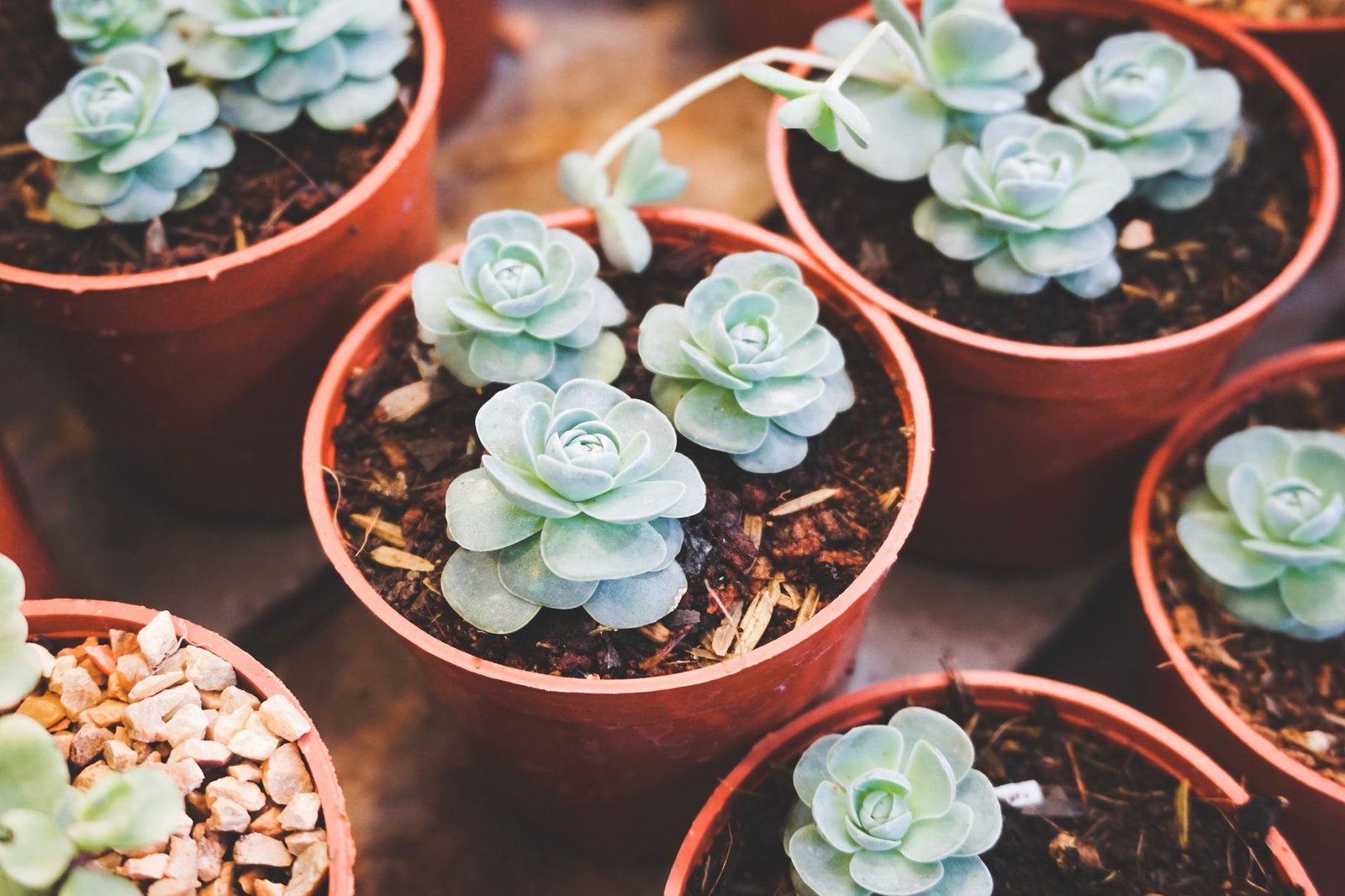
Yes. Succulents need soil that drains water very quickly. Make a mix: one part light potting soil, one part coarse sand (or perlite), and one part small gravel or broken pottery. And don't add too much compost.
It is forbidden to use fresh manure because it burns roots and attracts insects. The manure must be composted (fermented) for at least 6 months. It is better to buy ready-made compost from the nursery.

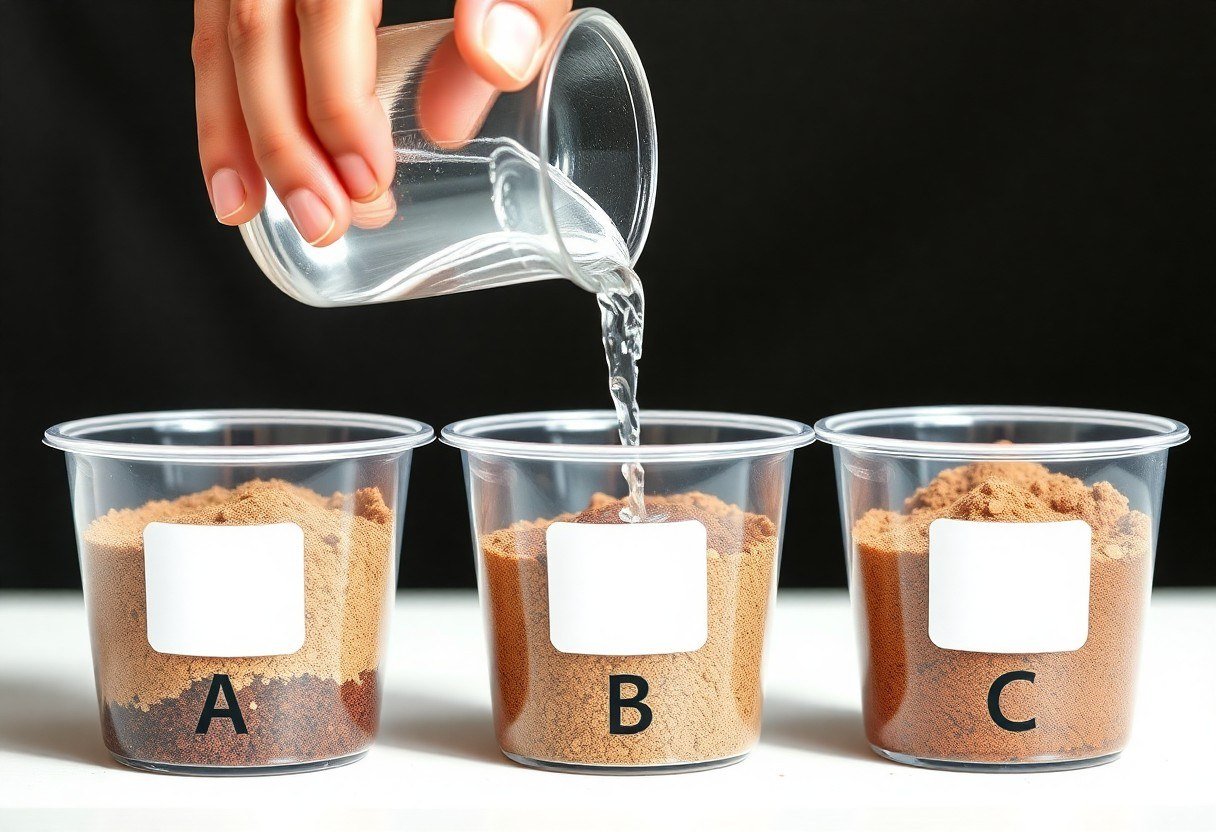
The right soil is not a luxury; it is the foundation of any successful rooftop garden in Egypt. By choosing a suitable mix (ready-made or DIY), applying simple tests like the squeeze test, and avoiding common mistakes like using street soil or builder's sand, you will save your money and effort and see your plants grow strong and bear fruit. Start today by preparing a soil mix for one pot, and experience the difference yourself. If you liked the content, follow the "Rooftop Gardens at Home" series every day, and we will continue with you step by step.
Jun 26, 2026 by Anas Heaba